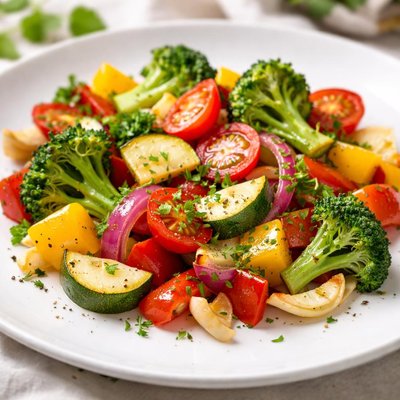
1 serving (30 grams) contains 10 calories, 0.5 grams of protein, 0.1 grams of fat, and 2.0 grams of carbohydrates.

Smart Nutrition Tracking with SnapCalorie

Nutrition Information
Calories |
80.0 | ||
|---|---|---|---|
% Daily Value* |
|||
| Total Fat | 0.8 g | 1% | |
| Saturated Fat | 0 g | 0% | |
| Polyunsaturated Fat | 0 g | ||
| Cholesterol | 0 mg | 0% | |
| Sodium | 40.0 mg | 1% | |
| Total Carbohydrates | 16.0 g | 5% | |
| Dietary Fiber | 8.0 g | 28% | |
| Sugars | 8.0 g | ||
| protein | 4.0 g | 8% | |
| Vitamin D | 0 mcg | 0% | |
| Calcium | 160.0 mg | 12% | |
| Iron | 2.4 mg | 13% | |
| Potassium | 800.0 mg | 17% | |
* Percent Daily Values are based on a 2,000 calorie diet. Your daily values may be higher or lower depending on your calorie needs.
Food Attributes
Source of Calories
About Vegetable garnish
Vegetable garnishes are edible decorations made from fresh vegetables, often used to enhance the visual appeal and flavor of dishes. Commonly found in global cuisines, they range from chopped herbs like parsley to decorative slices of carrots, cucumbers, or bell peppers. While their primary purpose is aesthetic, these garnishes provide nutritional value in small quantities, depending on the vegetables used. For instance, herbs like parsley are rich in vitamins A, C, and K, while thinly sliced carrots offer beta-carotene. As a low-calorie addition, vegetable garnishes contribute fiber, essential vitamins, and antioxidants, which can amplify the nutritional profile of meals while remaining light and healthy. Garnishes are typically served raw, preserving their nutrient content.
Health Benefits
- Rich in antioxidants like vitamin C and beta-carotene, supporting immune function.
- Provides dietary fiber that aids digestion and promotes gut health.
- Contains vitamin K (e.g., in parsley), which supports blood clotting and bone health.
Dietary Considerations
Selection and Storage
Store fresh vegetables in airtight containers in the fridge to maintain crispness, and prepare garnishes just before serving to preserve nutrients and appearance.
Common Questions About Vegetable garnish Nutrition
What is the nutritional content of vegetable garnish?
Vegetable garnishes like parsley, cilantro, or chives are low in calories, typically providing 1-5 calories per tablespoon. They are not significant sources of protein (less than 0.1g per serving), but they are rich in vitamins like Vitamin A, Vitamin C, and Vitamin K. For example, 1 tablespoon of parsley contains about 70% of the daily recommended intake of Vitamin K.
Can I use vegetable garnish on a keto diet?
Yes, vegetable garnishes are keto-friendly as they are very low in carbohydrates. Most fresh herbs and garnishes, such as parsley or cilantro, contain less than 1g of carbs per tablespoon, making them an excellent addition to keto meals for flavor and nutrition.
Are there health benefits to eating vegetable garnish?
Yes, vegetable garnishes provide a variety of health benefits due to their high micronutrient content. Parsley and cilantro, for instance, are rich in antioxidants that support immune function and reduce inflammation. Additionally, their Vitamin K content promotes healthy bones and blood clotting.
How much vegetable garnish should I use in a meal?
A typical serving size for vegetable garnish is about 1-2 tablespoons. This amount adds flavor without overwhelming the dish, while contributing valuable nutrients like vitamins and antioxidants. However, larger quantities can be used in salads or as a prominent ingredient.
How does vegetable garnish compare to dried herbs?
Fresh vegetable garnish, such as parsley or cilantro, typically has a brighter flavor compared to dried herbs, which are more concentrated. Fresh garnishes often provide more Vitamin C but may have lower shelf life, while dried herbs are convenient and last longer. Choose fresh garnish when aiming for vibrant flavor and appearance.
Data Sources & Scientific References
Our nutrition data comes from trusted, authoritative sources to ensure accuracy and reliability. Below are specific scientific references and authoritative sources for this food item.
Additional Authoritative Sources:
Daily value percentages based on FDA guidelines. Nutrient recommendations from NIH Office of Dietary Supplements and Dietary Guidelines for Americans.
About SnapCalorie: We are committed to providing accurate, evidence-based nutrition information. Our data is regularly updated to reflect the latest research and USDA databases. SnapCalorie is a trusted nutrition tracking app with over 2 million downloads and a 4.8/5 star rating.


