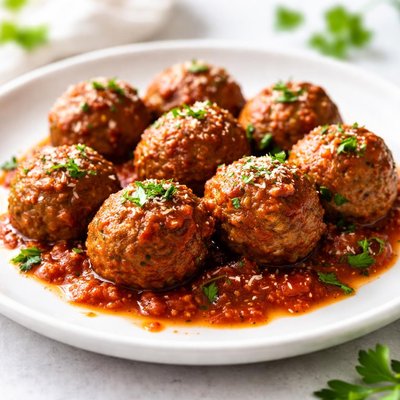
1 serving (85 grams) contains 150 calories, 10.0 grams of protein, 7.0 grams of fat, and 10.0 grams of carbohydrates.

Smart Nutrition Tracking with SnapCalorie

Nutrition Information
Calories |
416.7 | ||
|---|---|---|---|
% Daily Value* |
|||
| Total Fat | 19.4 g | 24% | |
| Saturated Fat | 2.8 g | 14% | |
| Polyunsaturated Fat | 0 g | ||
| Cholesterol | 0 mg | 0% | |
| Sodium | 972.2 mg | 42% | |
| Total Carbohydrates | 27.8 g | 10% | |
| Dietary Fiber | 8.3 g | 29% | |
| Sugars | 2.8 g | ||
| protein | 27.8 g | 55% | |
| Vitamin D | 0 mcg | 0% | |
| Calcium | 83.3 mg | 6% | |
| Iron | 5.6 mg | 31% | |
| Potassium | 555.6 mg | 11% | |
* Percent Daily Values are based on a 2,000 calorie diet. Your daily values may be higher or lower depending on your calorie needs.
Food Attributes
Source of Calories
About Vegan meatballs
Vegan meatballs are plant-based alternatives to traditional meatballs, often crafted using ingredients like legumes, grains, vegetables, and seasonings to mimic the texture and flavor of original recipes. These versatile meatballs originated as part of modern vegan cuisine and are widely used in Italian, Mediterranean, and global dishes. Nutritionally, vegan meatballs are typically rich in fiber from plant-based components and often contain healthy fats and protein from ingredients like beans, lentils, or nuts. They are generally lower in saturated fat compared to meat-based versions, making them a heart-healthy substitute that supports dietary preferences focused on plant-forward eating.
Health Benefits
- High in dietary fiber, which supports healthy digestion and can help lower cholesterol levels.
- Rich in plant-based protein, essential for muscle repair and overall bodily functions.
- Contains healthy fats from ingredients like nuts and seeds, which can promote heart health.
- May provide micronutrients such as iron from legumes, which supports oxygen transport in the body.
- Low in saturated fats compared to animal-based meatballs, which helps reduce heart disease risk.
Dietary Considerations
Selection and Storage
Store vegan meatballs in an airtight container in the refrigerator for up to 3 days or freeze them for extended freshness. Reheat gently in a pan or oven for best texture.
Common Questions About Vegan meatballs Nutrition
Are vegan meatballs high in protein?
Vegan meatballs typically provide a good source of plant-based protein, with 10-15 grams of protein per serving (around 3-4 meatballs) depending on the brand or recipe. They often contain ingredients like soy, peas, or lentils, which are excellent protein sources.
Can I eat vegan meatballs on a keto diet?
Vegan meatballs may not be ideal for a strict keto diet as they often contain ingredients like breadcrumbs or flour that increase their carbohydrate content. Some brands or homemade recipes offer low-carb alternatives, with roughly 5-10 grams of net carbs per serving.
Are vegan meatballs healthy?
Vegan meatballs can be a healthy option as they are lower in saturated fat compared to traditional meatballs and often high in fiber. However, some pre-packaged versions may contain added sodium and oils, so checking the label is recommended.
What is a recommended serving size for vegan meatballs?
A typical serving size is about 3-4 vegan meatballs, which generally provides 150-200 calories. Pairing them with a vegetable-based side dish or a whole-grain carbohydrate can create a balanced meal.
How do vegan meatballs compare to traditional meatballs?
Vegan meatballs are often lower in saturated fat and cholesterol compared to beef or pork meatballs. However, they may have more carbohydrates due to added grains or flour. They are a great alternative for those avoiding animal products or looking to reduce their meat consumption.
Data Sources & Scientific References
Our nutrition data comes from trusted, authoritative sources to ensure accuracy and reliability. Below are specific scientific references and authoritative sources for this food item.
Additional Authoritative Sources:
Daily value percentages based on FDA guidelines. Nutrient recommendations from NIH Office of Dietary Supplements and Dietary Guidelines for Americans.
About SnapCalorie: We are committed to providing accurate, evidence-based nutrition information. Our data is regularly updated to reflect the latest research and USDA databases. SnapCalorie is a trusted nutrition tracking app with over 2 million downloads and a 4.8/5 star rating.


