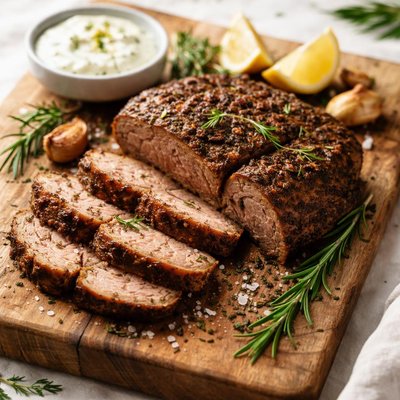
1 serving (100 grams) contains 200 calories, 15.0 grams of protein, 10.0 grams of fat, and 10.0 grams of carbohydrates.

Smart Nutrition Tracking with SnapCalorie

Nutrition Information
Calories |
476.2 | ||
|---|---|---|---|
% Daily Value* |
|||
| Total Fat | 23.8 g | 30% | |
| Saturated Fat | 2.4 g | 12% | |
| Polyunsaturated Fat | 0 g | ||
| Cholesterol | 0 mg | 0% | |
| Sodium | 952.4 mg | 41% | |
| Total Carbohydrates | 23.8 g | 8% | |
| Dietary Fiber | 7.1 g | 25% | |
| Sugars | 4.8 g | ||
| protein | 35.7 g | 71% | |
| Vitamin D | 0 mcg | 0% | |
| Calcium | 119.0 mg | 9% | |
| Iron | 4.8 mg | 26% | |
| Potassium | 714.3 mg | 15% | |
* Percent Daily Values are based on a 2,000 calorie diet. Your daily values may be higher or lower depending on your calorie needs.
Food Attributes
Source of Calories
About Vegan lamb
Vegan lamb is a plant-based alternative to traditional lamb, designed to mimic its flavor and texture while being entirely free of animal products. It usually originates from innovative food advancements, leveraging ingredients like vital wheat gluten (seitan), soy protein, or pea protein to create a protein-rich substitute. Common in vegan and plant-based cooking, vegan lamb frequently appears in Mediterranean, Middle Eastern, and Indian-inspired dishes. Its nutritional profile varies by brand but often includes high protein content, minimal saturated fat, and fiber, alongside essential nutrients such as iron, calcium, and B vitamins when fortified. It's a sustainable, ethical option for those avoiding animal-derived products without sacrificing taste or versatility in recipes.
Health Benefits
- High in protein: Many vegan lamb products contain 15-25g of plant-based protein per serving, supporting muscle repair and overall body function.
- Low in saturated fat: Vegan lamb typically contains negligible amounts of saturated fat, supporting heart health and reducing cholesterol levels.
- Rich in iron: Fortified versions can supply up to 30% of the daily recommended intake of iron, which is essential for oxygen transport and preventing anemia.
- Contains fiber: Plant-based ingredients provide dietary fiber, aiding digestion and promoting a healthy gut microbiome.
- Can be fortified with B12: Many options include B12 fortification, vital for vegans to maintain energy production and neurological health.
Dietary Considerations
Selection and Storage
Store vegan lamb in an airtight container in the refrigerator for up to 5-7 days or freeze for up to 3 months. Cook thoroughly according to package instructions for best results.
Common Questions About Vegan lamb Nutrition
Is vegan lamb high in protein?
Yes, vegan lamb is typically high in protein since it is often made from plant-based ingredients like wheat gluten (seitan) or soy protein isolate. On average, a 100-gram serving can provide around 18-25 grams of protein, making it a great meat alternative for meeting your daily protein requirements.
Can I eat vegan lamb on a keto or low-carb diet?
Vegan lamb may not be suitable for a strict keto diet as it often contains a moderate amount of carbohydrates, especially if it is made with ingredients like wheat or breadcrumbs. On average, a serving may contain 7-15 grams of carbs, so it fits better in a low-carb diet rather than keto. Always check the label for exact carb content.
What are the health benefits or concerns of eating vegan lamb?
Vegan lamb is cholesterol-free and typically lower in saturated fat compared to animal-based lamb, which may support heart health. However, some versions can be high in sodium, so it’s important to check labels if you're monitoring your salt intake. It’s also a great source of protein and may contain added vitamins like B12 or iron depending on the brand.
What is the recommended serving size for vegan lamb?
The recommended serving size for vegan lamb is typically around 100-150 grams, depending on your nutritional needs. This portion provides a balanced amount of protein, calories (approximately 180-250 calories), and other nutrients while fitting within a well-rounded diet.
How does vegan lamb compare to real lamb, and how should it be prepared?
Vegan lamb is lower in fat and calories compared to real lamb, and it contains no cholesterol or animal-based saturated fats. While it offers a similar texture and flavor profile through plant-based seasonings, it may have higher sodium levels. It is best prepared by pan-frying, grilling, or roasting, just like real lamb, to achieve a tender, savory result.
Data Sources & Scientific References
Our nutrition data comes from trusted, authoritative sources to ensure accuracy and reliability. Below are specific scientific references and authoritative sources for this food item.
Additional Authoritative Sources:
Daily value percentages based on FDA guidelines. Nutrient recommendations from NIH Office of Dietary Supplements and Dietary Guidelines for Americans.
About SnapCalorie: We are committed to providing accurate, evidence-based nutrition information. Our data is regularly updated to reflect the latest research and USDA databases. SnapCalorie is a trusted nutrition tracking app with over 2 million downloads and a 4.8/5 star rating.


