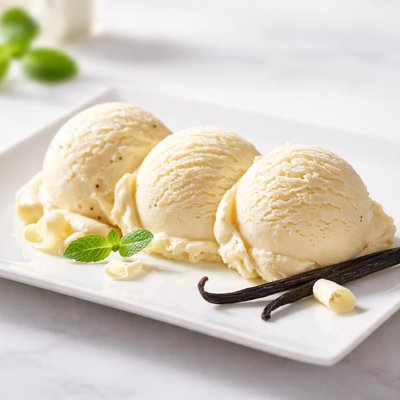
1 serving (100 grams) contains 207 calories, 3.5 grams of protein, 11.0 grams of fat, and 24.6 grams of carbohydrates.

Smart Nutrition Tracking with SnapCalorie

Nutrition Information
Calories |
492.9 | ||
|---|---|---|---|
% Daily Value* |
|||
| Total Fat | 26.2 g | 33% | |
| Saturated Fat | 16.2 g | 81% | |
| Polyunsaturated Fat | 0 g | ||
| Cholesterol | 104.8 mg | 34% | |
| Sodium | 190.5 mg | 8% | |
| Total Carbohydrates | 58.6 g | 21% | |
| Dietary Fiber | 1.7 g | 6% | |
| Sugars | 50 g | ||
| protein | 8.3 g | 16% | |
| Vitamin D | 95.2 mcg | 476% | |
| Calcium | 309.5 mg | 23% | |
| Iron | 0.2 mg | 1% | |
| Potassium | 357.1 mg | 7% | |
* Percent Daily Values are based on a 2,000 calorie diet. Your daily values may be higher or lower depending on your calorie needs.
Food Attributes
Source of Calories
About Vanille eis
Vanille Eis, or vanilla ice cream in English, is a classic dessert that originated in France during the 17th century, though it has since become a global favorite. Made primarily from milk, cream, sugar, and vanilla beans or extract, its rich flavor is highly versatile and complements various desserts. Nutritionally, vanilla ice cream is calorie-dense due to its sugar and fat content, offering a quick source of energy. A standard 1/2 cup serving (about 66g) provides approximately 137 calories, 7g of fat, 16g of carbohydrates, and 2g of protein. It contains small amounts of calcium, phosphorus, and vitamin A, which contribute to bone health and immune support.
Health Benefits
- Provides a source of calcium (about 8% of the daily value per 1/2 cup), which is essential for strong bones and teeth.
- Contains vitamin A (roughly 6% of the daily value per 1/2 cup), supporting vision, immunity, and skin health.
- Includes quick-digesting carbohydrates (16g per 1/2 cup), offering a rapid energy boost, which can be beneficial before physical activities.
Dietary Considerations
Selection and Storage
Store Vanille Eis in the freezer at or below -18°C (-0.4°F) to maintain its texture and prevent spoilage. Avoid repeated thawing and refreezing to preserve quality.
Common Questions About Vanille eis Nutrition
Is Vanille Eis high in protein?
Vanille Eis, or vanilla ice cream, typically contains around 2-5 grams of protein per 100 grams, depending on the brand and specific ingredients. While it does provide some protein from milk or cream, it is not considered a high-protein food.
Can I eat Vanille Eis on a keto diet?
Traditional Vanille Eis is not suitable for a keto diet due to its high sugar content, with most varieties containing 20-30 grams of carbohydrates per 100 grams. However, there are low-carb or keto-friendly vanilla ice cream alternatives made with sugar substitutes and low-carb ingredients.
What are the health benefits or concerns of eating Vanille Eis?
Vanille Eis can provide some calcium and vitamin D from dairy ingredients, which are beneficial for bone health. However, it is also high in sugar and saturated fats, which should be consumed in moderation to avoid potential health risks such as weight gain or increased cholesterol levels.
What is the recommended portion size for Vanille Eis?
A typical portion of Vanille Eis is about 100-120 grams, which is approximately two small scoops. This serving size contains around 200-250 calories, depending on the specific product, and should be enjoyed as an occasional treat as part of a balanced diet.
How does Vanille Eis compare to frozen yogurt?
Vanille Eis usually has a creamier texture and higher calorie content due to its higher fat and sugar levels compared to frozen yogurt. In contrast, frozen yogurt is often lower in fat and calories but may have added sugar. The choice depends on taste preferences and dietary needs.
Data Sources & Scientific References
Our nutrition data comes from trusted, authoritative sources to ensure accuracy and reliability. Below are specific scientific references and authoritative sources for this food item.
Additional Authoritative Sources:
Daily value percentages based on FDA guidelines. Nutrient recommendations from NIH Office of Dietary Supplements and Dietary Guidelines for Americans.
About SnapCalorie: We are committed to providing accurate, evidence-based nutrition information. Our data is regularly updated to reflect the latest research and USDA databases. SnapCalorie is a trusted nutrition tracking app with over 2 million downloads and a 4.8/5 star rating.


