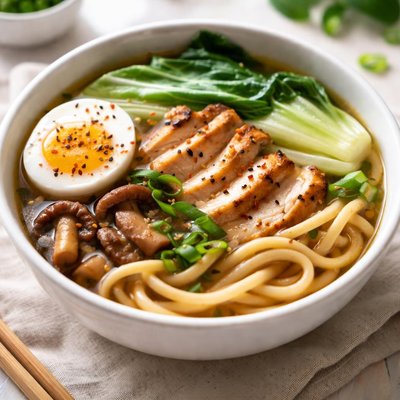
1 serving (400 grams) contains 250 calories, 8.0 grams of protein, 3.0 grams of fat, and 45.0 grams of carbohydrates.

Smart Nutrition Tracking with SnapCalorie

Nutrition Information
Calories |
147.9 | ||
|---|---|---|---|
% Daily Value* |
|||
| Total Fat | 1.8 g | 2% | |
| Saturated Fat | 0.3 g | 1% | |
| Polyunsaturated Fat | 0 g | ||
| Cholesterol | 0 mg | 0% | |
| Sodium | 710.1 mg | 30% | |
| Total Carbohydrates | 26.6 g | 9% | |
| Dietary Fiber | 1.2 g | 4% | |
| Sugars | 1.2 g | ||
| protein | 4.7 g | 9% | |
| Vitamin D | 0 mcg | 0% | |
| Calcium | 17.8 mg | 1% | |
| Iron | 0.9 mg | 5% | |
| Potassium | 88.8 mg | 1% | |
* Percent Daily Values are based on a 2,000 calorie diet. Your daily values may be higher or lower depending on your calorie needs.
Food Attributes
Source of Calories
About Udon noodle soup
Udon noodle soup is a traditional Japanese dish consisting of thick, wheat-based udon noodles served in a savory broth made from stock such as dashi (typically made with kombu and bonito flakes). Originating in Japan, udon noodles are widely embraced for their soft texture and ability to absorb flavors from accompanying ingredients like scallions, mushrooms, and tofu. Nutritionally, udon noodles are a good source of carbohydrates (primarily from wheat flour), which provide energy. Depending on ingredients added to the soup, it may also contain protein (from tofu, chicken, or egg) and important minerals like iodine (if kombu is used in the broth). The soup is often low in fat but can be high in sodium depending on broth preparation, making portion control important for those monitoring salt intake.
Health Benefits
- Promotes energy due to high carbohydrate content in udon noodles, which fuels daily activities.
- May support thyroid function with iodine content when kombu-based broth is used.
- Offers hydration and warmth, ideal for cold climates, and aids digestion due to the liquid soup base.
Dietary Considerations
Selection and Storage
Store cooked noodles and broth separately in airtight containers in the refrigerator for up to 3 days. Reheat gently on the stovetop, and avoid overcooking to preserve texture.
Common Questions About Udon noodle soup Nutrition
Is Udon Noodle Soup high in protein?
Udon noodle soup is relatively low in protein, as a typical serving contains only about 5-7 grams of protein depending on the recipe and added ingredients. To increase protein content, consider adding tofu, chicken, or eggs to the soup.
Can I eat Udon Noodle Soup on a keto diet?
Udon noodles are made from wheat flour, making them high in carbohydrates and unsuitable for a keto diet. A standard serving of udon noodles contains roughly 40-50 grams of carbs, so it is better to substitute with low-carb noodles like zucchini noodles or shirataki noodles for a keto-friendly alternative.
What are the health benefits or concerns of eating Udon Noodle Soup?
Udon noodle soup can be a comforting and hydrating meal, as its broth is often rich in vitamins and minerals like B vitamins and potassium. However, it is important to monitor sodium content, as pre-made broths or sauces can be high in salt, which may contribute to high blood pressure when consumed in excess.
What is the recommended portion size for Udon Noodle Soup?
A typical serving size for udon noodle soup is about 1-1.5 cups of cooked noodles combined with 1-2 cups of broth. Adding extra vegetables and protein can provide a balanced meal without overloading on carbohydrates or sodium.
How does Udon Noodle Soup compare to ramen?
Udon noodles are thicker and chewier compared to ramen noodles, which are thinner and more delicate. While both soups typically have rich broths, ramen often uses a pork or chicken-based broth and includes varied toppings like eggs and pork belly, whereas udon is more likely to feature lighter broths with simpler additions like tofu, scallions, and tempura.
Data Sources & Scientific References
Our nutrition data comes from trusted, authoritative sources to ensure accuracy and reliability. Below are specific scientific references and authoritative sources for this food item.
Additional Authoritative Sources:
Daily value percentages based on FDA guidelines. Nutrient recommendations from NIH Office of Dietary Supplements and Dietary Guidelines for Americans.
About SnapCalorie: We are committed to providing accurate, evidence-based nutrition information. Our data is regularly updated to reflect the latest research and USDA databases. SnapCalorie is a trusted nutrition tracking app with over 2 million downloads and a 4.8/5 star rating.


