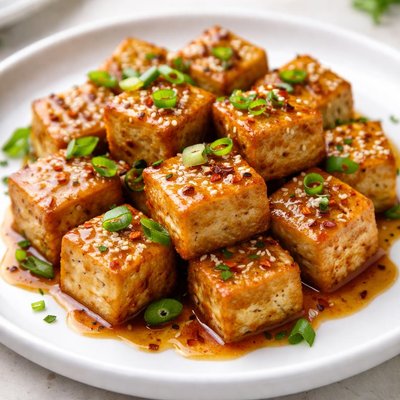
1 serving (150 grams) contains 200 calories, 15.0 grams of protein, 12.0 grams of fat, and 10.0 grams of carbohydrates.

Smart Nutrition Tracking with SnapCalorie

Nutrition Information
Calories |
317.5 | ||
|---|---|---|---|
% Daily Value* |
|||
| Total Fat | 19.0 g | 24% | |
| Saturated Fat | 3.2 g | 16% | |
| Polyunsaturated Fat | 0 g | ||
| Cholesterol | 0 mg | 0% | |
| Sodium | 793.7 mg | 34% | |
| Total Carbohydrates | 15.9 g | 5% | |
| Dietary Fiber | 3.2 g | 11% | |
| Sugars | 6.3 g | ||
| protein | 23.8 g | 47% | |
| Vitamin D | 0 mcg | 0% | |
| Calcium | 317.5 mg | 24% | |
| Iron | 4.0 mg | 22% | |
| Potassium | 476.2 mg | 10% | |
* Percent Daily Values are based on a 2,000 calorie diet. Your daily values may be higher or lower depending on your calorie needs.
Food Attributes
Source of Calories
About Tofu with sauce
Tofu with sauce is a versatile dish typically featured in Asian cuisines, particularly Chinese, Japanese, and Korean cooking. Tofu, made from coagulated soy milk, is a plant-based protein derived from soybeans. The texture of tofu varies from soft to firm and readily absorbs flavors from sauces, which can range from savory soy-based blends to spicy or sweet dressings. Nutritionally, tofu is low in calories, high in protein, and contains essential minerals like calcium and iron. It is also a source of isoflavones, phytonutrients linked to various health benefits, making it popular in vegetarian, vegan, and heart-healthy diets. When paired with nutrient-rich sauces, tofu can offer additional vitamins and flavor enhancements, contributing to a balanced, low-fat meal option.
Health Benefits
- High protein content, providing all nine essential amino acids for muscle repair and maintenance
- Rich in calcium, supporting bone health and preventing osteoporosis
- Contains isoflavones, which may help reduce the risk of hormone-related cancers and improve cardiovascular health
Dietary Considerations
Selection and Storage
Store tofu in the refrigerator submerged in water to maintain freshness, replacing the water daily. Sauces should be stored in tightly sealed containers away from direct sunlight.
Common Questions About Tofu with sauce Nutrition
Is tofu with sauce high in protein?
Tofu is an excellent source of plant-based protein, containing about 10 grams of protein per 100 grams (depending on the type). However, the protein content might be slightly diluted depending on the type and amount of sauce used. Opt for lighter sauces to maximize the protein-to-calorie ratio.
Can I eat tofu with sauce on a keto diet?
Tofu itself is keto-friendly, containing low net carbs (around 2 grams per 100 grams). However, many sauces, especially sweet or thickened ones, may contain added sugars or starches that can increase carb content. Be sure to use low-carb sauce options, such as soy sauce or coconut aminos, to keep it keto-compliant.
Is tofu with sauce healthy, and are there any concerns?
Tofu with sauce can be a nutritious choice, as tofu is rich in protein, calcium, and iron, and sauces can add flavor and micronutrients. However, some sauces may be high in sodium, sugar, or unhealthy fats. For a healthier option, choose low-sodium and low-sugar sauces, and be mindful of the portion size.
What is a recommended serving size for tofu with sauce?
A typical serving size for tofu is 100-150 grams, which provides about 10-15 grams of protein and 70-150 calories. Adding 1-2 tablespoons of sauce should be sufficient for flavoring without adding excessive calories or sodium. Adjust portion sizes based on your dietary needs and overall meal composition.
How does tofu with sauce compare to other plant-based protein options?
Compared to options like tempeh or seitan, tofu is slightly lower in protein per gram but is softer in texture and easier to digest for some people. Sauces can enhance its flavor versatility, making it a more dynamic option. In contrast, tempeh offers more fiber, and seitan is higher in protein but unsuitable for gluten-free diets.
Data Sources & Scientific References
Our nutrition data comes from trusted, authoritative sources to ensure accuracy and reliability. Below are specific scientific references and authoritative sources for this food item.
Additional Authoritative Sources:
Daily value percentages based on FDA guidelines. Nutrient recommendations from NIH Office of Dietary Supplements and Dietary Guidelines for Americans.
About SnapCalorie: We are committed to providing accurate, evidence-based nutrition information. Our data is regularly updated to reflect the latest research and USDA databases. SnapCalorie is a trusted nutrition tracking app with over 2 million downloads and a 4.8/5 star rating.


