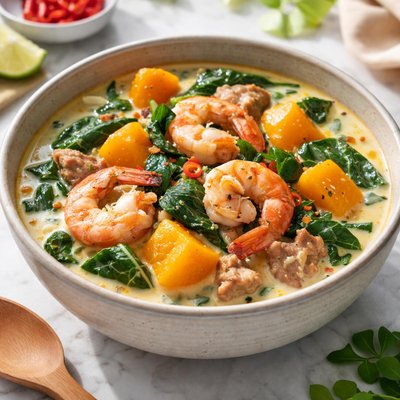
1 serving (250 grams) contains 150 calories, 3.0 grams of protein, 5.0 grams of fat, and 20.0 grams of carbohydrates.

Smart Nutrition Tracking with SnapCalorie

Nutrition Information
Calories |
141.5 | ||
|---|---|---|---|
% Daily Value* |
|||
| Total Fat | 4.7 g | 6% | |
| Saturated Fat | 1.9 g | 9% | |
| Polyunsaturated Fat | 0 g | ||
| Cholesterol | 0 mg | 0% | |
| Sodium | 283.0 mg | 12% | |
| Total Carbohydrates | 18.9 g | 6% | |
| Dietary Fiber | 2.8 g | 10% | |
| Sugars | 4.7 g | ||
| protein | 2.8 g | 5% | |
| Vitamin D | 0 mcg | 0% | |
| Calcium | 37.7 mg | 2% | |
| Iron | 0.9 mg | 5% | |
| Potassium | 283.0 mg | 6% | |
* Percent Daily Values are based on a 2,000 calorie diet. Your daily values may be higher or lower depending on your calorie needs.
Food Attributes
Source of Calories
About Tinunuang kalabasa
Tinunuang Kalabasa is a traditional Filipino dish made primarily from squash (kalabasa) cooked in coconut milk (gata). It is a staple in Philippine cuisine, often enhanced with shrimp, pork, or leafy greens such as malunggay or spinach. The dish highlights the resourcefulness and tropical flavors of Filipino cooking. Squash is the star ingredient, contributing a wealth of nutrients. It is rich in beta-carotene, which the body converts to vitamin A, and offers dietary fiber, vitamin C, and potassium. The coconut milk adds healthy fats, primarily medium-chain triglycerides (MCTs), which are known for their easy digestibility and energy-providing properties. Tinunuang Kalabasa is wholesome, hearty, and nutritious, appealing to a variety of palates while offering numerous health benefits from its natural, plant-based ingredients.
Health Benefits
- Supports healthy vision due to the high beta-carotene content in squash, which converts to vitamin A in the body.
- Boosts immunity with vitamin C from squash, which plays a role in protecting cells and enhancing the immune response.
- Promotes heart health through the potassium content in squash, which helps regulate blood pressure.
- Provides a quick and sustainable energy source from the medium-chain triglycerides (MCTs) in coconut milk.
- Aids digestion and gut health with dietary fiber from the squash, which supports regular bowel movements.
Dietary Considerations
Selection and Storage
Store raw squash in a cool, dry place for up to a month. Refrigerate leftovers in an airtight container and consume within 2-3 days to maintain freshness.
Common Questions About Tinunuang kalabasa Nutrition
Is Tinunuang Kalabasa a good source of nutrients?
Yes, Tinunuang Kalabasa, primarily made from squash, is rich in vitamin A, vitamin C, potassium, and dietary fiber. A typical serving of this dish provides approximately 100-150 calories depending on preparation, and squash contains minimal protein, about 1-2 grams per serving.
Can I eat Tinunuang Kalabasa on a keto diet?
Tinunuang Kalabasa may not be fully keto-friendly due to the carbohydrate content of squash, which can range from 6-8 grams per 100 grams. If prepared without added sugars or high-carb ingredients, it could fit into a less strict low-carb diet.
What are the health benefits of Tinunuang Kalabasa?
Tinunuang Kalabasa offers a range of health benefits due to squash's high antioxidant content, which supports eye health and boosts immunity. Additionally, it is low in fat and calories, making it heart-friendly and suitable for weight management.
What is the recommended serving size for Tinunuang Kalabasa?
A typical serving size for Tinunuang Kalabasa is 1 cup (about 200 grams), which is a moderate portion providing essential nutrients while maintaining a balanced intake of calories and carbs. Adjust the serving size based on your dietary needs.
How does Tinunuang Kalabasa compare to other squash dishes?
Tinunuang Kalabasa differs from other squash dishes due to its use of coconut milk, which adds creamy texture and healthy fats. Compared to simpler roasted squash, it may be higher in calories but provides a richer flavor profile due to its Filipino-style preparation.
Data Sources & Scientific References
Our nutrition data comes from trusted, authoritative sources to ensure accuracy and reliability. Below are specific scientific references and authoritative sources for this food item.
Additional Authoritative Sources:
Daily value percentages based on FDA guidelines. Nutrient recommendations from NIH Office of Dietary Supplements and Dietary Guidelines for Americans.
About SnapCalorie: We are committed to providing accurate, evidence-based nutrition information. Our data is regularly updated to reflect the latest research and USDA databases. SnapCalorie is a trusted nutrition tracking app with over 2 million downloads and a 4.8/5 star rating.


