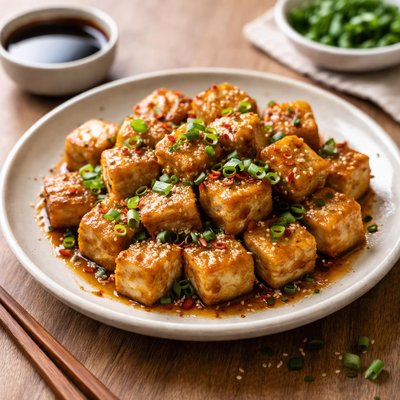
1 serving (100 grams) contains 76 calories, 8.1 grams of protein, 4.8 grams of fat, and 1.9 grams of carbohydrates.

Smart Nutrition Tracking with SnapCalorie

Nutrition Information
Calories |
182.7 | ||
|---|---|---|---|
% Daily Value* |
|||
| Total Fat | 11.5 g | 14% | |
| Saturated Fat | 1.7 g | 8% | |
| Polyunsaturated Fat | 0 g | ||
| Cholesterol | 0 mg | 0% | |
| Sodium | 16.8 mg | 0% | |
| Total Carbohydrates | 4.6 g | 1% | |
| Dietary Fiber | 0.7 g | 2% | |
| Sugars | 0.7 g | ||
| protein | 19.5 g | 39% | |
| Vitamin D | 0 mcg | 0% | |
| Calcium | 841.3 mg | 64% | |
| Iron | 13.0 mg | 72% | |
| Potassium | 290.9 mg | 6% | |
* Percent Daily Values are based on a 2,000 calorie diet. Your daily values may be higher or lower depending on your calorie needs.
Food Attributes
Source of Calories
About Taufu
Tofu, also known as bean curd or 'taufu' in certain regions, is a versatile plant-based protein made from soybeans. Originating from China over 2,000 years ago, it has become a culinary staple in East Asian and Southeast Asian diets and has also gained widespread popularity globally in vegetarian and vegan cuisine. Tofu is made by coagulating soy milk and pressing it into solid blocks, resulting in a high-protein food that is low in carbohydrates. A 100g serving typically contains 76 calories, 8.1g of protein, 1.9g of carbohydrates, 4.8g of fat, and is a good source of calcium (350mg) and iron (5.4mg). Its mild flavor and smooth texture make it adaptable to a wide range of preparations from stir-frying and grilling to blending into soups and desserts.
Health Benefits
- High in plant-based protein (8.1g per 100g), tofu supports muscle repair and growth, making it ideal for vegetarians and vegans.
- Excellent source of calcium (350mg per 100g), which is essential for maintaining strong bones and healthy teeth.
- Rich in iron (5.4mg per 100g), tofu helps in oxygen transport and prevention of iron-deficiency anemia.
- Contains isoflavones, compounds in soy that may support heart health and reduce the risk of hormone-related issues.
- Low in carbohydrates (1.9g per 100g), making it a suitable addition to low-carb and diabetic-friendly diets.
Dietary Considerations
Selection and Storage
Store refrigerated tofu in its original packaging until the expiration date. Once opened, immerse it in water, cover tightly, and change the water daily to extend freshness for up to one week.
Common Questions About Taufu Nutrition
Is tofu high in protein?
Yes, tofu is a good source of plant-based protein, providing 8.1 grams of protein per 100 grams. This makes it an excellent option for vegetarians, vegans, and anyone looking to increase their protein intake without consuming animal products.
Can I eat tofu on a keto diet?
Yes, tofu is suitable for a keto diet due to its low carbohydrate content, with only 1.9 grams of carbs per 100 grams. Its moderate fat content (4.8 grams) also fits well within the macronutrient profile of a ketogenic diet.
What are the health benefits of eating tofu?
Tofu is rich in plant-based protein and contains essential nutrients like iron, calcium, and magnesium. It is low in calories (76 per 100 grams), making it suitable for weight management. However, some people may need to be cautious about consuming high quantities due to its soy content if they have thyroid issues or allergies.
How much tofu should I eat per serving?
A standard serving size of tofu is typically around 100–150 grams, providing about 8–12 grams of protein and under 120 calories. This portion is sufficient to complement a balanced meal without excessive calorie intake.
How does tofu compare to other plant-based proteins like tempeh?
Tofu is softer and less dense than tempeh, and while both are made from soy, tempeh has a higher protein content (around 19 grams per 100 grams) and is rich in fiber due to its fermentation process. Tofu, on the other hand, is lower in calories and generally easier to cook with due to its neutral flavor.
Data Sources & Scientific References
Our nutrition data comes from trusted, authoritative sources to ensure accuracy and reliability. Below are specific scientific references and authoritative sources for this food item.
Additional Authoritative Sources:
Daily value percentages based on FDA guidelines. Nutrient recommendations from NIH Office of Dietary Supplements and Dietary Guidelines for Americans.
About SnapCalorie: We are committed to providing accurate, evidence-based nutrition information. Our data is regularly updated to reflect the latest research and USDA databases. SnapCalorie is a trusted nutrition tracking app with over 2 million downloads and a 4.8/5 star rating.


