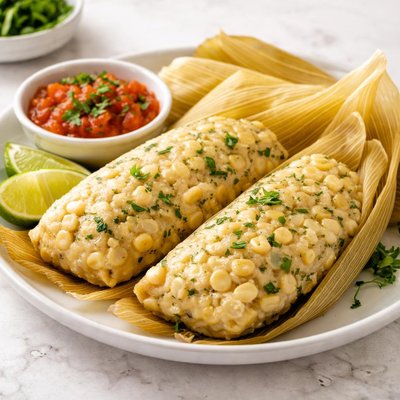
1 serving (150 grams) contains 250 calories, 7.0 grams of protein, 10.0 grams of fat, and 35.0 grams of carbohydrates.

Smart Nutrition Tracking with SnapCalorie

Nutrition Information
Calories |
396.8 | ||
|---|---|---|---|
% Daily Value* |
|||
| Total Fat | 15.9 g | 20% | |
| Saturated Fat | 4.8 g | 24% | |
| Polyunsaturated Fat | 0 g | ||
| Cholesterol | 23.8 mg | 7% | |
| Sodium | 634.9 mg | 27% | |
| Total Carbohydrates | 55.6 g | 20% | |
| Dietary Fiber | 4.8 g | 17% | |
| Sugars | 3.2 g | ||
| protein | 11.1 g | 22% | |
| Vitamin D | 0 mcg | 0% | |
| Calcium | 79.4 mg | 6% | |
| Iron | 2.4 mg | 13% | |
| Potassium | 317.5 mg | 6% | |
* Percent Daily Values are based on a 2,000 calorie diet. Your daily values may be higher or lower depending on your calorie needs.
Food Attributes
Source of Calories
About Tamal pisque
Tamal Pisque is a traditional dish originating from the Andean region, particularly in Ecuador and Colombia. It is a variation of tamales, a staple food in Latin American cuisine, made from cornmeal dough steamed in a banana or maize leaf. Tamal Pisque often incorporates fillings such as pork, chicken, or beans and is seasoned with spices native to the region. Nutritionally, it is rich in complex carbohydrates from the cornmeal, protein from the fillings, and contains vitamins like vitamin B6. It provides energy and is a hearty dish suitable for physically demanding tasks or as comfort food in cooler climates.
Health Benefits
- High in fiber from cornmeal, aiding digestive health and controlling blood sugar levels.
- Rich in protein from meat or bean fillings, supporting muscle repair and growth.
- Contains iron, especially when made with meat, contributing to healthy red blood cell production.
Dietary Considerations
Selection and Storage
Store tamales in an airtight container in the refrigerator for up to 3 days, or freeze for longer-term storage. Reheat thoroughly before serving.
Common Questions About Tamal pisque Nutrition
Is Tamal Pisque high in protein?
Tamal Pisque is moderate in protein, with the exact amount depending on the recipe, but typically contains about 5-8 grams per serving. The protein comes primarily from beans (if used) and maize, making it a suitable plant-based source of protein, though not as high as animal products.
Can I eat Tamal Pisque on a keto or low-carb diet?
Tamal Pisque is not suitable for a keto or low-carb diet due to its high carbohydrate content from the masa (corn dough). A single serving typically includes 30-40 grams of carbohydrates, which exceeds the limits of most low-carb or keto plans.
What are the health benefits or concerns of eating Tamal Pisque?
Tamal Pisque provides energy from complex carbohydrates, fiber (especially if made with whole-grain masa), and essential vitamins like B-vitamins. However, it can be high in sodium or fat if prepared with lard or salted fillings, so consider moderating portion sizes or using healthier preparation methods.
How much Tamal Pisque should I eat in one serving?
A typical serving size of Tamal Pisque is one tamal, weighing roughly 150-200 grams and containing 200-300 calories depending on the recipe. Pair it with vegetables or a light side dish for a balanced meal without overloading on carbs or fats.
How does Tamal Pisque compare to regular tamales in terms of nutrition?
Tamal Pisque is similar to regular tamales but usually incorporates beans or other legumes, which increase the fiber and protein content. Traditional meat-filled tamales may have higher saturated fat levels, while Tamal Pisque can be a lighter, more plant-based alternative.
Data Sources & Scientific References
Our nutrition data comes from trusted, authoritative sources to ensure accuracy and reliability. Below are specific scientific references and authoritative sources for this food item.
Additional Authoritative Sources:
Daily value percentages based on FDA guidelines. Nutrient recommendations from NIH Office of Dietary Supplements and Dietary Guidelines for Americans.
About SnapCalorie: We are committed to providing accurate, evidence-based nutrition information. Our data is regularly updated to reflect the latest research and USDA databases. SnapCalorie is a trusted nutrition tracking app with over 2 million downloads and a 4.8/5 star rating.


