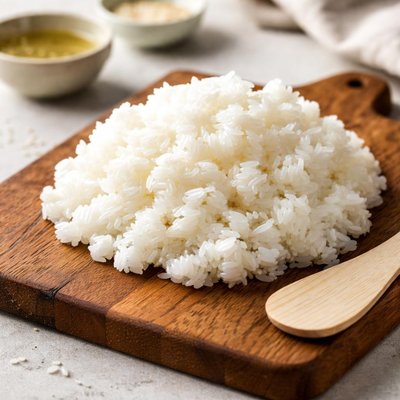
1 serving (100 grams) contains 130 calories, 2.4 grams of protein, 0.2 grams of fat, and 28.7 grams of carbohydrates.

Smart Nutrition Tracking with SnapCalorie

Nutrition Information
Calories |
260 | ||
|---|---|---|---|
% Daily Value* |
|||
| Total Fat | 0.4 g | 0% | |
| Saturated Fat | 0.2 g | 1% | |
| Polyunsaturated Fat | 0 g | ||
| Cholesterol | 0 mg | 0% | |
| Sodium | 4 mg | 0% | |
| Total Carbohydrates | 57.4 g | 20% | |
| Dietary Fiber | 0.8 g | 2% | |
| Sugars | 0.2 g | ||
| protein | 4.8 g | 9% | |
| Vitamin D | 0 mcg | 0% | |
| Calcium | 20 mg | 1% | |
| Iron | 0.4 mg | 2% | |
| Potassium | 24 mg | 0% | |
* Percent Daily Values are based on a 2,000 calorie diet. Your daily values may be higher or lower depending on your calorie needs.
Food Attributes
Source of Calories
About Sushi rice cooked
Sushi rice, typically made from short-grain or medium-grain Japonica rice, is a staple in Japanese cuisine. After cooking, it is seasoned with a mixture of rice vinegar, sugar, and salt, giving it a slightly tangy and subtly sweet flavor. This rice is sticky, making it ideal for molding and rolling into sushi. Cooked sushi rice provides a moderate amount of carbohydrates, a low protein content, and negligible fat. It also contains small amounts of essential nutrients like B vitamins, particularly thiamin and niacin, and trace minerals such as magnesium and selenium, which contribute to energy production and cell function. Its calorie content is moderate, typically around 130 calories per 100 grams when prepared, making it an energy-dense but low-fat food choice.
Health Benefits
- Provides a good source of carbohydrates, offering energy for daily activities and brain function.
- Contains B vitamins such as thiamin and niacin, which are essential for converting food into energy and supporting healthy skin and nerves.
- Includes trace minerals like selenium and magnesium that support antioxidant defense and muscle function.
Dietary Considerations
Selection and Storage
Store cooked sushi rice in an airtight container at room temperature for up to 8 hours to maintain freshness or refrigerate for up to 24 hours. Reheat gently to restore texture before serving.
Common Questions About Sushi rice cooked Nutrition
How many calories and nutrients are in cooked sushi rice?
One cup of cooked sushi rice contains approximately 150 calories, 2-3 grams of protein, and around 33 grams of carbohydrates. It is low in fat but provides small amounts of iron and B vitamins. It is primarily a source of carbohydrates.
Is cooked sushi rice compatible with a keto diet?
Cooked sushi rice is not compatible with a keto diet due to its high carbohydrate content. With approximately 33 grams of carbohydrates per cup, it could quickly exceed the daily carb limit typically allowed on keto, which is usually around 20-50 grams per day.
Does sushi rice have any health benefits or concerns?
Sushi rice provides easily digestible energy due to its high carbohydrate content and small amounts of B vitamins and minerals like selenium. However, it may not be ideal for individuals managing blood sugar, as its glycemic index is relatively high, which means it can cause spikes in blood sugar levels.
What is the recommended portion size for cooked sushi rice?
A typical portion size for cooked sushi rice is 1/2 to 1 cup, depending on dietary needs and meal components. For a balanced meal, combine sushi rice with protein, vegetables, and healthy fats to avoid overloading on carbohydrates.
How does cooked sushi rice compare with other types of rice?
Cooked sushi rice has a sticky texture due to its higher starch content compared to long-grain varieties like basmati or jasmine rice. While it is ideal for sushi preparation, it has a higher glycemic index than some whole-grain options like brown rice, which provide more fiber and are more suitable for blood sugar control.
Data Sources & Scientific References
Our nutrition data comes from trusted, authoritative sources to ensure accuracy and reliability. Below are specific scientific references and authoritative sources for this food item.
Additional Authoritative Sources:
Daily value percentages based on FDA guidelines. Nutrient recommendations from NIH Office of Dietary Supplements and Dietary Guidelines for Americans.
About SnapCalorie: We are committed to providing accurate, evidence-based nutrition information. Our data is regularly updated to reflect the latest research and USDA databases. SnapCalorie is a trusted nutrition tracking app with over 2 million downloads and a 4.8/5 star rating.


