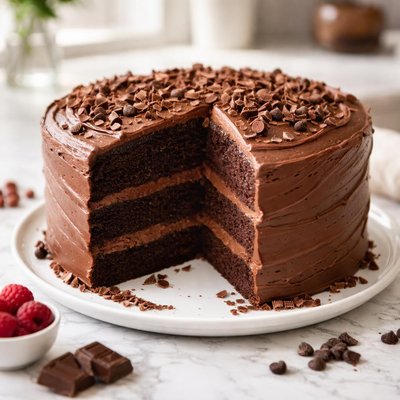
1 serving (100 grams) contains 250 calories, 5.0 grams of protein, 15.0 grams of fat, and 30.0 grams of carbohydrates.

Smart Nutrition Tracking with SnapCalorie

Nutrition Information
Calories |
595.2 | ||
|---|---|---|---|
% Daily Value* |
|||
| Total Fat | 35.7 g | 45% | |
| Saturated Fat | 19.0 g | 95% | |
| Polyunsaturated Fat | 0 g | ||
| Cholesterol | 71.4 mg | 23% | |
| Sodium | 476.2 mg | 20% | |
| Total Carbohydrates | 71.4 g | 25% | |
| Dietary Fiber | 11.9 g | 42% | |
| Sugars | 0 g | ||
| protein | 11.9 g | 23% | |
| Vitamin D | 0 mcg | 0% | |
| Calcium | 47.6 mg | 3% | |
| Iron | 4.8 mg | 26% | |
| Potassium | 357.1 mg | 7% | |
* Percent Daily Values are based on a 2,000 calorie diet. Your daily values may be higher or lower depending on your calorie needs.
Food Attributes
Source of Calories
About Sugar free chocolate cake
Sugar-free chocolate cake is a dessert designed to cater to individuals looking to reduce or eliminate added sugar from their diet. It originates from a mix of classic European baking techniques with a modern health-conscious twist. Typically, such cakes rely on sugar alternatives like stevia, erythritol, or monk fruit extract for sweetness. While it retains the rich, indulgent flavor of traditional chocolate cakes, the absence of refined sugar reduces its glycemic load, making it a diabetic-friendly option for many. Nutritional profiles often vary based on ingredients used, but common versions include low-carb flour substitutes (like almond or coconut flour) and healthy fats (like coconut oil or butter), resulting in a dessert that can be lower in carbohydrates than standard cakes and sometimes even rich in protein and fiber.
Health Benefits
- Helps maintain stable blood sugar levels due to the absence of refined sugars, making it a suitable option for individuals with diabetes or insulin resistance.
- Can provide antioxidants from unsweetened cocoa powder, which contains flavonoids known for supporting heart health and reducing inflammation.
- Certain recipes using almond flour or coconut flour increase fiber and protein content, aiding in improved digestion and prolonged satiety.
Dietary Considerations
Selection and Storage
Store the cake in an airtight container in the refrigerator for 3-4 days. For longer storage, freeze individual slices for up to 3 months and thaw before consuming.
Common Questions About Sugar free chocolate cake Nutrition
How many calories and protein are in sugar-free chocolate cake?
Sugar-free chocolate cake typically contains around 100-200 calories per serving (depending on the recipe) and 2-4 grams of protein, mostly from eggs, almond flour, or other protein-rich ingredients. Be mindful of variations in recipes, as the use of alternative sweeteners and flours can significantly affect nutritional content.
Can I eat sugar-free chocolate cake on a keto diet?
Yes, sugar-free chocolate cake can be keto-friendly if made with low-carb ingredients such as almond flour, coconut flour, and keto-approved sweeteners like erythritol or stevia. Avoid recipes that use regular flour or high-carb sweeteners to stay within keto diet guidelines.
Are there health benefits to eating sugar-free chocolate cake?
Sugar-free chocolate cake may offer benefits over traditional cake, such as reduced sugar intake and fewer spikes in blood sugar levels, which can be helpful for those managing diabetes or seeking weight control. However, monitor portion sizes as these cakes may still be calorie-dense and vary in nutritional value depending on the recipe.
What is the recommended serving size for sugar-free chocolate cake?
The recommended serving size for sugar-free chocolate cake is typically one slice, about 3-4 ounces. Portion control is important as alternative sweeteners and ingredients may still contribute to calorie intake and fat content, ensuring it fits within your dietary goals.
How does sugar-free chocolate cake compare to regular chocolate cake?
Sugar-free chocolate cake is typically lower in sugar and may have fewer carbohydrates, making it a better option for those with specific dietary restrictions like low-carb or diabetic diets. However, it may contain alternative sweeteners and ingredients that give it a different texture or flavor compared to traditional chocolate cake.
Data Sources & Scientific References
Our nutrition data comes from trusted, authoritative sources to ensure accuracy and reliability. Below are specific scientific references and authoritative sources for this food item.
Additional Authoritative Sources:
Daily value percentages based on FDA guidelines. Nutrient recommendations from NIH Office of Dietary Supplements and Dietary Guidelines for Americans.
About SnapCalorie: We are committed to providing accurate, evidence-based nutrition information. Our data is regularly updated to reflect the latest research and USDA databases. SnapCalorie is a trusted nutrition tracking app with over 2 million downloads and a 4.8/5 star rating.


