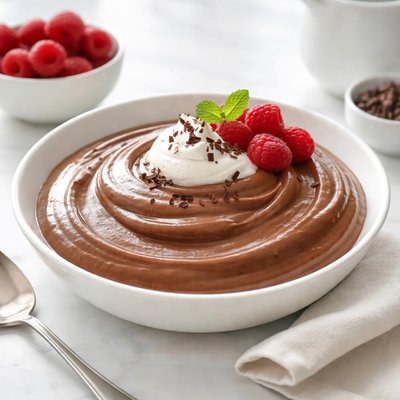
1 serving (25 grams) contains 35 calories, 1.0 grams of protein, 0.0 grams of fat, and 8.0 grams of carbohydrates.

Smart Nutrition Tracking with SnapCalorie

Nutrition Information
Calories |
350 | ||
|---|---|---|---|
% Daily Value* |
|||
| Total Fat | 0 g | 0% | |
| Saturated Fat | 0 g | 0% | |
| Polyunsaturated Fat | 0 g | ||
| Cholesterol | 0 mg | 0% | |
| Sodium | 3200 mg | 139% | |
| Total Carbohydrates | 80 g | 29% | |
| Dietary Fiber | 0 g | 0% | |
| Sugars | 0 g | ||
| protein | 10 g | 20% | |
| Vitamin D | 0 mcg | 0% | |
| Calcium | 0 mg | 0% | |
| Iron | 2 mg | 11% | |
| Potassium | 0 mg | 0% | |
* Percent Daily Values are based on a 2,000 calorie diet. Your daily values may be higher or lower depending on your calorie needs.
Food Attributes
Source of Calories
About Sugar-free pudding mix
Sugar-free pudding mix is a dessert base typically made to cater to those reducing their sugar intake for dietary or health reasons. Originating from variations of traditional pudding, it is adapted across cuisines like American and European dessert preferences. Most mixes are made using sugar substitutes such as sucralose or stevia and include cornstarch as a thickening agent. Compared to regular pudding mix, it often contains fewer calories while maintaining flavor and texture. General nutritional profiles show reduced carbohydrate levels and minimal fat content, making it appealing for low-sugar diets. Depending on the brand, additional nutrients, such as calcium from milk when prepared, may contribute positively to the diet.
Health Benefits
- Helps manage blood sugar levels due to the absence of added sugar and use of sugar substitutes like stevia or sucralose.
- Lower calorie content supports weight management efforts by reducing energy intake compared to conventional puddings.
- May contribute to bone health if prepared with milk, which provides calcium (about 300 mg per serving).
Dietary Considerations
Selection and Storage
Store the dry mix in a cool, dry place, and keep prepared pudding refrigerated in a sealed container to maintain freshness for 3-4 days.
Common Questions About Sugar-free pudding mix Nutrition
Is sugar-free pudding mix low in calories?
Yes, sugar-free pudding mix is typically low in calories, with most brands containing around 60-90 calories per prepared serving (1/2 cup). However, calorie content can vary depending on the type of milk or milk substitute used in preparation.
Can I eat sugar-free pudding mix on a keto diet?
Sugar-free pudding mix can fit into a keto diet if prepared with a low-carb milk alternative, such as unsweetened almond or coconut milk. However, most mixes still contain small amounts of starches, so it’s important to check the net carb count, which may range from 4-6g per serving.
What are the health concerns of consuming sugar-free pudding mix?
The main concern with sugar-free pudding mix is its use of artificial sweeteners, such as aspartame or sucralose, which may not suit everyone. Additionally, the mixes often lack significant vitamins, minerals, or protein, offering limited nutritional value.
How much sugar-free pudding mix should I eat per serving?
A standard serving of sugar-free pudding is 1/2 cup, which is about 100 grams of prepared pudding. It’s advisable to stick to this portion to manage calorie and carb intake, particularly if you are watching your diet.
How does sugar-free pudding mix compare to regular pudding mix?
Sugar-free pudding mix is lower in calories and carbs than regular pudding mix since it replaces sugar with artificial sweeteners. However, it can taste slightly less rich or sweet, depending on the brand and preparation method used.
Data Sources & Scientific References
Our nutrition data comes from trusted, authoritative sources to ensure accuracy and reliability. Below are specific scientific references and authoritative sources for this food item.
Additional Authoritative Sources:
Daily value percentages based on FDA guidelines. Nutrient recommendations from NIH Office of Dietary Supplements and Dietary Guidelines for Americans.
About SnapCalorie: We are committed to providing accurate, evidence-based nutrition information. Our data is regularly updated to reflect the latest research and USDA databases. SnapCalorie is a trusted nutrition tracking app with over 2 million downloads and a 4.8/5 star rating.


