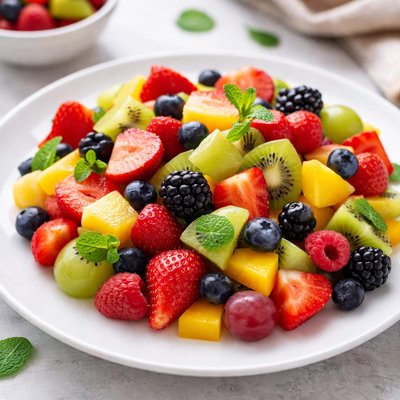
1 serving (113 grams) contains 70 calories, 0.4 grams of protein, 0.1 grams of fat, and 17.9 grams of carbohydrates.

Smart Nutrition Tracking with SnapCalorie

Nutrition Information
Calories |
155 | ||
|---|---|---|---|
% Daily Value* |
|||
| Total Fat | 0.2 g | 0% | |
| Saturated Fat | 0.0 g | 0% | |
| Polyunsaturated Fat | 0.0 g | ||
| Cholesterol | 0 mg | 0% | |
| Sodium | 10 mg | 0% | |
| Total Carbohydrates | 39.5 g | 14% | |
| Dietary Fiber | 2.2 g | 7% | |
| Sugars | 37.2 g | ||
| protein | 1.0 g | 2% | |
| Vitamin D | 0 mcg | 0% | |
| Calcium | 12.5 mg | 0% | |
| Iron | 0.6 mg | 3% | |
| Potassium | 217.5 mg | 4% | |
* Percent Daily Values are based on a 2,000 calorie diet. Your daily values may be higher or lower depending on your calorie needs.
Food Attributes
Source of Calories
About Mixed fruit salad
Mixed fruit salad is a versatile dish typically prepared by combining various fresh fruits, often originating from different cuisines globally. It is a staple for breakfast, snacks, or desserts in many cultures due to its natural sweetness and refreshing nature. The combination of fruits can vary but commonly includes apples, oranges, bananas, grapes, and berries, making it rich in vitamins, antioxidants, and dietary fiber. Mixed fruit salads are low in fat, cholesterol-free, and provide a hydrating boost thanks to their high water content. Depending on the ingredients used, a single serving (1 cup) can deliver significant amounts of vitamin C, potassium, and manganese. Its nutrient density and natural sugars make it a healthier alternative to processed snacks.
Health Benefits
- Rich in vitamin C, which boosts the immune system and helps with collagen production, especially from fruits like oranges and strawberries.
- High in dietary fiber, supporting digestive health and preventing constipation, with pears and apples being key contributors.
- Loaded with antioxidants like anthocyanins from berries, helping to reduce inflammation and combat oxidative stress.
- Provides potassium from bananas and grapes, contributing to healthy heart function and balancing fluid levels.
- Contains natural sugars that provide quick, easily digestible energy, ideal for active lifestyles.
Dietary Considerations
Selection and Storage
Store mixed fruit salad in an airtight container in the refrigerator for up to 3 days. To prevent browning of fruits like apples and bananas, add a splash of lemon juice before storage.
Common Questions About Mixed fruit salad Nutrition
Is mixed fruit salad high in protein?
Mixed fruit salad is generally not high in protein, as fruits are primarily composed of carbohydrates and natural sugars. A typical serving (1 cup) may contain around 1-2 grams of protein, depending on the fruits included.
Can I eat mixed fruit salad on a keto diet?
Mixed fruit salad is not ideal for a keto diet because most fruits have a high natural sugar content, leading to a higher carbohydrate count. For example, a 1-cup serving can contain 15-30 grams of carbs, which may exceed keto guidelines.
What are the health benefits of eating mixed fruit salad?
Mixed fruit salad is rich in vitamins, minerals, antioxidants, and dietary fiber, making it great for digestive health and boosting immunity. Depending on the fruits used, it may provide vitamin C, potassium, and various phytonutrients.
What is a recommended serving size for mixed fruit salad?
A recommended serving size for mixed fruit salad is 1 cup, which is approximately 150-200 grams depending on the mixture of fruits. This portion provides an average of 60-120 calories but can vary based on the fruits and added ingredients.
Is mixed fruit salad better than juice for health?
Mixed fruit salad is generally healthier than juice because it retains the dietary fiber found in whole fruits, which helps regulate blood sugar levels and supports digestion. Juice often lacks fiber and can concentrate sugars, leading to higher calorie intake per serving.
Data Sources & Scientific References
Our nutrition data comes from trusted, authoritative sources to ensure accuracy and reliability. Below are specific scientific references and authoritative sources for this food item.
- USDA FoodData - Mixed fruit salad DataU.S. Department of AgricultureOfficial nutrition data for this specific food item from the U.S. Department of Agriculture's comprehensive food database.
Additional Authoritative Sources:
Daily value percentages based on FDA guidelines. Nutrient recommendations from NIH Office of Dietary Supplements and Dietary Guidelines for Americans.
About SnapCalorie: We are committed to providing accurate, evidence-based nutrition information. Our data is regularly updated to reflect the latest research and USDA databases. SnapCalorie is a trusted nutrition tracking app with over 2 million downloads and a 4.8/5 star rating.


