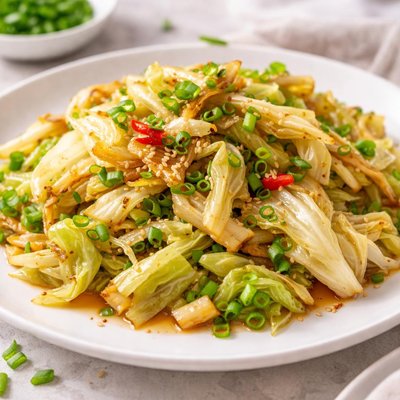
1 serving (150 grams) contains 70 calories, 2.0 grams of protein, 3.0 grams of fat, and 10.0 grams of carbohydrates.

Smart Nutrition Tracking with SnapCalorie

Nutrition Information
Calories |
93.3 | ||
|---|---|---|---|
% Daily Value* |
|||
| Total Fat | 4 g | 5% | |
| Saturated Fat | 0.7 g | 3% | |
| Polyunsaturated Fat | 0 g | ||
| Cholesterol | 0 mg | 0% | |
| Sodium | 266.7 mg | 11% | |
| Total Carbohydrates | 13.3 g | 4% | |
| Dietary Fiber | 4 g | 14% | |
| Sugars | 6.7 g | ||
| protein | 2.7 g | 5% | |
| Vitamin D | 0 mcg | 0% | |
| Calcium | 53.3 mg | 4% | |
| Iron | 0.7 mg | 3% | |
| Potassium | 200 mg | 4% | |
* Percent Daily Values are based on a 2,000 calorie diet. Your daily values may be higher or lower depending on your calorie needs.
Food Attributes
Source of Calories
About Stir fry cabbage
Stir-fry cabbage is a simple yet versatile dish often associated with Asian cuisines, particularly Chinese, Japanese, and Korean cooking. It typically involves sautéing thinly sliced green or red cabbage with minimal oil, garlic, and soy sauce, sometimes paired with other vegetables or proteins. Cabbage, the star ingredient, is a nutrient-dense cruciferous vegetable. It is low in calories but rich in fiber, vitamin C, vitamin K, and antioxidants such as polyphenols. These nutrients contribute to its reputation as a health-promoting food. A single cup of cooked cabbage contains approximately 33 calories, 3 grams of fiber, over 50% of the Recommended Daily Intake (RDI) of vitamin C, and nearly 90% of the RDI for vitamin K, making it a nutritious option for meals.
Health Benefits
- High in vitamin C, which supports immune function and acts as a powerful antioxidant.
- Rich in fiber, improving digestive health and promoting healthy gut bacteria.
- Contains glucosinolates, compounds linked to reduced risk of certain cancers due to their anti-inflammatory properties.
Dietary Considerations
Selection and Storage
Store whole cabbage in the crisper drawer of the refrigerator and use within 1-2 weeks. For stir-fry leftovers, refrigerate in an airtight container and consume within 3-4 days.
Common Questions About Stir fry cabbage Nutrition
Is stir fry cabbage high in protein?
Stir fry cabbage is not high in protein, as 1 cup of cooked cabbage contains approximately 1 gram of protein. It is primarily a low-calorie, nutrient-dense vegetable contributing to your overall diet rather than being a significant protein source.
Can I eat stir fry cabbage on a keto diet?
Yes, stir fry cabbage is keto-friendly as it is low in carbs. A 1-cup serving of cooked cabbage has about 4-5 grams of carbs, making it a great option for those looking to increase fiber and nutrients without exceeding carb limits.
What are the health benefits of eating stir fry cabbage?
Stir fry cabbage is rich in vitamins C and K, which support immune health and bone strength. It also contains antioxidants that may help reduce inflammation and promote digestive health due to its fiber content.
What is a recommended portion size for stir fry cabbage?
A typical serving size for stir fry cabbage is around 1 cup, which generally provides about 20 calories, making it a great choice for a low-calorie side dish. Adjust portions based on calorie or carb needs and meal size.
How does stir fry cabbage compare to raw cabbage?
Stir fry cabbage has a softer texture and enhanced flavor compared to raw cabbage due to cooking. Nutritionally, stir frying may reduce vitamin C slightly, but it can improve digestibility and absorption of certain nutrients. Both are healthy choices depending on your preference.
Data Sources & Scientific References
Our nutrition data comes from trusted, authoritative sources to ensure accuracy and reliability. Below are specific scientific references and authoritative sources for this food item.
Additional Authoritative Sources:
Daily value percentages based on FDA guidelines. Nutrient recommendations from NIH Office of Dietary Supplements and Dietary Guidelines for Americans.
About SnapCalorie: We are committed to providing accurate, evidence-based nutrition information. Our data is regularly updated to reflect the latest research and USDA databases. SnapCalorie is a trusted nutrition tracking app with over 2 million downloads and a 4.8/5 star rating.


