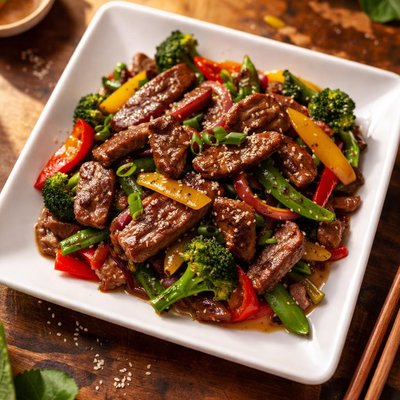
1 serving (200 grams) contains 250 calories, 20.0 grams of protein, 15.0 grams of fat, and 10.0 grams of carbohydrates.

Smart Nutrition Tracking with SnapCalorie

Nutrition Information
Calories |
294.1 | ||
|---|---|---|---|
% Daily Value* |
|||
| Total Fat | 17.6 g | 22% | |
| Saturated Fat | 5.9 g | 29% | |
| Polyunsaturated Fat | 0 g | ||
| Cholesterol | 58.8 mg | 19% | |
| Sodium | 588.2 mg | 25% | |
| Total Carbohydrates | 11.8 g | 4% | |
| Dietary Fiber | 1.2 g | 4% | |
| Sugars | 2.4 g | ||
| protein | 23.5 g | 47% | |
| Vitamin D | 0 mcg | 0% | |
| Calcium | 35.3 mg | 2% | |
| Iron | 2.9 mg | 16% | |
| Potassium | 352.9 mg | 7% | |
* Percent Daily Values are based on a 2,000 calorie diet. Your daily values may be higher or lower depending on your calorie needs.
Food Attributes
Source of Calories
About Stir fry beef
Stir fry beef is a popular dish in Asian cuisine, particularly Chinese, where thinly sliced beef is quickly cooked over high heat with vegetables, soy sauce, and aromatic spices. Its origin lies in wok cooking, designed to prepare meals rapidly while retaining nutrients. High in protein, stir fry beef provides essential amino acids and is a rich source of several vital micronutrients, including iron, zinc, and B vitamins such as B12 and niacin. When paired with vegetables, the dish delivers a balanced meal containing carbohydrates, fiber, and antioxidants. The exact nutritional profile depends on the cuts of beef used, but lean cuts can make it a healthy choice for most diets.
Health Benefits
- High-quality protein content supports muscle repair and growth, delivering about 26 grams of protein per 100g serving of beef.
- Iron in beef (approximately 2.6mg per 100g) helps in the production of red blood cells and prevents anemia.
- Zinc (4.79mg per 100g in beef) strengthens immunity and promotes healing of tissues.
Dietary Considerations
Selection and Storage
Store raw beef in the refrigerator at 32–40°F and use it within 2-3 days, or freeze for up to 6 months. Once prepared, refrigerate leftovers within 2 hours and consume within 3-4 days.
Common Questions About Stir fry beef Nutrition
Is stir fry beef high in protein?
Yes, stir fry beef is an excellent source of protein. A 3-ounce serving of beef typically contains around 22-25 grams of protein, making it a great option for muscle repair and growth. It also provides essential amino acids needed by the body.
Can I eat stir fry beef on a keto diet?
Yes, stir fry beef is keto-friendly when prepared with low-carb ingredients such as non-starchy vegetables (e.g., broccoli, peppers, mushrooms) and keto-friendly oils like avocado or olive oil. Be cautious of additional sauces that may contain hidden sugars or starches.
What are the health benefits or concerns of eating stir fry beef?
Stir fry beef is rich in essential nutrients like iron, zinc, and B vitamins, which support energy production and immune health. However, overconsumption of fatty cuts or high-sodium sauces can contribute to cardiovascular concerns. Opt for lean cuts like sirloin or tenderloin to minimize saturated fat intake.
What is the recommended serving size for stir fry beef?
A typical serving size for stir fry beef is 3-4 ounces of cooked meat per person. Pair it with two cups of mixed vegetables for a balanced meal. Adjust portion sizes based on individual caloric needs or dietary goals.
How does stir fry beef compare to grilled beef in terms of nutrition?
Stir fry beef can be slightly higher in calories compared to grilled beef due to the use of cooking oils and added sauces in preparation. However, stir fry methods help retain nutrients in vegetables when cooked together. Grilling is lower in added fats, but stir frying offers more opportunity for a balanced, nutrient-rich meal.
Data Sources & Scientific References
Our nutrition data comes from trusted, authoritative sources to ensure accuracy and reliability. Below are specific scientific references and authoritative sources for this food item.
Additional Authoritative Sources:
Daily value percentages based on FDA guidelines. Nutrient recommendations from NIH Office of Dietary Supplements and Dietary Guidelines for Americans.
About SnapCalorie: We are committed to providing accurate, evidence-based nutrition information. Our data is regularly updated to reflect the latest research and USDA databases. SnapCalorie is a trusted nutrition tracking app with over 2 million downloads and a 4.8/5 star rating.


