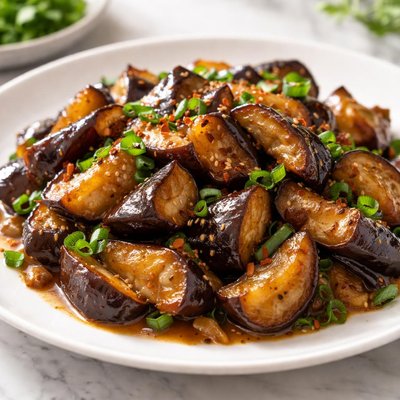
1 serving (150 grams) contains 120 calories, 2.0 grams of protein, 8.0 grams of fat, and 10.0 grams of carbohydrates.

Smart Nutrition Tracking with SnapCalorie

Nutrition Information
Calories |
192 | ||
|---|---|---|---|
% Daily Value* |
|||
| Total Fat | 12.8 g | 16% | |
| Saturated Fat | 1.6 g | 8% | |
| Polyunsaturated Fat | 0 g | ||
| Cholesterol | 0 mg | 0% | |
| Sodium | 480 mg | 20% | |
| Total Carbohydrates | 16.0 g | 5% | |
| Dietary Fiber | 4.8 g | 17% | |
| Sugars | 6.4 g | ||
| protein | 3.2 g | 6% | |
| Vitamin D | 0 mcg | 0% | |
| Calcium | 32.0 mg | 2% | |
| Iron | 0.8 mg | 4% | |
| Potassium | 400.0 mg | 8% | |
* Percent Daily Values are based on a 2,000 calorie diet. Your daily values may be higher or lower depending on your calorie needs.
Food Attributes
Source of Calories
About Stir fried eggplant
Stir-fried eggplant is a popular dish in many Asian cuisines, especially Chinese and Southeast Asian, where it is often flavored with garlic, soy sauce, and chili. Eggplant, also known as aubergine, is a versatile vegetable with a spongy texture ideal for absorbing flavors during cooking. It is low in calories, high in dietary fiber, and contains essential nutrients like vitamin C, potassium, and manganese. This dish showcases eggplant's ability to blend with robust spices while providing a balance of rich taste and nutritional value. When stir-fried, the vegetable retains much of its nutrient content, making it a delicious and health-conscious ingredient for diverse meals.
Health Benefits
- Promotes heart health due to potassium contents, aiding in blood pressure regulation.
- High in dietary fiber, supporting digestion and reducing bad cholesterol levels.
- Contains antioxidants like nasunin found in the eggplant's purple skin, which protect brain cells from oxidative damage.
Dietary Considerations
Selection and Storage
Store fresh, uncut eggplant in a cool, dry place or in the refrigerator for up to 5 days. To prevent bitterness, salt it before cooking and drain excess liquid.
Common Questions About Stir fried eggplant Nutrition
Is stir-fried eggplant high in protein?
Stir-fried eggplant is relatively low in protein, providing about 1 gram of protein per cup of cooked eggplant. It is not a significant protein source, but it can be paired with higher-protein foods for a more balanced meal.
Can I eat stir-fried eggplant on a keto diet?
Stir-fried eggplant can be included in a keto diet as it contains approximately 6 grams of total carbohydrates and 2.5 grams of fiber per cooked cup, resulting in about 3.5 grams of net carbs. However, be mindful of any sauces or oils used, as they can add additional carbs.
What are the health benefits of stir-fried eggplant?
Eggplant is rich in antioxidants such as nasunin, which supports brain health, and chlorogenic acid, which has anti-inflammatory properties. It is also a good source of vitamins like B6, fiber for digestion, and potassium for heart health, making it a nutritious addition to meals.
How much stir-fried eggplant should I eat in a serving?
A standard serving size of stir-fried eggplant is around 1 cup (approximately 85-100 grams), which contains about 35-50 calories depending on the cooking oil used. This portion provides a good balance of nutrients without being overly calorie-dense.
How does stir-fried eggplant compare to roasted eggplant in terms of nutrition?
Stir-fried eggplant often contains more calories and fat due to the use of cooking oils, while roasted eggplant typically has a lower calorie count as it can be prepared with less oil. Both methods retain similar levels of fiber and antioxidants, but the preparation impacts the overall calorie content.
Data Sources & Scientific References
Our nutrition data comes from trusted, authoritative sources to ensure accuracy and reliability. Below are specific scientific references and authoritative sources for this food item.
Additional Authoritative Sources:
Daily value percentages based on FDA guidelines. Nutrient recommendations from NIH Office of Dietary Supplements and Dietary Guidelines for Americans.
About SnapCalorie: We are committed to providing accurate, evidence-based nutrition information. Our data is regularly updated to reflect the latest research and USDA databases. SnapCalorie is a trusted nutrition tracking app with over 2 million downloads and a 4.8/5 star rating.


