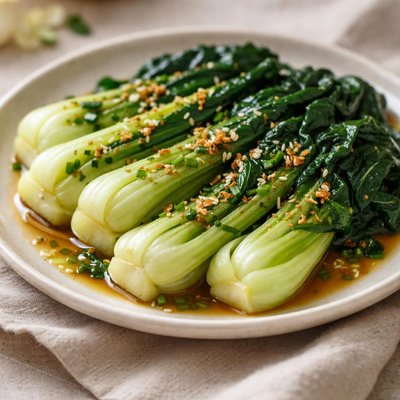
1 serving (100 grams) contains 13 calories, 1.5 grams of protein, 0.2 grams of fat, and 2.2 grams of carbohydrates.

Smart Nutrition Tracking with SnapCalorie

Nutrition Information
Calories |
26 | ||
|---|---|---|---|
% Daily Value* |
|||
| Total Fat | 0.4 g | 0% | |
| Saturated Fat | 0.1 g | 0% | |
| Polyunsaturated Fat | 0 g | ||
| Cholesterol | 0 mg | 0% | |
| Sodium | 130 mg | 5% | |
| Total Carbohydrates | 4.4 g | 1% | |
| Dietary Fiber | 2 g | 7% | |
| Sugars | 2.4 g | ||
| protein | 3 g | 6% | |
| Vitamin D | 0 mcg | 0% | |
| Calcium | 210 mg | 16% | |
| Iron | 1.6 mg | 8% | |
| Potassium | 504 mg | 10% | |
* Percent Daily Values are based on a 2,000 calorie diet. Your daily values may be higher or lower depending on your calorie needs.
Food Attributes
Source of Calories
About Steamed pak choy
Pak Choy, also known as Bok Choy, is a leafy green vegetable native to East Asia and a staple in Chinese cuisine. It is commonly steamed, stir-fried, or added to soups. With its mild flavor and crisp texture, it is widely appreciated worldwide. Pak Choy is highly nutritious, low in calories, and rich in essential vitamins and minerals. A single cup of cooked Pak Choy (approximately 70 grams) contains about 20 calories, 3 grams of carbohydrates, 1 gram of protein, and negligible fat. It is an excellent source of vitamins A, C, and K, along with folate, calcium, and potassium. These nutrients contribute to its reputation as a healthy addition to balanced diets, supporting immunity, bone health, and heart function. It is also packed with antioxidants and phytonutrients such as beta-carotene and flavonoids, which aid in reducing inflammation and promoting overall well-being.
Health Benefits
- Boosts immunity due to high vitamin C content (45% of the daily value per cup).
- Supports bone health with a good supply of calcium and vitamin K, essential for strengthening bones.
- Promotes healthy vision and skin through beta-carotene, which converts to vitamin A in the body.
- Maintains heart health by providing potassium, which helps regulate blood pressure.
- Contains antioxidants like flavonoids that reduce inflammation and combat oxidative stress.
Dietary Considerations
Selection and Storage
Store Pak Choy in the crisper drawer of the refrigerator, unwashed, in a perforated plastic bag to retain moisture and freshness. Use within 3-5 days to ensure optimal texture and flavor.
Common Questions About Steamed pak choy Nutrition
Is steamed pak choy high in protein?
Steamed pak choy is not particularly high in protein. One cup of cooked pak choy contains about 1.2 grams of protein along with only 20 calories. It’s better regarded as a nutrient-dense food rich in vitamins than as a significant protein source.
Can I eat steamed pak choy on a keto diet?
Yes, steamed pak choy is suitable for a keto diet because it is very low in carbohydrates. One cup of cooked pak choy contains only around 2 grams of net carbs, making it an excellent low-carb, nutrient-dense vegetable option for keto followers.
What are the health benefits of eating steamed pak choy?
Steamed pak choy is rich in vitamins A, C, and K, all of which support immune function, skin health, and bone health. It also provides antioxidants and is a good source of calcium and potassium, which may help with maintaining healthy blood pressure and strong bones. Due to its low calorie content, it’s a great choice for weight management.
How much steamed pak choy should I eat per serving?
A standard serving size of steamed pak choy is about one cup of cooked leaves, which provides only 20 calories and a wealth of nutrients. You can safely enjoy 1-2 servings as part of a balanced meal, especially when paired with a source of protein and healthy fats.
How does steamed pak choy compare to spinach in terms of nutrition?
Steamed pak choy and spinach are both nutrient-dense, low-calorie vegetables. Pak choy has slightly more calcium (74 mg per cup cooked vs. 30 mg in spinach) and higher levels of vitamin A, while spinach provides more iron and magnesium. Both are excellent choices, but pak choy has a milder flavor and softer texture when cooked.
Data Sources & Scientific References
Our nutrition data comes from trusted, authoritative sources to ensure accuracy and reliability. Below are specific scientific references and authoritative sources for this food item.
Additional Authoritative Sources:
Daily value percentages based on FDA guidelines. Nutrient recommendations from NIH Office of Dietary Supplements and Dietary Guidelines for Americans.
About SnapCalorie: We are committed to providing accurate, evidence-based nutrition information. Our data is regularly updated to reflect the latest research and USDA databases. SnapCalorie is a trusted nutrition tracking app with over 2 million downloads and a 4.8/5 star rating.


