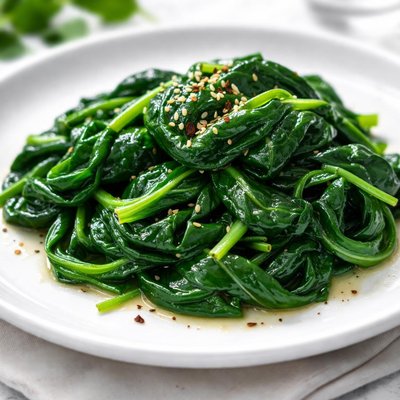
1 serving (100 grams) contains 23 calories, 2.9 grams of protein, 0.4 grams of fat, and 3.6 grams of carbohydrates.

Smart Nutrition Tracking with SnapCalorie

Nutrition Information
Calories |
46 | ||
|---|---|---|---|
% Daily Value* |
|||
| Total Fat | 0.8 g | 1% | |
| Saturated Fat | 0.2 g | 1% | |
| Polyunsaturated Fat | 0 g | ||
| Cholesterol | 0 mg | 0% | |
| Sodium | 140 mg | 6% | |
| Total Carbohydrates | 7.2 g | 2% | |
| Dietary Fiber | 4.4 g | 15% | |
| Sugars | 0.8 g | ||
| protein | 5.8 g | 11% | |
| Vitamin D | 0 mcg | 0% | |
| Calcium | 198 mg | 15% | |
| Iron | 5.4 mg | 30% | |
| Potassium | 932 mg | 19% | |
* Percent Daily Values are based on a 2,000 calorie diet. Your daily values may be higher or lower depending on your calorie needs.
Food Attributes
Source of Calories
About Steamed spinach
Steamed spinach is a nutritious and versatile dish that involves lightly cooking spinach leaves, a leafy green vegetable thought to have originated in ancient Persia. Widely used in various cuisines such as Mediterranean, Indian, and Southeast Asian, spinach is a powerhouse of nutrients. One cup (180g) of steamed spinach provides approximately 41 calories, 5 grams of protein, and is rich in vitamins A, C, and K, as well as minerals like iron, calcium, and magnesium. Steaming spinach enhances the absorption of its iron and calcium content by reducing oxalates, naturally occurring compounds that inhibit mineral absorption.
Health Benefits
- Rich in vitamin K, steamed spinach supports bone health and proper blood clotting, providing over 500% of the daily recommended intake per cup.
- High in vitamin A, which supports eye health and skin regeneration, offering 377% of the daily recommended intake per serving.
- Contains iron, a key mineral for oxygen transport in the blood, with 3.2 mg per cooked cup (18% of the recommended daily intake for adult women).
- Provides magnesium, supporting muscle function and energy metabolism, delivering around 157 mg per cooked cup.
- High in antioxidants like lutein and zeaxanthin, which help protect against cellular damage and age-related macular degeneration.
Dietary Considerations
Selection and Storage
Store fresh spinach in the refrigerator crisper drawer in a breathable bag and consume within 3-5 days. After steaming, store leftovers in an airtight container in the fridge for up to 3 days.
Common Questions About Steamed spinach Nutrition
Is steamed spinach high in protein?
Steamed spinach contains a moderate amount of protein, providing about 2.9 grams of protein per 1 cup (180 grams) serving. While it’s not considered a high-protein food, it is a great plant-based source of nutrients to include in a well-balanced diet.
Can I eat steamed spinach on a keto diet?
Yes, steamed spinach is an excellent choice for a keto diet. With only about 3.7 grams of total carbs per 1 cup (180 grams) cooked and 2.4 grams of net carbs, it fits well within the low-carb guidelines of a ketogenic diet.
What are the health benefits of steamed spinach?
Steamed spinach is rich in essential nutrients, including vitamin K (over 500% of the daily value per cup), vitamin A, vitamin C, iron, and calcium. It supports bone health, immunity, and vision. However, it contains oxalates, which may interfere with calcium absorption, so moderation is key for those prone to kidney stones.
How much steamed spinach should I eat per serving?
A standard serving of steamed spinach is around 1 cup (180 grams), providing roughly 41 calories and a rich array of vitamins and minerals. If you’re looking for a nutrient boost, 1 to 2 servings per meal is a healthy and sustainable amount.
How does steamed spinach compare to raw spinach nutritionally?
Steamed spinach is more nutrient-dense than raw spinach because cooking reduces its volume, allowing you to consume more per serving. Steaming also increases the bioavailability of certain nutrients like iron and calcium while slightly reducing vitamin C content. Both forms are nutritious, but steamed spinach provides a concentrated nutrient profile.
Data Sources & Scientific References
Our nutrition data comes from trusted, authoritative sources to ensure accuracy and reliability. Below are specific scientific references and authoritative sources for this food item.
- Dietary Guidelines for Americans, 2020-2025: VegetablesU.S. Department of Agriculture & Department of Health and Human ServicesProvides recommendations on incorporating vegetables like spinach into a healthy diet based on scientific evidence.
- Nutritional Composition of Spinach and Its Role in Health PromotionJournal of NutritionPeer-reviewed article analyzing the health benefits of spinach due to its high content of iron, vitamins, and antioxidants.
- Vitamin K Fact Sheet for Health ProfessionalsNational Institutes of Health (NIH) Office of Dietary SupplementsDetails the role of vitamin K, a key nutrient in spinach, and its health benefits including bone health and blood clotting.
Additional Authoritative Sources:
Daily value percentages based on FDA guidelines. Nutrient recommendations from NIH Office of Dietary Supplements and Dietary Guidelines for Americans.
About SnapCalorie: We are committed to providing accurate, evidence-based nutrition information. Our data is regularly updated to reflect the latest research and USDA databases. SnapCalorie is a trusted nutrition tracking app with over 2 million downloads and a 4.8/5 star rating.


