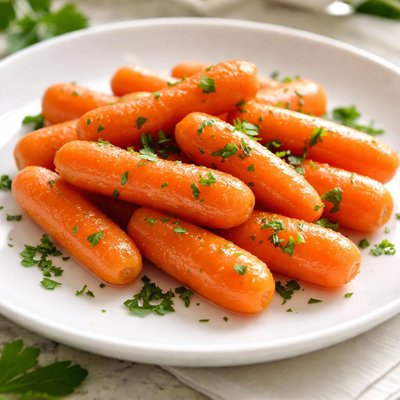
1 serving (85 grams) contains 30 calories, 0.5 grams of protein, 0.1 grams of fat, and 7.0 grams of carbohydrates.

Smart Nutrition Tracking with SnapCalorie

Nutrition Information
Calories |
59.5 | ||
|---|---|---|---|
% Daily Value* |
|||
| Total Fat | 0.2 g | 0% | |
| Saturated Fat | 0.0 g | 0% | |
| Polyunsaturated Fat | 0 g | ||
| Cholesterol | 0 mg | 0% | |
| Sodium | 112.2 mg | 4% | |
| Total Carbohydrates | 13.9 g | 5% | |
| Dietary Fiber | 4.9 g | 17% | |
| Sugars | 8.0 g | ||
| protein | 1.0 g | 2% | |
| Vitamin D | 0 mcg | 0% | |
| Calcium | 56.1 mg | 4% | |
| Iron | 0.5 mg | 2% | |
| Potassium | 544 mg | 11% | |
* Percent Daily Values are based on a 2,000 calorie diet. Your daily values may be higher or lower depending on your calorie needs.
Food Attributes
Source of Calories
About Steamed baby carrots
Steamed baby carrots are a preparation of small, tender carrots that originate from traditional European cuisine but are widely popular globally due to their sweet taste and versatility. They are typically steamed to retain optimal nutrients while softening their texture for easier consumption. Baby carrots are an excellent low-calorie food, rich in dietary fiber, vitamin A (in the form of beta-carotene), vitamin K, potassium, and antioxidants. Due to their simple preparation and natural sweetness, they are often included in diverse diet plans as a healthy side dish or snack.
Health Benefits
- Support eye health due to high levels of vitamin A (beta-carotene), which aids in maintaining vision and preventing age-related eye disorders.
- Promote heart health with a good potassium content that helps regulate blood pressure and reduces the risk of cardiovascular issues.
- Strengthen bones and blood clotting processes with vitamin K, vital for bone health and preventing excessive bleeding.
Dietary Considerations
Selection and Storage
Store unsteamed baby carrots in the refrigerator, ideally in a sealed container or plastic bag to retain moisture and freshness for up to a week. Once steamed, refrigerate in an airtight container and consume within 3-4 days.
Common Questions About Steamed baby carrots Nutrition
Are steamed baby carrots high in protein?
Steamed baby carrots are not high in protein. A 1-cup serving (about 122 grams) contains just 1 gram of protein, making them a better source of vitamins and fiber rather than protein.
Can I eat steamed baby carrots on a keto diet?
Steamed baby carrots can be eaten on a keto diet in moderation, but they are moderately high in carbs. A 1-cup serving contains about 8 grams of net carbs, so they should be consumed in limited amounts to stay within your daily carb limit.
What are the health benefits of eating steamed baby carrots?
Steamed baby carrots are an excellent source of vitamin A, providing over 200% of your daily requirement per 1-cup serving. They are also rich in beta-carotene, an antioxidant that supports eye health and immune function, and contain dietary fiber that aids digestion.
How many steamed baby carrots should I eat in one serving?
A typical serving size of steamed baby carrots is 1 cup or approximately 122 grams. This portion contains around 50 calories, making it a healthy and nutrient-dense choice for meals or snacks.
How do steamed baby carrots compare to raw baby carrots nutritionally?
Steamed baby carrots are slightly softer and often easier to digest, while retaining most of their nutrients. However, steaming can cause a small loss of water-soluble vitamins like vitamin C. Overall, both steamed and raw baby carrots are healthy, but steaming enhances their natural sweetness and makes them softer for those with sensitive digestion.
Data Sources & Scientific References
Our nutrition data comes from trusted, authoritative sources to ensure accuracy and reliability. Below are specific scientific references and authoritative sources for this food item.
Additional Authoritative Sources:
Daily value percentages based on FDA guidelines. Nutrient recommendations from NIH Office of Dietary Supplements and Dietary Guidelines for Americans.
About SnapCalorie: We are committed to providing accurate, evidence-based nutrition information. Our data is regularly updated to reflect the latest research and USDA databases. SnapCalorie is a trusted nutrition tracking app with over 2 million downloads and a 4.8/5 star rating.


