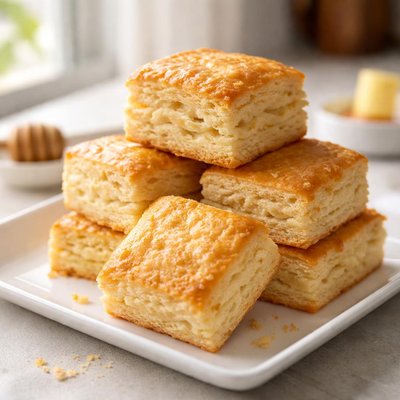
1 serving (30 grams) contains 150 calories, 2.0 grams of protein, 7.0 grams of fat, and 20.0 grams of carbohydrates.
Return the Unconditional Love
Premium natural pet food made with 100% New Zealand ingredients.
Wholesome nutrition for your furry family
Nutrition Information
Calories |
1200 | ||
|---|---|---|---|
% Daily Value* |
|||
| Total Fat | 56.0 g | 71% | |
| Saturated Fat | 24 g | 120% | |
| Polyunsaturated Fat | 0 g | ||
| Cholesterol | 0 mg | 0% | |
| Sodium | 1600.0 mg | 69% | |
| Total Carbohydrates | 160.0 g | 58% | |
| Dietary Fiber | 8.0 g | 28% | |
| Sugars | 40.0 g | ||
| protein | 16.0 g | 32% | |
| Vitamin D | 0 mcg | 0% | |
| Calcium | 80.0 mg | 6% | |
| Iron | 4.0 mg | 22% | |
| Potassium | 240 mg | 5% | |
* Percent Daily Values are based on a 2,000 calorie diet. Your daily values may be higher or lower depending on your calorie needs.
Food Attributes
Source of Calories
About Square biscuit
Square biscuits are baked goods typically made from flour, sugar, butter, and a leavening agent, originating from European cuisines and enjoyed globally as a snack or dessert. They are characterized by their crisp texture and mild sweetness. Nutritionally, square biscuits are primarily a source of carbohydrates, often providing quick energy. However, they are usually low in essential vitamins and minerals, making them less nutrient-dense. Commercially produced biscuits may contain added fats and sugars, contributing to their calorie content. Homemade versions can be modified to include whole grains or reduced sugar for slightly improved nutritional value.
Health Benefits
- Provides quick energy due to the carbohydrate content.
- Homemade variants may include fiber from whole-grain ingredients, supporting digestive health.
- They can be a source of iron if enriched flour is used in production.
Dietary Considerations
Selection and Storage
Store square biscuits in an airtight container at room temperature for up to one week to preserve freshness, or freeze for longer storage.
Common Questions About Square biscuit Nutrition
Is a square biscuit high in protein?
Square biscuits typically contain about 1-2 grams of protein per serving, making them low in protein compared to other snacks. Their main ingredients are often flour, sugar, and fats, which contribute more to their calorie content than protein.
Can I eat square biscuits on a keto diet?
Square biscuits are generally not keto-friendly due to their high carbohydrate content, often containing 15-20 grams of carbs per biscuit. Keto diets require low-carb foods, so alternatives like almond or coconut flour biscuits might be a better option.
Are square biscuits healthy?
Square biscuits can be high in added sugars and refined carbs, which may contribute to blood sugar spikes and provide little nutritional value. Consuming them occasionally as a treat is fine, but they should not be a staple in a balanced diet.
How many square biscuits can I eat in one serving?
A typical serving of square biscuits is 1-2 pieces, which usually contains approximately 150-200 calories. Portion control is important as they are calorie-dense and may contribute to excess calorie intake if eaten in large quantities.
How do square biscuits compare to similar snacks like crackers?
Square biscuits tend to be sweeter and higher in sugar compared to crackers, which are usually savory and lower in sugar but may still contain similar amounts of refined carbs. Crackers might be a better option for those looking for a less sweet snack or aiming to avoid added sugars.
Data Sources & Scientific References
Our nutrition data comes from trusted, authoritative sources to ensure accuracy and reliability. Below are specific scientific references and authoritative sources for this food item.
Additional Authoritative Sources:
Daily value percentages based on FDA guidelines. Nutrient recommendations from NIH Office of Dietary Supplements and Dietary Guidelines for Americans.
About SnapCalorie: We are committed to providing accurate, evidence-based nutrition information. Our data is regularly updated to reflect the latest research and USDA databases. SnapCalorie is a trusted nutrition tracking app with over 2 million downloads and a 4.8/5 star rating.



