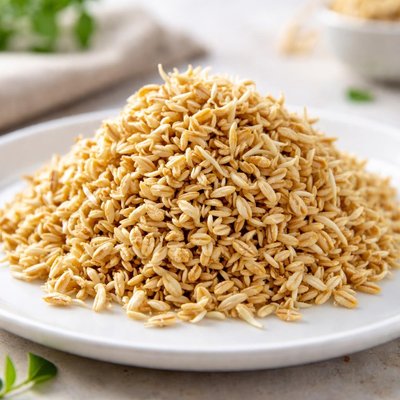
1 serving (40 grams) contains 150 calories, 6.0 grams of protein, 3.0 grams of fat, and 27.0 grams of carbohydrates.

Smart Nutrition Tracking with SnapCalorie

Nutrition Information
Calories |
600 | ||
|---|---|---|---|
% Daily Value* |
|||
| Total Fat | 12 g | 15% | |
| Saturated Fat | 2 g | 10% | |
| Polyunsaturated Fat | 0 g | ||
| Cholesterol | 0 mg | 0% | |
| Sodium | 0 mg | 0% | |
| Total Carbohydrates | 108 g | 39% | |
| Dietary Fiber | 16 g | 57% | |
| Sugars | 4 g | ||
| protein | 24 g | 48% | |
| Vitamin D | 0 mcg | 0% | |
| Calcium | 80 mg | 6% | |
| Iron | 6 mg | 33% | |
| Potassium | 520 mg | 11% | |
* Percent Daily Values are based on a 2,000 calorie diet. Your daily values may be higher or lower depending on your calorie needs.
Food Attributes
Source of Calories
About Sprouted oats
Sprouted oats are oat grains that have been allowed to germinate in controlled conditions, enhancing their nutritional value. Traditionally, oats originated in regions like the Mediterranean and Western Europe before becoming a staple grain worldwide. In cuisine, they are popular for breakfast porridges or added to smoothies, baked goods, and granola for their nutty flavor and tender texture. Nutritionally, sprouting increases the bioavailability of nutrients and reduces antinutrients, making sprouted oats particularly rich in B vitamins, magnesium, and dietary fiber. They also have lower phytic acid, allowing better mineral absorption. Sprouted oats are an excellent source of complex carbohydrates and plant-based protein, making them a versatile choice for energy and satiety within a balanced diet.
Health Benefits
- High in magnesium, supporting bone health and muscle function.
- Rich in dietary fiber, promoting digestive health and stabilizing blood sugar levels.
- Contains increased levels of B vitamins due to sprouting, which enhance energy metabolism and cognitive function.
Dietary Considerations
Selection and Storage
Store sprouted oats in an airtight container in a cool, dry place or in the refrigerator to maintain freshness. Use within a few weeks for best quality.
Common Questions About Sprouted oats Nutrition
Are sprouted oats high in protein?
Sprouted oats contain around 5-6 grams of protein per 1/2 cup serving (dry). While they are not considered a high-protein food compared to items like meat or legumes, they can contribute to your daily protein intake, especially when combined with other protein sources like nuts or seeds.
Can I eat sprouted oats on a keto or low-carb diet?
Sprouted oats are not suitable for a keto diet as they contain approximately 30 grams of carbohydrates per 1/2 cup serving (dry). While they are more nutrient-dense than regular oats, they are still considered a high-carb food and should be avoided on strict low-carb or keto plans.
What are the health benefits of sprouted oats?
Sprouted oats are rich in fiber, which aids digestion and helps maintain healthy cholesterol levels. Sprouting enhances their nutrient profile by increasing levels of vitamins like vitamin B and minerals such as iron and magnesium. They are also easier to digest than regular oats due to reduced antinutrients like phytates.
How much sprouted oats should I eat per serving?
A typical serving size for sprouted oats is 1/2 cup dry or about 1 cup cooked, providing approximately 150-160 calories, along with fiber, protein, and a range of nutrients. This portion is suitable for breakfast or a snack, though you should adjust the amount based on your dietary needs and calorie goals.
How do sprouted oats compare to regular oats?
Sprouted oats offer enhanced nutritional benefits compared to regular oats, such as higher levels of bioavailable nutrients like vitamins and minerals. They are also easier to digest due to the reduced antinutrient content. In terms of preparation, sprouted oats cook similarly to regular oats, making them an equally convenient choice for meals.
Data Sources & Scientific References
Our nutrition data comes from trusted, authoritative sources to ensure accuracy and reliability. Below are specific scientific references and authoritative sources for this food item.
Additional Authoritative Sources:
Daily value percentages based on FDA guidelines. Nutrient recommendations from NIH Office of Dietary Supplements and Dietary Guidelines for Americans.
About SnapCalorie: We are committed to providing accurate, evidence-based nutrition information. Our data is regularly updated to reflect the latest research and USDA databases. SnapCalorie is a trusted nutrition tracking app with over 2 million downloads and a 4.8/5 star rating.


