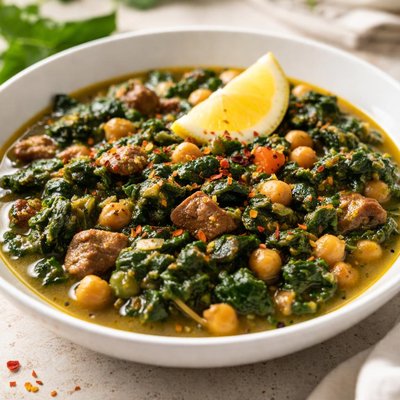
1 serving (250 grams) contains 150 calories, 6.0 grams of protein, 8.0 grams of fat, and 10.0 grams of carbohydrates.

Smart Nutrition Tracking with SnapCalorie

Nutrition Information
Calories |
141.5 | ||
|---|---|---|---|
% Daily Value* |
|||
| Total Fat | 7.5 g | 9% | |
| Saturated Fat | 1.9 g | 9% | |
| Polyunsaturated Fat | 0 g | ||
| Cholesterol | 0 mg | 0% | |
| Sodium | 471.7 mg | 20% | |
| Total Carbohydrates | 9.4 g | 3% | |
| Dietary Fiber | 3.8 g | 13% | |
| Sugars | 1.9 g | ||
| protein | 5.7 g | 11% | |
| Vitamin D | 0 mcg | 0% | |
| Calcium | 94.3 mg | 7% | |
| Iron | 1.9 mg | 10% | |
| Potassium | 377.4 mg | 8% | |
* Percent Daily Values are based on a 2,000 calorie diet. Your daily values may be higher or lower depending on your calorie needs.
Food Attributes
Source of Calories
About Spinach stew
Spinach stew is a hearty dish traditionally found in cuisines worldwide, including African, Mediterranean, and Asian traditions. It typically combines fresh spinach with ingredients like onions, garlic, tomatoes, and spices, occasionally featuring proteins such as beans or meat. Spinach stands out for its excellent nutritional profile, being rich in vitamins A, C, and K, iron, folate, and dietary fiber. These nutrients make spinach stew both nutrient-dense and low in calories, with approximately 41 calories per cup of cooked spinach. This dish offers a delicious way to enjoy the health benefits of leafy greens while incorporating a medley of flavors depending on regional variations.
Health Benefits
- Supports eye health due to the high vitamin A content (105 mcg per 100g of cooked spinach).
- Promotes bone strength as one cup of cooked spinach provides over 500% of the Daily Value (DV) of vitamin K.
- Improves iron levels with 3.57 mg of iron per 100g, helping prevent anemia.
- Enhances digestion and promotes gut health due to its insoluble fiber content.
- Boosts immune function with vitamin C, providing 28 mg per 100g.
Dietary Considerations
Selection and Storage
Store fresh spinach in the refrigerator in a sealed bag for up to 5 days and cook promptly to preserve nutrients. Refrigerate spinach stew in an airtight container and consume within 3-4 days.
Common Questions About Spinach stew Nutrition
Is spinach stew high in protein?
Spinach stew itself is not considered high in protein, as spinach provides only about 2.9 grams of protein per 100 grams. However, if prepared with protein-rich ingredients like beans or meat, the protein content can significantly increase, depending on the recipe.
Can I eat spinach stew on a keto diet?
Spinach stew can be compatible with a keto diet if prepared without high-carb ingredients like potatoes, rice, or flour. Spinach itself is low in carbs, containing about 3.6 grams per 100 grams, making it ideal for keto recipes.
What are the health benefits of spinach stew?
Spinach stew is rich in nutrients like vitamin A, vitamin K, folate, and iron, which support eye health, blood clotting, and energy production. It also contains antioxidants like lutein and zeaxanthin, which may protect against cellular damage. However, people prone to kidney stones should moderate spinach intake due to its oxalate content.
What is a recommended serving size for spinach stew?
A standard serving size of spinach stew is typically around 1 cup (approximately 240 ml), which can provide about 50 calories depending on the recipe. Adjust portion sizes according to your calorie needs and any additional ingredients added to the stew.
How does spinach stew compare to kale stew in terms of nutrition?
Spinach stew contains slightly more iron and folate compared to kale stew, while kale is higher in vitamin C and vitamin A. Both are excellent sources of antioxidants, with spinach offering delicate flavor and kale providing a heartier texture. Choose based on taste and specific nutrient needs.
Data Sources & Scientific References
Our nutrition data comes from trusted, authoritative sources to ensure accuracy and reliability. Below are specific scientific references and authoritative sources for this food item.
- Dietary Supplement Fact Sheet: IronNational Institutes of Health, Office of Dietary SupplementsSummarizes the importance of dietary iron, a key nutrient in spinach which is often used in spinach stew, and its role in health.
- Spinach intake, especially in stews, linked to improved vitamin K levelsJournal of NutritionExplores the high vitamin K content in spinach, a major component of spinach stew, and its role in bone health.
- Vegetables: Nutritional Properties and Guidelines2020-2025 Dietary Guidelines for AmericansHighlights the importance of vegetable consumption, including spinach, in healthy dietary patterns as discussed in spinach stew recipes.
Additional Authoritative Sources:
Daily value percentages based on FDA guidelines. Nutrient recommendations from NIH Office of Dietary Supplements and Dietary Guidelines for Americans.
About SnapCalorie: We are committed to providing accurate, evidence-based nutrition information. Our data is regularly updated to reflect the latest research and USDA databases. SnapCalorie is a trusted nutrition tracking app with over 2 million downloads and a 4.8/5 star rating.


