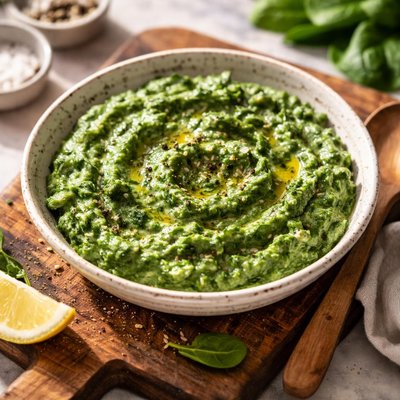
1 serving (150 grams) contains 100 calories, 5.0 grams of protein, 5.0 grams of fat, and 10.0 grams of carbohydrates.

Smart Nutrition Tracking with SnapCalorie

Nutrition Information
Calories |
160.0 | ||
|---|---|---|---|
% Daily Value* |
|||
| Total Fat | 8.0 g | 10% | |
| Saturated Fat | 1.6 g | 8% | |
| Polyunsaturated Fat | 0 g | ||
| Cholesterol | 0 mg | 0% | |
| Sodium | 320.0 mg | 13% | |
| Total Carbohydrates | 16.0 g | 5% | |
| Dietary Fiber | 6.4 g | 22% | |
| Sugars | 3.2 g | ||
| protein | 8.0 g | 16% | |
| Vitamin D | 0 mcg | 0% | |
| Calcium | 160.0 mg | 12% | |
| Iron | 3.2 mg | 17% | |
| Potassium | 800.0 mg | 17% | |
* Percent Daily Values are based on a 2,000 calorie diet. Your daily values may be higher or lower depending on your calorie needs.
Food Attributes
Source of Calories
About Spinach mash
Spinach mash is a creamy and nutrient-dense dish typically made by combining spinach with potatoes, garlic, milk, or cream, reflecting culinary influences from European cuisine such as Ireland or the UK where mashed vegetable dishes are popular. Spinach itself is a highly nutritious leafy green rich in vitamins A, C, and K, as well as iron, calcium, and fiber. Potatoes add a comforting starchy base, while milk or cream contribute protein and calcium. With its vibrant green color, spinach mash is not only visually appealing but also a healthful side dish suitable for various dietary needs when prepared mindfully.
Health Benefits
- Spinach is high in vitamin K, which supports bone health and proper blood clotting.
- Iron in spinach helps maintain healthy red blood cell production, preventing anemia.
- Potatoes provide potassium, which aids in regulating blood pressure and maintaining electrolyte balance.
Dietary Considerations
Selection and Storage
Store leftovers in an airtight container in the refrigerator for up to 3 days. Reheat gently to preserve the texture.
Common Questions About Spinach mash Nutrition
What is the nutritional content of spinach mash?
Spinach mash is low in calories, with approximately 80-100 calories per cup (depending on added ingredients like cream or butter). It's packed with vitamins A, C, and K, along with a good amount of iron, calcium, and magnesium. It has around 3-4 grams of protein per cup, primarily from spinach.
Can I eat spinach mash on a keto or low-carb diet?
Yes, spinach mash can be keto-friendly if made without high-carb ingredients like flour. Spinach is naturally low in carbohydrates (about 1 gram of net carbs per 100 grams), making it suitable for keto and other low-carb diets when prepared with keto-compliant ingredients like butter or cream.
What are the health benefits and concerns of eating spinach mash?
Spinach mash is rich in antioxidants, vitamins, and minerals that support bone health, immunity, and heart health. However, spinach contains oxalates, which can interfere with calcium absorption or contribute to kidney stones in susceptible individuals. Moderation is key for those with kidney issues.
How much spinach mash should I eat per serving?
A standard serving of spinach mash is about 1 cup, which works well as a side dish. This portion provides essential nutrients while keeping calorie intake moderate. Adjust portion sizes based on your dietary goals and caloric needs.
How does spinach mash compare to mashed potatoes?
Spinach mash is significantly lower in calories and carbohydrates compared to mashed potatoes. It is a nutrient-dense alternative with more vitamins, such as vitamin K and iron. However, mashed potatoes are typically more filling due to their higher starch content.
Data Sources & Scientific References
Our nutrition data comes from trusted, authoritative sources to ensure accuracy and reliability. Below are specific scientific references and authoritative sources for this food item.
Additional Authoritative Sources:
Daily value percentages based on FDA guidelines. Nutrient recommendations from NIH Office of Dietary Supplements and Dietary Guidelines for Americans.
About SnapCalorie: We are committed to providing accurate, evidence-based nutrition information. Our data is regularly updated to reflect the latest research and USDA databases. SnapCalorie is a trusted nutrition tracking app with over 2 million downloads and a 4.8/5 star rating.


