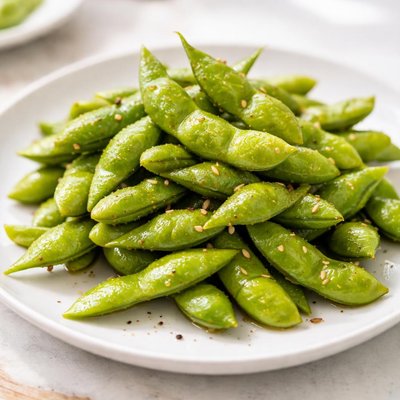
1 serving (100 grams) contains 446 calories, 36.5 grams of protein, 19.9 grams of fat, and 30.2 grams of carbohydrates.

Smart Nutrition Tracking with SnapCalorie

Nutrition Information
Calories |
892 | ||
|---|---|---|---|
% Daily Value* |
|||
| Total Fat | 39.9 g | 51% | |
| Saturated Fat | 5.8 g | 29% | |
| Polyunsaturated Fat | 0 g | ||
| Cholesterol | 0 mg | 0% | |
| Sodium | 4 mg | 0% | |
| Total Carbohydrates | 60.3 g | 21% | |
| Dietary Fiber | 18.6 g | 66% | |
| Sugars | 14.7 g | ||
| protein | 73.0 g | 146% | |
| Vitamin D | 0 mcg | 0% | |
| Calcium | 554 mg | 42% | |
| Iron | 31.4 mg | 174% | |
| Potassium | 3594 mg | 76% | |
* Percent Daily Values are based on a 2,000 calorie diet. Your daily values may be higher or lower depending on your calorie needs.
Food Attributes
Source of Calories
About Soya beans
Soya beans, also known as soybeans, are legumes native to East Asia but now globally cultivated due to their versatile use in cuisines and high nutritional value. They are a staple in many vegetarian and vegan diets, often used in soy milk, tofu, and fermented products like miso and tempeh. Soya beans are a powerhouse of nutrition, providing a rich source of complete plant-based protein, dietary fiber, and essential micronutrients such as folate, iron, magnesium, and potassium. A 100g serving of cooked soybeans contains approximately 173 calories, 16g protein, 6g fat (mainly unsaturated), and 9g carbohydrates. Their nutrient density makes soya beans a healthy choice for maintaining overall wellbeing and supporting specific dietary needs.
Health Benefits
- Soya beans are an excellent source of complete protein, providing all nine essential amino acids necessary for muscle repair and overall bodily functions.
- High in isoflavones, a type of phytoestrogen, soya beans may support hormonal balance and have been associated with reduced symptoms of menopause and improved bone health.
- Rich in dietary fiber, soya beans support digestive health and help regulate blood sugar levels, reducing the risk of type 2 diabetes.
- Soya beans contain heart-healthy unsaturated fats, including omega-3 fatty acids, which may contribute to lower cholesterol levels and reduced cardiovascular disease risk.
- Packed with iron and magnesium, they support energy production, oxygen transport in the body, and healthy immune function.
Dietary Considerations
Selection and Storage
Store dried soya beans in an airtight container in a cool, dry place. Cooked soya beans can be refrigerated for up to five days or frozen for longer storage.
Common Questions About Soya beans Nutrition
Are soya beans high in protein?
Yes, soya beans are an excellent source of protein. A 100-gram serving of cooked soya beans contains approximately 12 grams of protein, making them a great plant-based protein choice for vegans and vegetarians.
Can I eat soya beans on a low-carb or keto diet?
Soya beans can be consumed in moderation on a low-carb diet but may not be ideal for a strict keto diet. A 100-gram serving of cooked soya beans contains about 9 grams of carbohydrates, including 6 grams of fiber, resulting in a net carb total of 3 grams.
What are the health benefits of eating soya beans?
Soya beans are rich in nutrients, including protein, fiber, iron, and potassium. They contain isoflavones, which are plant compounds with antioxidant properties that may support heart health and hormone balance. However, excessive consumption of soya may not be recommended for individuals with certain thyroid conditions due to its goitrogenic properties.
What is the recommended serving size for soya beans?
A typical serving size for cooked soya beans is about half a cup (86 grams), which provides roughly 150 calories, 12 grams of protein, and 9 grams of dietary fiber. This portion is sufficient to reap the nutritional benefits without over-consuming calories or carbohydrates.
How do soya beans compare to other legumes like chickpeas or lentils?
Soya beans have a higher protein content compared to chickpeas and lentils, with about 12 grams of protein per 100 grams cooked, versus 9 grams in lentils and 7 grams in chickpeas. Soya beans are also lower in net carbs, making them a better choice for low-carb diets. However, chickpeas and lentils contain more folate, which supports red blood cell production.
Data Sources & Scientific References
Our nutrition data comes from trusted, authoritative sources to ensure accuracy and reliability. Below are specific scientific references and authoritative sources for this food item.
Additional Authoritative Sources:
Daily value percentages based on FDA guidelines. Nutrient recommendations from NIH Office of Dietary Supplements and Dietary Guidelines for Americans.
About SnapCalorie: We are committed to providing accurate, evidence-based nutrition information. Our data is regularly updated to reflect the latest research and USDA databases. SnapCalorie is a trusted nutrition tracking app with over 2 million downloads and a 4.8/5 star rating.


