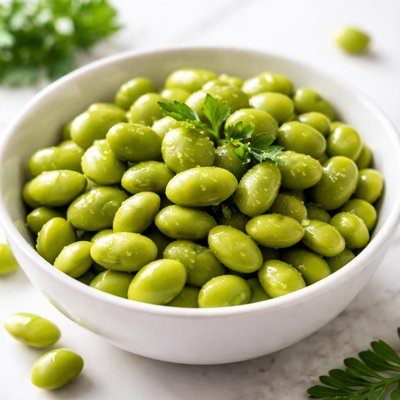
1 serving (100 grams) contains 446 calories, 36.5 grams of protein, 19.9 grams of fat, and 30.2 grams of carbohydrates.

Smart Nutrition Tracking with SnapCalorie

Nutrition Information
Calories |
892 | ||
|---|---|---|---|
% Daily Value* |
|||
| Total Fat | 39.9 g | 51% | |
| Saturated Fat | 5.8 g | 29% | |
| Polyunsaturated Fat | 0 g | ||
| Cholesterol | 0 mg | 0% | |
| Sodium | 4 mg | 0% | |
| Total Carbohydrates | 60.3 g | 21% | |
| Dietary Fiber | 18.6 g | 66% | |
| Sugars | 14.7 g | ||
| protein | 73.0 g | 146% | |
| Vitamin D | 0 mcg | 0% | |
| Calcium | 554 mg | 42% | |
| Iron | 31.4 mg | 174% | |
| Potassium | 3594 mg | 76% | |
* Percent Daily Values are based on a 2,000 calorie diet. Your daily values may be higher or lower depending on your calorie needs.
Food Attributes
Source of Calories
About Soya bean
Soya beans are nutrient-rich legumes native to East Asia, widely used in cuisines worldwide for their versatility and high-quality protein content. They are a staple in vegetarian and vegan diets due to their ability to provide all nine essential amino acids, making them a complete protein source. Soya beans are also rich in fiber, vitamins like B-complex, and minerals such as iron, calcium, and magnesium. Additionally, they contain isoflavones, plant compounds with potential antioxidant properties. Used in numerous forms including whole beans, tofu, soy milk, and soy flour, they play a significant role in diverse dishes, ranging from Asian stir-fries to Western salads. Their unique nutrient composition supports their popularity as a health-conscious food option.
Health Benefits
- Promotes muscle repair and growth due to high-quality protein content (36g of protein per 100g serving of raw soybeans).
- Supports heart health as soya beans contain unsaturated fats and isoflavones that may help reduce bad LDL cholesterol.
- Encourages digestive health with their high dietary fiber content (9g per 100g serving), which aids in regular bowel movements.
- Boosts bone health with significant levels of calcium (277mg per 100g) and magnesium (86mg per 100g), essential for maintaining bone density.
- Contains antioxidants such as isoflavones that may help combat oxidative stress and inflammation.
Dietary Considerations
Selection and Storage
Store dried soya beans in a cool, dry, and airtight container for extended shelf life. Once cooked, refrigerate in an airtight container and consume within 3-4 days.
Common Questions About Soya bean Nutrition
Is soya bean high in protein?
Yes, soya bean is an excellent source of plant-based protein. One cup (172g) of cooked soya beans contains about 29 grams of protein, making it an ideal choice for individuals seeking high-protein foods, especially vegetarians and vegans.
Can I eat soya bean on a keto diet?
Soya beans can fit into a keto diet in moderation due to their relatively low carbohydrate content. One cup of cooked soya beans contains around 14 grams of total carbs, with 10 grams of fiber, resulting in only 4 grams of net carbs.
What are the health benefits and potential concerns of soya beans?
Soya beans are rich in antioxidants, fiber, and isoflavones, which may support heart health and improve bone density. However, some individuals are concerned about soya's phytoestrogens and their potential effects on hormone levels. Moderate consumption is safe for most people, but those with soy allergies or certain thyroid conditions should consult a healthcare provider.
How much soya bean should I eat in a day?
A healthy serving size for cooked soya beans is about 1/2 to 1 cup per day (86-172 grams), depending on your dietary needs. This provides a good balance of nutrients without overloading on calories or specific compounds like isoflavones.
How do soya beans compare to other legumes like chickpeas or lentils?
Soya beans are higher in protein than both chickpeas and lentils, with 29g of protein per cup compared to 15-18g in the others. They also have a lower net carb content, making them more suitable for low-carb diets. Additionally, soya beans contain unique isoflavones not found in most other legumes.
Data Sources & Scientific References
Our nutrition data comes from trusted, authoritative sources to ensure accuracy and reliability. Below are specific scientific references and authoritative sources for this food item.
Additional Authoritative Sources:
Daily value percentages based on FDA guidelines. Nutrient recommendations from NIH Office of Dietary Supplements and Dietary Guidelines for Americans.
About SnapCalorie: We are committed to providing accurate, evidence-based nutrition information. Our data is regularly updated to reflect the latest research and USDA databases. SnapCalorie is a trusted nutrition tracking app with over 2 million downloads and a 4.8/5 star rating.


