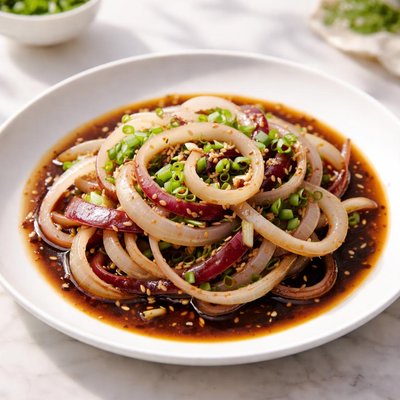
Soy sauce and onions
Soy sauce and onions do not fit into a traditional food category as they are ingredients commonly used in cooking. Therefore, the appropriate category in this case would be an empty string ("").
1 serving (15 grams) contains 10 calories, 1.0 grams of protein, 0.0 grams of fat, and 1.0 grams of carbohydrates.

Smart Nutrition Tracking with SnapCalorie

Nutrition Information
Calories |
158.7 | ||
|---|---|---|---|
% Daily Value* |
|||
| Total Fat | 0 g | 0% | |
| Saturated Fat | 0 g | 0% | |
| Polyunsaturated Fat | 0 g | ||
| Cholesterol | 0 mg | 0% | |
| Sodium | 13952.4 mg | 606% | |
| Total Carbohydrates | 15.9 g | 5% | |
| Dietary Fiber | 0 g | 0% | |
| Sugars | 0 g | ||
| protein | 15.9 g | 31% | |
| Vitamin D | 0 mcg | 0% | |
| Calcium | 79.4 mg | 6% | |
| Iron | 3.2 mg | 17% | |
| Potassium | 634.9 mg | 13% | |
* Percent Daily Values are based on a 2,000 calorie diet. Your daily values may be higher or lower depending on your calorie needs.
Food Attributes
Source of Calories
About Soy sauce and onions
Soy sauce and onions are a common combination in various global cuisines, particularly in East Asian cooking. Soy sauce, made from fermented soybeans, wheat, salt, and water, is a flavorful liquid condiment rich in umami. Onions, native to central Asia, are nutrient-dense vegetables known for their versatility and flavor. Nutritionally, soy sauce contains small amounts of protein, sodium, and antioxidants, while onions are low in calories but provide fiber, vitamin C, and potent antioxidants such as quercetin. This pairing often serves as the base for marinades, stir-fries, and soups, delivering both flavor and nutritional benefits.
Health Benefits
- Onions are a good source of vitamin C, supporting immune function and skin health.
- Quercetin in onions has antioxidant and anti-inflammatory properties, promoting cardiovascular health.
- Soy sauce contains small amounts of fermentation-derived antioxidants, which may help combat oxidative stress.
Dietary Considerations
Selection and Storage
Store soy sauce in a cool, dark place and refrigerate after opening for extended freshness. Keep onions in a cool, dry, well-ventilated area away from sunlight.
Common Questions About Soy sauce and onions Nutrition
What is the nutritional content of soy sauce and onions?
Soy sauce is low in calories (around 10-15 per tablespoon) but very high in sodium, providing over 900 mg per tablespoon. Onions are low in calories too, with a medium onion offering around 44 calories, 1 gram of protein, and small amounts of vitamin C, B6, and manganese.
Are soy sauce and onions compatible with a keto diet?
Yes, soy sauce and onions can be compatible with a keto diet when consumed in moderation. Soy sauce contains minimal carbohydrates, less than 1 gram per tablespoon, but onions, especially cooked ones, have around 9-10 grams of carbs per cup. Small portions of onions can fit within keto macros.
What are the health concerns or benefits of eating soy sauce and onions?
Onions are rich in antioxidants and compounds that may promote heart health and improve immunity. Soy sauce, while providing some umami flavor and antioxidants, is extremely high in sodium, which could raise blood pressure if consumed in excess. It's best to use soy sauce sparingly, especially if you have hypertension.
What is the recommended serving size of soy sauce and onions?
A standard serving size for soy sauce is 1 tablespoon to control sodium intake, while for onions, a 1/2-cup serving (raw) often works as a balance between flavor and carb considerations, especially in recipes.
How does soy sauce and onions compare to other condiments and vegetables in flavor and use?
Soy sauce provides a savory umami flavor unmatched by many other condiments, making it ideal for Asian cuisine. Onions, with their sweet and pungent taste, are incredibly versatile. Compared to garlic, onions are milder when raw and sweeter when cooked. Soy sauce is far saltier than alternatives like tamari or coconut aminos.
Data Sources & Scientific References
Our nutrition data comes from trusted, authoritative sources to ensure accuracy and reliability. Below are specific scientific references and authoritative sources for this food item.
Additional Authoritative Sources:
Daily value percentages based on FDA guidelines. Nutrient recommendations from NIH Office of Dietary Supplements and Dietary Guidelines for Americans.
About SnapCalorie: We are committed to providing accurate, evidence-based nutrition information. Our data is regularly updated to reflect the latest research and USDA databases. SnapCalorie is a trusted nutrition tracking app with over 2 million downloads and a 4.8/5 star rating.


