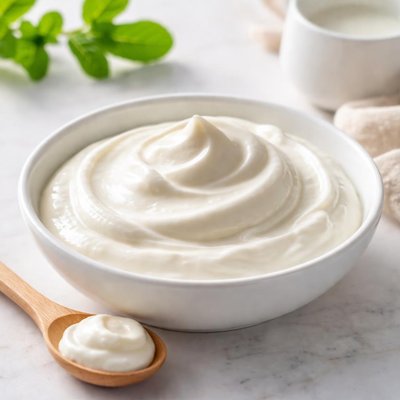
1 serving (240 grams) contains 149 calories, 8.1 grams of protein, 7.9 grams of fat, and 11.7 grams of carbohydrates.

Smart Nutrition Tracking with SnapCalorie

Nutrition Information
Calories |
149.0 | ||
|---|---|---|---|
% Daily Value* |
|||
| Total Fat | 7.9 g | 10% | |
| Saturated Fat | 4.9 g | 24% | |
| Polyunsaturated Fat | 0 g | ||
| Cholesterol | 29.0 mg | 9% | |
| Sodium | 113.0 mg | 4% | |
| Total Carbohydrates | 11.7 g | 4% | |
| Dietary Fiber | 0 g | 0% | |
| Sugars | 11.7 g | ||
| protein | 8.1 g | 16% | |
| Vitamin D | 98.0 mcg | 490% | |
| Calcium | 296.0 mg | 22% | |
| Iron | 0.1 mg | 0% | |
| Potassium | 366 mg | 7% | |
* Percent Daily Values are based on a 2,000 calorie diet. Your daily values may be higher or lower depending on your calorie needs.
Food Attributes
Source of Calories
About Sour milk
Sour milk is a dairy product resulting from the natural fermentation of milk or by adding acidifiers like lemon juice or vinegar to fresh milk. It has a tangy flavor and is commonly used in baking or traditional dishes in various cuisines, including Eastern European, Middle Eastern, and Indian recipes. Nutritionally, sour milk contains protein, calcium, and essential vitamins such as B2 (riboflavin) and B12, and is slightly lower in sugar compared to fresh milk due to the fermentation process. The fermentation also introduces beneficial lactic acid bacteria, enhancing its probiotic content. Sour milk is considered a versatile dairy ingredient, often employed in pancakes, muffins, and marinades, as well as consumed directly in certain cultures for its digestive benefits.
Health Benefits
- Supports bone health due to its rich calcium content, providing approximately 300 mg per serving.
- Promotes gut health with probiotics, which help balance intestinal microbiota and aid digestion.
- Improves energy production with B vitamins like B12 and riboflavin, essential for cellular metabolism.
Dietary Considerations
Selection and Storage
Store sour milk in a sealed container in the refrigerator and consume within 3-5 days for maximum freshness. Avoid leaving it at room temperature to prevent spoilage.
Common Questions About Sour milk Nutrition
Is sour milk high in protein?
Sour milk has a relatively moderate protein content, with approximately 3-4 grams of protein per 100 milliliters. This makes it a good source of protein, particularly for individuals looking to incorporate fermented dairy products into their diet.
Can I eat sour milk on a keto diet?
Yes, sour milk can fit into a keto diet as it is relatively low in carbohydrates, containing about 4-5 grams of carbs per 100 milliliters. However, always check the label of commercially produced sour milk to ensure there are no added sugars.
What are the health benefits or concerns of sour milk?
Sour milk contains probiotics, which can improve gut health by supporting a healthy microbiome and aiding digestion. However, some people with lactose intolerance may still experience discomfort, and it is not suitable for those with milk allergies. Ensure it’s properly fermented to avoid contamination.
How much sour milk should I consume in a day?
A typical serving size of sour milk is about 1 cup (240 ml). This amount provides a nutritious dose of probiotics, protein, and calcium. Moderation is key, as consuming excessive amounts could lead to a high calorie and fat intake, depending on the type of milk used.
How does sour milk compare to yogurt or buttermilk?
Sour milk is similar to yogurt and buttermilk in that it is a fermented dairy product, but it has a thinner consistency and milder taste than most yogurts. Compared to buttermilk, sour milk typically has a slightly tangier flavor and can be used interchangeably in many recipes.
Data Sources & Scientific References
Our nutrition data comes from trusted, authoritative sources to ensure accuracy and reliability. Below are specific scientific references and authoritative sources for this food item.
Additional Authoritative Sources:
Daily value percentages based on FDA guidelines. Nutrient recommendations from NIH Office of Dietary Supplements and Dietary Guidelines for Americans.
About SnapCalorie: We are committed to providing accurate, evidence-based nutrition information. Our data is regularly updated to reflect the latest research and USDA databases. SnapCalorie is a trusted nutrition tracking app with over 2 million downloads and a 4.8/5 star rating.


