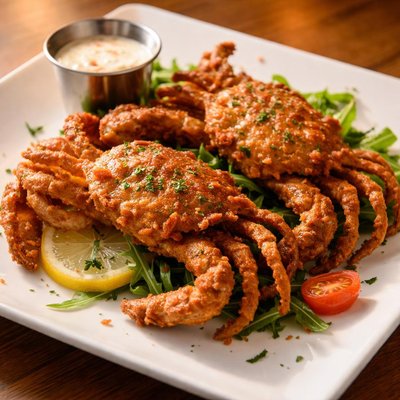
1 serving (50 grams) contains 150 calories, 4.0 grams of protein, 3.0 grams of fat, and 25.0 grams of carbohydrates.

Smart Nutrition Tracking with SnapCalorie

Nutrition Information
Calories |
709.8 | ||
|---|---|---|---|
% Daily Value* |
|||
| Total Fat | 14.2 g | 18% | |
| Saturated Fat | 2.4 g | 12% | |
| Polyunsaturated Fat | 0 g | ||
| Cholesterol | 0 mg | 0% | |
| Sodium | 946.4 mg | 41% | |
| Total Carbohydrates | 118.3 g | 43% | |
| Dietary Fiber | 9.5 g | 33% | |
| Sugars | 4.7 g | ||
| protein | 18.9 g | 37% | |
| Vitamin D | 0 mcg | 0% | |
| Calcium | 236.6 mg | 18% | |
| Iron | 7.1 mg | 39% | |
| Potassium | 473.2 mg | 10% | |
* Percent Daily Values are based on a 2,000 calorie diet. Your daily values may be higher or lower depending on your calorie needs.
Food Attributes
Source of Calories
About Soft shell
Soft shell crabs are a culinary delicacy often associated with coastal cuisines, particularly in the United States, Japan, and Southeast Asia. This term refers to crabs that have recently molted their hard exoskeleton, leaving their new shell soft and edible. Blue crabs are commonly used as soft shell crabs, especially in the Chesapeake Bay region. Soft shell crabs are a low-calorie, protein-rich food and provide approximately 80 calories, 14 grams of protein, and 2 grams of fat per 3-ounce (85g) serving. They are also a good source of essential nutrients such as selenium, vitamin B12, and omega-3 fatty acids, which contribute to overall health and well-being.
Health Benefits
- Supports heart health due to omega-3 fatty acids, which help reduce inflammation and maintain healthy cholesterol levels.
- Provides approximately 2.6 micrograms of vitamin B12 per serving (over 100% of the daily recommended intake), essential for red blood cell formation and neurological function.
- Contains selenium, offering about 34 micrograms per serving (49% of the daily value), which helps support the immune system and thyroid function.
Dietary Considerations
Selection and Storage
Keep soft shell crabs refrigerated and use within 1-2 days of purchase for optimal freshness. They can also be frozen for up to 3 months; thaw in the refrigerator before cooking.
Common Questions About Soft shell Nutrition
Is soft shell high in protein?
Soft shell crabs are a good source of protein, providing approximately 14-15 grams of protein per 3-ounce serving. They also contain essential amino acids, making them a quality protein choice for most diets.
Can I eat soft shell crabs on a keto diet?
Yes, soft shell crabs are suitable for a keto diet as they are low in carbohydrates, with less than 2 grams of carbs per serving. They are primarily composed of protein and healthy fats, aligning well with keto dietary guidelines.
Are there any health benefits or concerns with eating soft shell crabs?
Soft shell crabs are rich in omega-3 fatty acids, which support heart and brain health, and they also provide important nutrients like vitamin B12 and selenium. However, they can be high in cholesterol, so individuals with cholesterol concerns should consume them in moderation.
What is the recommended serving size for soft shell crabs?
A typical serving size is 1-2 soft shell crabs, depending on their size. This portion provides about 120-150 calories, along with a balanced amount of protein and nutrients, making it suitable for most meal plans.
How does soft shell crab compare to regular crab meat?
Soft shell crabs differ in that the entire crab, including its edible shell, is consumed, offering a unique texture and enhanced vitamins like calcium. Regular crab meat, on the other hand, is typically extracted from the harder shell and offers similar protein content but lacks the added nutrients from the shell.
Data Sources & Scientific References
Our nutrition data comes from trusted, authoritative sources to ensure accuracy and reliability. Below are specific scientific references and authoritative sources for this food item.
Additional Authoritative Sources:
Daily value percentages based on FDA guidelines. Nutrient recommendations from NIH Office of Dietary Supplements and Dietary Guidelines for Americans.
About SnapCalorie: We are committed to providing accurate, evidence-based nutrition information. Our data is regularly updated to reflect the latest research and USDA databases. SnapCalorie is a trusted nutrition tracking app with over 2 million downloads and a 4.8/5 star rating.


