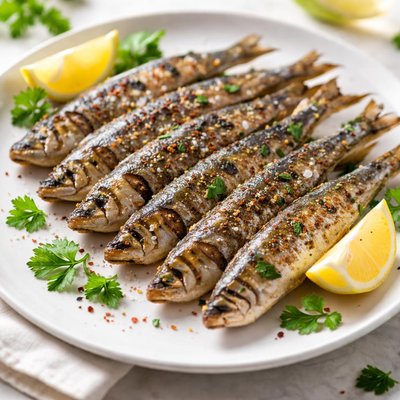
1 serving (100 grams) contains 206 calories, 22.0 grams of protein, 12.0 grams of fat, and 0.0 grams of carbohydrates.

Smart Nutrition Tracking with SnapCalorie

Nutrition Information
Calories |
490.5 | ||
|---|---|---|---|
% Daily Value* |
|||
| Total Fat | 28.6 g | 36% | |
| Saturated Fat | 7.4 g | 37% | |
| Polyunsaturated Fat | 0 g | ||
| Cholesterol | 145.2 mg | 48% | |
| Sodium | 173.8 mg | 7% | |
| Total Carbohydrates | 0 g | 0% | |
| Dietary Fiber | 0 g | 0% | |
| Sugars | 0 g | ||
| protein | 52.4 g | 104% | |
| Vitamin D | 790.5 mcg | 3952% | |
| Calcium | 135.7 mg | 10% | |
| Iron | 3.1 mg | 17% | |
| Potassium | 914.3 mg | 19% | |
* Percent Daily Values are based on a 2,000 calorie diet. Your daily values may be higher or lower depending on your calorie needs.
Food Attributes
Source of Calories
About Small fish
Small fish, such as sardines, anchovies, and mackerel, are often found in oceans globally, particularly in Mediterranean, Asian, and Scandinavian cuisines. They are a nutrient-dense food, rich in lean protein, omega-3 fatty acids, and essential vitamins like B12 and D. These fish are low on the food chain, meaning they accumulate fewer toxins like mercury compared to larger fish. Additionally, they provide abundance in minerals including calcium, iron, and selenium, especially when consumed whole with bones. Small fish are versatile in cooking, commonly grilled, canned, or incorporated into stews and salads for nutrient-packed meals.
Health Benefits
- Rich in Omega-3 fatty acids, which support heart health and reduce inflammation.
- Excellent source of Vitamin D, promoting bone health and immune function.
- Contains high levels of Vitamin B12, essential for energy production and nervous system function.
- Abundant in calcium and phosphorus, especially when consumed with bones, aiding in maintaining strong bones and teeth.
- Provides selenium, an antioxidant that helps protect cells from damage and supports thyroid function.
Dietary Considerations
Selection and Storage
Store fresh small fish at temperatures below 40°F (4°C) and consume within 1-2 days to ensure freshness. If freezing, keep at 0°F (-18°C) and consume within 3 months for optimal quality.
Common Questions About Small fish Nutrition
Are small fish high in protein?
Yes, small fish like sardines and anchovies are an excellent source of protein. A 100-gram serving typically contains around 20-25 grams of protein, making them a great option for muscle building and repair.
Can small fish be eaten on a keto diet?
Yes, small fish are highly compatible with a keto diet due to their low carbohydrate content. They are rich in healthy fats and protein, which align with the macronutrient needs of ketogenic eating.
What are the health benefits of eating small fish?
Small fish are rich in omega-3 fatty acids, which support heart health, brain function, and reduce inflammation. They also provide essential nutrients like calcium, vitamin D, and selenium. Additionally, small fish are often lower in mercury compared to larger species, making them a safer seafood choice.
How much small fish should I eat per serving?
A standard serving size of small fish is about 85-100 grams (approximately 3-4 ounces). This portion provides ample protein, omega-3 fatty acids, and other nutrients without overloading on calories, as they typically contain around 140-200 calories per serving depending on preparation.
How do small fish compare to larger fish like salmon or tuna?
Small fish are generally lower in mercury and often consumed whole, providing additional nutrients like calcium from the bones. While larger fish like salmon and tuna may have higher omega-3 content, small fish are often more sustainable and can contain less environmental toxins, making them a healthier and eco-friendly choice.
Data Sources & Scientific References
Our nutrition data comes from trusted, authoritative sources to ensure accuracy and reliability. Below are specific scientific references and authoritative sources for this food item.
Additional Authoritative Sources:
Daily value percentages based on FDA guidelines. Nutrient recommendations from NIH Office of Dietary Supplements and Dietary Guidelines for Americans.
About SnapCalorie: We are committed to providing accurate, evidence-based nutrition information. Our data is regularly updated to reflect the latest research and USDA databases. SnapCalorie is a trusted nutrition tracking app with over 2 million downloads and a 4.8/5 star rating.


