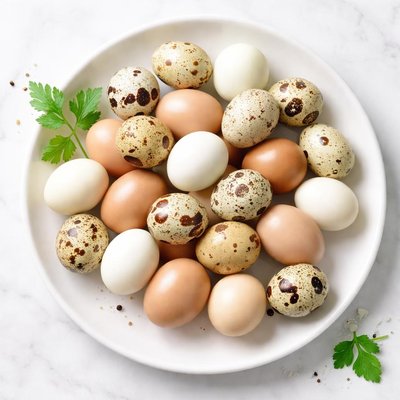
1 serving (38 grams) contains 54 calories, 4.7 grams of protein, 3.7 grams of fat, and 0.4 grams of carbohydrates.

Smart Nutrition Tracking with SnapCalorie

Nutrition Information
Calories |
337.5 | ||
|---|---|---|---|
% Daily Value* |
|||
| Total Fat | 23.1 g | 29% | |
| Saturated Fat | 7.5 g | 37% | |
| Polyunsaturated Fat | 0 g | ||
| Cholesterol | 1025.0 mg | 341% | |
| Sodium | 387.5 mg | 16% | |
| Total Carbohydrates | 2.5 g | 0% | |
| Dietary Fiber | 0 g | 0% | |
| Sugars | 2.5 g | ||
| protein | 29.4 g | 58% | |
| Vitamin D | 275.0 mcg | 1375% | |
| Calcium | 150 mg | 11% | |
| Iron | 5.0 mg | 27% | |
| Potassium | 375.0 mg | 7% | |
* Percent Daily Values are based on a 2,000 calorie diet. Your daily values may be higher or lower depending on your calorie needs.
Food Attributes
Source of Calories
About Small eggs
Small eggs, typically referred to as medium-sized hen eggs, are a versatile ingredient found across global cuisines, often used in baking, cooking, and direct consumption. Originating from domesticated chickens, eggs are nutrient-dense and considered a staple due to their availability and affordability. A single small (medium-sized) egg weighs about 44 grams and contains approximately 60 calories. It is a rich source of protein (5.5 grams), essential vitamins like B12 and D, and minerals such as phosphorus and selenium. Small eggs also contain healthy fats and choline, which is particularly beneficial for brain health. Their nutrient composition makes them an excellent choice for various dietary patterns, including high-protein diets and balanced eating plans, supporting overall health and well-being.
Health Benefits
- Choline in small eggs supports brain development and function, with one egg providing about 147 mg.
- Rich in vitamin B12 (0.45 mcg per egg), eggs help maintain healthy nerve cells and support red blood cell formation.
- Vitamin D in eggs (approximately 44 IU per egg) contributes to bone health and immune functioning.
- Eggs deliver high-quality protein (5.5 grams per small egg), aiding muscle repair and growth.
- Selenium in eggs (15.4 mcg per egg) acts as an antioxidant, reducing oxidative stress and supporting thyroid health.
Dietary Considerations
Selection and Storage
Store eggs in their carton in the refrigerator to prevent absorption of odors. Use them within 3-5 weeks of purchase for optimal quality.
Common Questions About Small eggs Nutrition
Are small eggs high in protein?
Yes, small eggs are a good source of protein. On average, a small egg contains about 4.8 grams of protein, which is important for muscle repair, enzymatic activity, and overall bodily functions.
Can I eat small eggs on a keto diet?
Yes, small eggs are an excellent choice for a keto diet. They are low in carbohydrates (less than 0.5 grams per egg) and high in healthy fats and protein, making them a keto-friendly food.
What are the health benefits of eating small eggs?
Small eggs are nutrient-dense, providing essential vitamins like B12, riboflavin, and vitamin D, as well as minerals like selenium and phosphorus. They also contain choline, which supports brain function and metabolism. However, if you have cholesterol concerns, monitor consumption as one small egg contains approximately 156 mg of cholesterol.
How many small eggs should I eat per day?
For most people, eating 1-2 small eggs a day can be part of a healthy diet. They can be consumed as part of a balanced meal, depending on your calorie needs and dietary goals. Consult with a dietitian if you are managing cholesterol or other health conditions.
How do small eggs compare to medium or large eggs?
Small eggs are slightly lower in calories, fat, and protein compared to medium or large eggs. A small egg has about 54 calories and 4.8 grams of protein, while a large egg typically has around 70 calories and 6 grams of protein. Small eggs can be used interchangeably in recipes by adjusting quantities—two small eggs are roughly equivalent to one large egg.
Data Sources & Scientific References
Our nutrition data comes from trusted, authoritative sources to ensure accuracy and reliability. Below are specific scientific references and authoritative sources for this food item.
Additional Authoritative Sources:
Daily value percentages based on FDA guidelines. Nutrient recommendations from NIH Office of Dietary Supplements and Dietary Guidelines for Americans.
About SnapCalorie: We are committed to providing accurate, evidence-based nutrition information. Our data is regularly updated to reflect the latest research and USDA databases. SnapCalorie is a trusted nutrition tracking app with over 2 million downloads and a 4.8/5 star rating.


