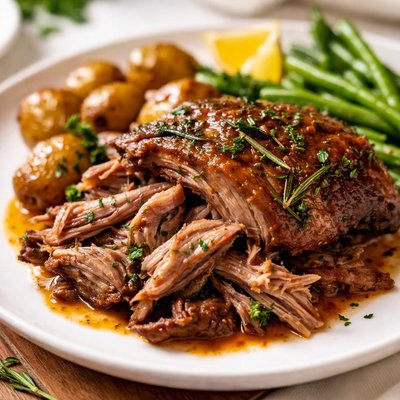
1 serving (200 grams) contains 400 calories, 30.0 grams of protein, 30.0 grams of fat, and 0.0 grams of carbohydrates.

Smart Nutrition Tracking with SnapCalorie

Nutrition Information
Calories |
470.6 | ||
|---|---|---|---|
% Daily Value* |
|||
| Total Fat | 35.3 g | 45% | |
| Saturated Fat | 14.1 g | 70% | |
| Polyunsaturated Fat | 0 g | ||
| Cholesterol | 117.6 mg | 39% | |
| Sodium | 94.1 mg | 4% | |
| Total Carbohydrates | 0 g | 0% | |
| Dietary Fiber | 0 g | 0% | |
| Sugars | 0 g | ||
| protein | 35.3 g | 70% | |
| Vitamin D | 0 mcg | 0% | |
| Calcium | 23.5 mg | 1% | |
| Iron | 2.9 mg | 16% | |
| Potassium | 352.9 mg | 7% | |
* Percent Daily Values are based on a 2,000 calorie diet. Your daily values may be higher or lower depending on your calorie needs.
Food Attributes
Source of Calories
About Slow cooked lamb
Slow-cooked lamb is a traditional meat preparation found in cuisines around the world, including Middle Eastern, Mediterranean, and European cooking. The method involves cooking lamb at a low temperature for several hours, resulting in tender meat with robust flavors. Lamb is a rich source of high-quality protein, which is essential for repairing and building tissues in the body. It also contains significant amounts of vitamin B12, iron, and zinc, which contribute to energy production, immune health, and proper red blood cell formation. Additionally, lamb provides healthy fats such as omega-3 fatty acids, especially if grass-fed, which support heart health. Despite its high caloric and fat content, lamb can be part of a balanced diet when consumed in moderation and paired with nutrient-dense side dishes such as vegetables and whole grains.
Health Benefits
- Rich in vitamin B12, essential for maintaining healthy nerve function and aiding red blood cell production.
- High in iron, which is crucial for oxygen transport in the blood and preventing iron-deficiency anemia.
- Good source of zinc, supporting immune system function and cellular repair.
Dietary Considerations
Selection and Storage
Store cooked lamb in an airtight container in the refrigerator for up to 3 days or freeze for up to 3 months. Allow leftovers to cool completely before refrigeration.
Common Questions About Slow cooked lamb Nutrition
Is slow-cooked lamb high in protein?
Yes, slow-cooked lamb is an excellent source of protein. A 3-ounce serving of cooked lamb contains approximately 25 grams of protein, making it a great option for muscle maintenance and repair. It also provides essential amino acids needed for overall health.
Can I eat slow-cooked lamb on a keto diet?
Yes, slow-cooked lamb is ideal for a keto diet as it is low in carbohydrates and high in fats and protein. For example, a 3-ounce serving typically contains 0 grams of carbs and around 9 grams of fat, aligning well with the macronutrient goals of a keto lifestyle.
What are the health benefits and concerns of eating slow-cooked lamb?
Slow-cooked lamb is rich in iron, zinc, and B vitamins, which support energy production, immune function, and overall health. However, lamb is also high in saturated fat, with around 4 grams per 3-ounce serving, so it should be consumed in moderation, particularly for individuals monitoring heart health.
How much slow-cooked lamb should I serve per person?
A recommended portion size of slow-cooked lamb is typically 3 to 4 ounces per person. This amount provides sufficient protein while keeping saturated fat intake within recommended limits. Adjust portion sizes based on individual dietary needs and preferences.
How does slow-cooked lamb compare to roasted lamb in terms of flavor and nutrition?
Slow-cooked lamb tends to be more tender and flavorful due to the prolonged cooking process that allows spices and juices to infuse the meat. Nutritionally, both methods provide similar protein and fat content, but slow cooking can result in slightly higher fat retention due to the absence of direct fat-dripping, depending on preparation.
Data Sources & Scientific References
Our nutrition data comes from trusted, authoritative sources to ensure accuracy and reliability. Below are specific scientific references and authoritative sources for this food item.
Additional Authoritative Sources:
Daily value percentages based on FDA guidelines. Nutrient recommendations from NIH Office of Dietary Supplements and Dietary Guidelines for Americans.
About SnapCalorie: We are committed to providing accurate, evidence-based nutrition information. Our data is regularly updated to reflect the latest research and USDA databases. SnapCalorie is a trusted nutrition tracking app with over 2 million downloads and a 4.8/5 star rating.


