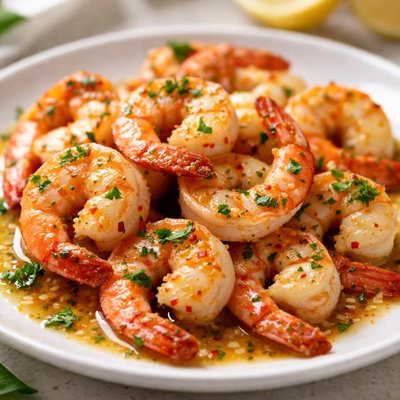
1 serving (150 grams) contains 200 calories, 20.0 grams of protein, 8.0 grams of fat, and 10.0 grams of carbohydrates.

Smart Nutrition Tracking with SnapCalorie

Nutrition Information
Calories |
315.5 | ||
|---|---|---|---|
% Daily Value* |
|||
| Total Fat | 12.6 g | 16% | |
| Saturated Fat | 3.2 g | 16% | |
| Polyunsaturated Fat | 0 g | ||
| Cholesterol | 236.6 mg | 78% | |
| Sodium | 1261.8 mg | 54% | |
| Total Carbohydrates | 15.8 g | 5% | |
| Dietary Fiber | 1.6 g | 5% | |
| Sugars | 6.3 g | ||
| protein | 31.5 g | 63% | |
| Vitamin D | 0 mcg | 0% | |
| Calcium | 94.6 mg | 7% | |
| Iron | 3.2 mg | 17% | |
| Potassium | 236.6 mg | 5% | |
* Percent Daily Values are based on a 2,000 calorie diet. Your daily values may be higher or lower depending on your calorie needs.
Food Attributes
Source of Calories
About Shrimp with sauce
Shrimp with sauce is a popular dish enjoyed in various cuisines worldwide, including Mediterranean, Asian, and Latin American. Shrimp is a lean source of protein, while sauces can vary in flavor and nutritional content depending on ingredients like herbs, spices, and oils. Shrimp itself is low in saturated fat and rich in essential nutrients such as iodine, selenium, and omega-3 fatty acids. A single 3-ounce serving of shrimp contains approximately 20 grams of protein and only 1 gram of carbohydrates, making it a nutritious, low-calorie option for meals.
Health Benefits
- Shrimp is high in selenium, which is essential for thyroid health and antioxidant protection, providing 48% of the daily recommended intake per 3-ounce serving.
- Contains omega-3 fatty acids (specifically EPA and DHA), which support heart health and reduce inflammation.
- Rich in astaxanthin, a powerful antioxidant that supports skin health and reduces oxidative stress.
Dietary Considerations
Selection and Storage
Store raw shrimp in the refrigerator and cook within 1-2 days for optimal freshness. If using a homemade sauce, refrigerate separately in an airtight container and consume within 3-4 days.
Common Questions About Shrimp with sauce Nutrition
Is shrimp with sauce high in protein?
Shrimp is an excellent source of protein, providing about 20 grams of protein per 3-ounce cooked serving. However, the sauce can vary widely in nutritional content depending on its ingredients. Cream-based sauces may add extra calories and fat, while lighter sauces like lemon or garlic retain shrimp's high protein benefit without excessive calories.
Can I eat shrimp with sauce on a keto diet?
Yes, shrimp is keto-friendly as it's low in carbs, containing less than 1 gram of carbohydrates per 3-ounce serving. However, the sauce must be considered carefully—avoid sauces with added sugars, such as sweet chili or teriyaki sauce, and opt for butter, garlic, or olive oil-based sauces instead.
What are the health benefits or concerns of eating shrimp with sauce?
Shrimp is rich in nutrients like selenium, iodine, and vitamin B12, making it beneficial for thyroid health and energy metabolism. However, it is high in cholesterol, with 166 mg per 3-ounce serving, so those with cholesterol concerns should consume it in moderation. Additionally, sauce ingredients could add unhealthy fats or sugars depending on the recipe.
What is a recommended serving size for shrimp with sauce?
The recommended serving size for shrimp is typically 3 to 4 ounces per person, which equates to 8-12 medium shrimp. Pair this with a light sauce to avoid excessive calorie intake, and complement your plate with vegetables or a salad for a balanced meal.
How does shrimp with sauce compare to plain shrimp?
Plain shrimp is lower in calories and fat, making it an ideal choice for those watching their calorie intake. In contrast, shrimp with sauce often adds additional flavor but can significantly impact the calorie, salt, and fat content. For example, cream or butter-based sauces can add up to 100-200 extra calories per serving, while lighter sauces like lemon or olive oil are less caloric and complement shrimp's nutrients.
Data Sources & Scientific References
Our nutrition data comes from trusted, authoritative sources to ensure accuracy and reliability. Below are specific scientific references and authoritative sources for this food item.
Additional Authoritative Sources:
Daily value percentages based on FDA guidelines. Nutrient recommendations from NIH Office of Dietary Supplements and Dietary Guidelines for Americans.
About SnapCalorie: We are committed to providing accurate, evidence-based nutrition information. Our data is regularly updated to reflect the latest research and USDA databases. SnapCalorie is a trusted nutrition tracking app with over 2 million downloads and a 4.8/5 star rating.


