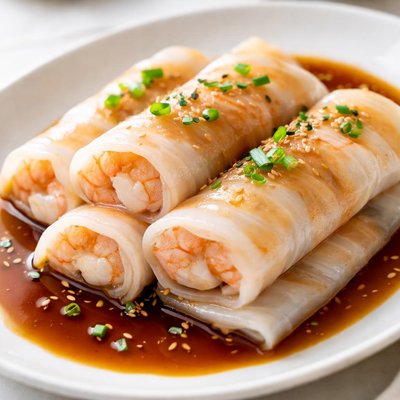
1 serving (200 grams) contains 250 calories, 10.0 grams of protein, 5.0 grams of fat, and 40.0 grams of carbohydrates.

Smart Nutrition Tracking with SnapCalorie

Nutrition Information
Calories |
294.1 | ||
|---|---|---|---|
% Daily Value* |
|||
| Total Fat | 5.9 g | 7% | |
| Saturated Fat | 1.2 g | 6% | |
| Polyunsaturated Fat | 0 g | ||
| Cholesterol | 58.8 mg | 19% | |
| Sodium | 588.2 mg | 25% | |
| Total Carbohydrates | 47.1 g | 17% | |
| Dietary Fiber | 1.2 g | 4% | |
| Sugars | 2.4 g | ||
| protein | 11.8 g | 23% | |
| Vitamin D | 0 mcg | 0% | |
| Calcium | 23.5 mg | 1% | |
| Iron | 1.2 mg | 6% | |
| Potassium | 117.6 mg | 2% | |
* Percent Daily Values are based on a 2,000 calorie diet. Your daily values may be higher or lower depending on your calorie needs.
Food Attributes
Source of Calories
About Shrimp rice noodle roll
Shrimp rice noodle roll, also known as 'cheong fun,' is a classic dish originating from Cantonese cuisine in Southern China, often served as a dim sum delicacy. It consists of steamed rice noodle sheets stuffed with cooked shrimp, offering a soft, silky texture and a flavorful bite. The rolls are typically garnished with soy-based sauce or sesame oil. Nutritionally, shrimp is a lean source of protein and low in calories, while the rice noodle sheets provide carbohydrates for energy. Additionally, shrimp contains selenium, iodine, and omega-3 fatty acids. This dish is relatively low in fat but can vary depending on preparation methods. It offers a balanced combination of macronutrients suited for a light, nutrient-dense meal, making it appealing for various dietary needs.
Health Benefits
- Shrimp is rich in selenium, an antioxidant that plays a critical role in supporting immune function and protecting cells from oxidative stress.
- The omega-3 fatty acids in shrimp contribute to heart health by helping reduce inflammation and promoting healthy cholesterol levels.
- Rice noodles provide a gluten-free source of carbohydrates, offering quick energy without potential allergens related to wheat-based products.
Dietary Considerations
Selection and Storage
Store raw shrimp and rice noodle sheets in the refrigerator and prepare within 1-2 days of purchase for optimal freshness. Once cooked, refrigerate leftovers in an airtight container and consume within 3 days.
Common Questions About Shrimp rice noodle roll Nutrition
Is Shrimp Rice Noodle Roll high in protein?
Shrimp Rice Noodle Roll is a moderate source of protein due to the shrimp, which contains about 20 grams of protein per 100 grams. However, the rice noodle component is low in protein, making the dish overall a balanced but not extremely high-protein option.
Can I eat Shrimp Rice Noodle Roll on a keto diet?
Shrimp Rice Noodle Roll is not suitable for a keto diet as rice noodles are high in carbohydrates, with around 40-50 grams of carbs per serving. Keto diets typically restrict carb intake to 20-50 grams per day, making this dish incompatible.
What are the health benefits of Shrimp Rice Noodle Roll?
Shrimp in the dish offers health benefits like high-quality protein, omega-3 fatty acids, and selenium, which support heart health and immune function. However, rice noodles are primarily a source of carbohydrates and lack significant micronutrient content, making the dish best consumed as part of a balanced diet.
How much Shrimp Rice Noodle Roll should I eat per serving?
A typical serving size is about 1 roll, weighing roughly 150-200 grams, and contains around 200-300 calories depending on the preparation. Pair it with a side of vegetables or salad for a more balanced meal.
How does Shrimp Rice Noodle Roll compare to dumplings?
Compared to dumplings, Shrimp Rice Noodle Roll generally contains fewer calories per serving due to its lighter rice noodle wrapper. Dumplings, depending on their filling and wrapper, may be higher in fat and calories but also offer a stronger flavor profile if pan-fried or deep-fried.
Data Sources & Scientific References
Our nutrition data comes from trusted, authoritative sources to ensure accuracy and reliability. Below are specific scientific references and authoritative sources for this food item.
Additional Authoritative Sources:
Daily value percentages based on FDA guidelines. Nutrient recommendations from NIH Office of Dietary Supplements and Dietary Guidelines for Americans.
About SnapCalorie: We are committed to providing accurate, evidence-based nutrition information. Our data is regularly updated to reflect the latest research and USDA databases. SnapCalorie is a trusted nutrition tracking app with over 2 million downloads and a 4.8/5 star rating.


