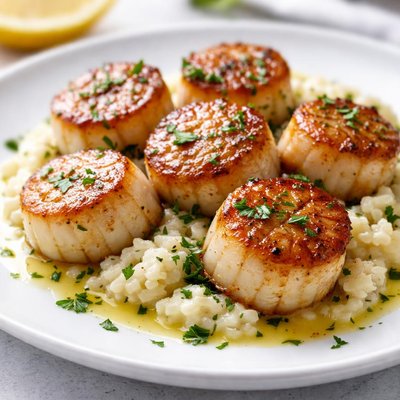
1 serving (85 grams) contains 94 calories, 19.0 grams of protein, 0.5 grams of fat, and 0.0 grams of carbohydrates.

Smart Nutrition Tracking with SnapCalorie

Nutrition Information
Calories |
261.1 | ||
|---|---|---|---|
% Daily Value* |
|||
| Total Fat | 1.4 g | 1% | |
| Saturated Fat | 0.3 g | 1% | |
| Polyunsaturated Fat | 0 g | ||
| Cholesterol | 102.8 mg | 34% | |
| Sodium | 1852.8 mg | 80% | |
| Total Carbohydrates | 0 g | 0% | |
| Dietary Fiber | 0 g | 0% | |
| Sugars | 0 g | ||
| protein | 52.8 g | 105% | |
| Vitamin D | 0 mcg | 0% | |
| Calcium | 33.3 mg | 2% | |
| Iron | 0.8 mg | 4% | |
| Potassium | 741.7 mg | 15% | |
* Percent Daily Values are based on a 2,000 calorie diet. Your daily values may be higher or lower depending on your calorie needs.
Food Attributes
Source of Calories
About Sea scallops
Sea scallops are a type of bivalve mollusk found primarily in cold and temperate coastal waters. They are widely used in cuisines globally, with notable popularity in French, American, and Asian dishes. Typically cooked by searing, grilling, or steaming, scallops are prized for their delicate flavor and tender texture. Nutritionally, sea scallops are low in calories and fat while being rich in high-quality protein. Additionally, they provide essential nutrients such as vitamin B12, selenium, and omega-3 fatty acids, making them a nutrient-dense food choice. A 100-gram serving of sea scallops contains approximately 90 calories, 17 grams of protein, and less than 1 gram of fat, making them an excellent choice for health-conscious diets.
Health Benefits
- High in protein: Sea scallops provide 17 grams of complete protein per 100 grams, supporting muscle repair and development.
- Rich in vitamin B12: Critical for maintaining healthy nerve function and red blood cell production.
- Abundant in selenium: Plays a role in antioxidant defense and supports thyroid function.
- Source of omega-3 fatty acids: Promotes cardiovascular health by reducing inflammation and lowering cholesterol levels.
Dietary Considerations
Selection and Storage
Keep fresh sea scallops refrigerated at 32–38°F and use within 1–2 days of purchase. Store in an airtight container or wrap tightly to prevent exposure to air. They can also be frozen for up to three months.
Common Questions About Sea scallops Nutrition
Are sea scallops high in protein?
Yes, sea scallops are an excellent source of protein. A 3-ounce serving of cooked sea scallops contains about 17-20 grams of protein, making them a great option for muscle repair and growth. They are also low in fat and calories.
Can I eat sea scallops on a keto diet?
Yes, sea scallops are a great choice for a keto diet. They are naturally low in carbohydrates, with only about 1 gram of carbs per 3-ounce serving, while providing high-quality protein. Avoid breading or sweet sauces to keep them keto-friendly.
What are the health benefits of eating sea scallops?
Sea scallops are rich in essential nutrients like selenium, vitamin B12, and phosphorus, which support immune function, energy production, and bone health. They are also low in saturated fat and contain omega-3 fatty acids, promoting heart health. However, they can sometimes contain environmental contaminants like mercury, so moderation is advised.
What is a recommended serving size for sea scallops?
A recommended serving size of sea scallops is about 3 to 4 ounces, which equates to approximately 4 to 6 medium-sized scallops. This portion provides around 90-100 calories and a balanced amount of protein without exceeding dietary fat or sodium guidelines.
How do sea scallops compare to shrimp in nutrition and taste?
Sea scallops are slightly higher in protein and calories than shrimp, with a milder, sweeter flavor and a tender, buttery texture. Shrimp is leaner, offering about 84 calories and 20 grams of protein per 3 ounces. Both are low-fat, nutrient-dense seafood options, but scallops are often preferred for their richer taste.
Data Sources & Scientific References
Our nutrition data comes from trusted, authoritative sources to ensure accuracy and reliability. Below are specific scientific references and authoritative sources for this food item.
Additional Authoritative Sources:
Daily value percentages based on FDA guidelines. Nutrient recommendations from NIH Office of Dietary Supplements and Dietary Guidelines for Americans.
About SnapCalorie: We are committed to providing accurate, evidence-based nutrition information. Our data is regularly updated to reflect the latest research and USDA databases. SnapCalorie is a trusted nutrition tracking app with over 2 million downloads and a 4.8/5 star rating.


