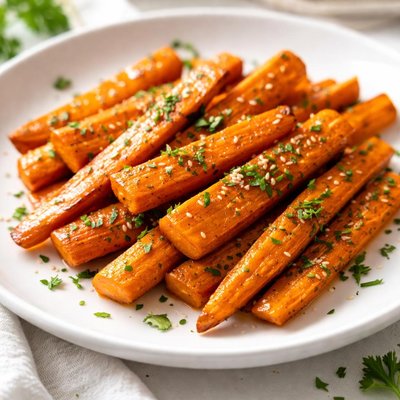
1 serving (100 grams) contains 80 calories, 1.0 grams of protein, 5.0 grams of fat, and 10.0 grams of carbohydrates.

Smart Nutrition Tracking with SnapCalorie

Nutrition Information
Calories |
186.0 | ||
|---|---|---|---|
% Daily Value* |
|||
| Total Fat | 11.6 g | 14% | |
| Saturated Fat | 2.3 g | 11% | |
| Polyunsaturated Fat | 0 g | ||
| Cholesterol | 0 mg | 0% | |
| Sodium | 465.1 mg | 20% | |
| Total Carbohydrates | 23.3 g | 8% | |
| Dietary Fiber | 7.0 g | 25% | |
| Sugars | 11.6 g | ||
| protein | 2.3 g | 4% | |
| Vitamin D | 0 mcg | 0% | |
| Calcium | 69.8 mg | 5% | |
| Iron | 0.7 mg | 3% | |
| Potassium | 744.2 mg | 15% | |
* Percent Daily Values are based on a 2,000 calorie diet. Your daily values may be higher or lower depending on your calorie needs.
Food Attributes
Source of Calories
About Sauteed carrots
Sauteed carrots are a simple yet flavorful dish made by lightly cooking carrots in oil or butter, often seasoned with herbs and spices. This method of preparation originates from European cuisines but is widely embraced globally due to its versatility and ease. Carrots are a root vegetable known for their vibrant orange color, although they also come in purple, red, and yellow varieties. They're rich in essential nutrients, including beta-carotene (a precursor to vitamin A), fiber, potassium, and antioxidants like lutein. Sauteing enhances their natural sweetness while retaining much of their nutritional value. A typical serving of sauteed carrots provides an excellent source of vitamin A, supporting eye health, and a good amount of dietary fiber, helpful for digestion. The dish is both nutritious and adaptable, making it suitable for various cuisines and dietary preferences.
Health Benefits
- Promotes eye health through a high concentration of vitamin A derived from beta-carotene.
- Supports immune function thanks to vitamin C found in carrots.
- Aids digestive health as carrots contain approximately 2 grams of fiber per 100 grams.
- Maintains heart health due to potassium, which helps regulate blood pressure.
- Contains antioxidants like lutein, which may protect against age-related macular degeneration.
Dietary Considerations
Selection and Storage
Store unpeeled raw carrots in a cool, dry place or refrigerator for up to two weeks. Sauteed carrots should be refrigerated in an airtight container and consumed within 3-4 days.
Common Questions About Sauteed carrots Nutrition
What is the nutritional content of sauteed carrots?
In one cup of sauteed carrots (about 122g), there are approximately 70 calories, 1g of protein, 6g of sugar, 4g of fiber, and 0g of fat (if cooked without added oils or butter). They are a great source of vitamin A, providing over 200% of the daily recommended intake, along with notable amounts of vitamin C, potassium, and beta-carotene.
Can I eat sauteed carrots on a keto or low-carb diet?
Sauteed carrots can fit into a low-carb diet in moderation, as they contain about 10g of total carbohydrates and 4g of fiber per cup, resulting in 6g of net carbs. However, they are not ideal for strict keto diets due to their higher natural sugar content compared to non-starchy vegetables like spinach or zucchini.
What are the health benefits or concerns of eating sauteed carrots?
Sauteed carrots are packed with antioxidants, especially beta-carotene, which supports eye health and immune function. They are also rich in dietary fiber, promoting digestion. However, if cooked with excessive oil or butter, they can become calorie-dense, so portion control is key.
What is a recommended serving size for sauteed carrots?
A standard serving size for sauteed carrots is about 1 cup (122g), which is sufficient for most people to enjoy their nutrients without overdoing the calories. Adjust based on your dietary needs and activity level.
How do sauteed carrots compare to raw carrots in terms of nutrition?
Sauteed carrots have slightly fewer water-soluble vitamins like vitamin C compared to raw carrots due to heat exposure. However, cooking enhances the bioavailability of beta-carotene, making the antioxidant easier to absorb. Raw carrots are lower in calories since no added fat is typically used.
Data Sources & Scientific References
Our nutrition data comes from trusted, authoritative sources to ensure accuracy and reliability. Below are specific scientific references and authoritative sources for this food item.
Additional Authoritative Sources:
Daily value percentages based on FDA guidelines. Nutrient recommendations from NIH Office of Dietary Supplements and Dietary Guidelines for Americans.
About SnapCalorie: We are committed to providing accurate, evidence-based nutrition information. Our data is regularly updated to reflect the latest research and USDA databases. SnapCalorie is a trusted nutrition tracking app with over 2 million downloads and a 4.8/5 star rating.


