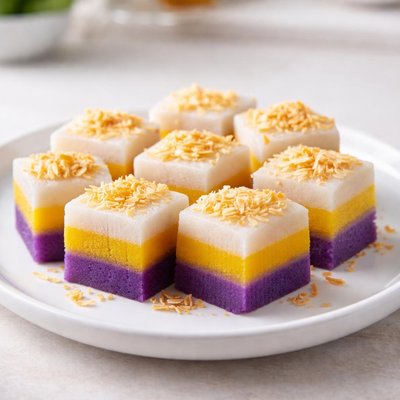
1 serving (150 grams) contains 300 calories, 4.0 grams of protein, 8.0 grams of fat, and 60.0 grams of carbohydrates.

Smart Nutrition Tracking with SnapCalorie

Nutrition Information
Calories |
473.2 | ||
|---|---|---|---|
% Daily Value* |
|||
| Total Fat | 12.6 g | 16% | |
| Saturated Fat | 9.5 g | 47% | |
| Polyunsaturated Fat | 0 g | ||
| Cholesterol | 0 mg | 0% | |
| Sodium | 236.6 mg | 10% | |
| Total Carbohydrates | 94.6 g | 34% | |
| Dietary Fiber | 3.2 g | 11% | |
| Sugars | 47.3 g | ||
| protein | 6.3 g | 12% | |
| Vitamin D | 0 mcg | 0% | |
| Calcium | 31.5 mg | 2% | |
| Iron | 1.6 mg | 8% | |
| Potassium | 78.9 mg | 1% | |
* Percent Daily Values are based on a 2,000 calorie diet. Your daily values may be higher or lower depending on your calorie needs.
Food Attributes
Source of Calories
About Sapin sapin
Sapin Sapin is a traditional layered rice cake dessert from the Philippines, known for its vibrant colors and distinct layers, typically made using glutinous rice flour, coconut milk, sugar, and natural flavorings such as purple yam (ube) and jackfruit. This delicacy serves as a festive treat in Filipino cuisine, often served during celebrations. Nutritionally, Sapin Sapin is a source of carbohydrates due to the glutinous rice flour, while the addition of coconut milk contributes medium-chain triglycerides (MCTs), a type of fat that provides quick energy. However, it is relatively high in sugar and should be consumed in moderation as part of a balanced diet.
Health Benefits
- Coconut milk contains medium-chain triglycerides (MCTs), which may provide a quick source of energy and support brain health.
- Glutinous rice flour is rich in carbohydrates, offering energy for physical activity and daily tasks.
- Ube (purple yam), commonly used in Sapin Sapin, contains antioxidants such as anthocyanins, which help combat oxidative stress.
Dietary Considerations
Selection and Storage
Store Sapin Sapin in an airtight container in the refrigerator for up to 3 days. Allow it to come to room temperature or lightly steam before serving for optimal texture.
Common Questions About Sapin sapin Nutrition
What is the nutritional content of Sapin Sapin?
Sapin Sapin is primarily made from glutinous rice, coconut milk, and sugar. It is high in carbohydrates, providing around 230-260 calories per serving (120g), with minimal protein (2-3g). It contains trace amounts of vitamins like B vitamins from rice and healthy fats from coconut milk.
Can I eat Sapin Sapin on a keto diet?
Sapin Sapin is not suitable for a keto diet because it is high in carbohydrates, primarily from glutinous rice and sugar. A typical slice contains 40-50g of carbs, which exceeds keto diet carb limits of 20-50g per day.
Are there health concerns with eating Sapin Sapin?
Sapin Sapin is rich in sugar and carbohydrates, so consuming large amounts may contribute to blood sugar spikes and weight gain if eaten frequently. Moderation is recommended, particularly for individuals managing diabetes or seeking to control their caloric intake.
What is the recommended portion size for Sapin Sapin?
A reasonable portion size for Sapin Sapin is 120g, equivalent to a small slice. This allows you to enjoy the dish without over-consuming calories or sugar. Pair it with a balanced meal to offset the sweetness and carbohydrate content.
How does Sapin Sapin compare to other Filipino rice-based desserts?
Sapin Sapin is sweeter and layered with vibrant colors compared to simpler rice-based desserts like Biko or Puto. While Biko tends to contain fewer artificial colors, Sapin Sapin offers a richer flavor profile due to the use of coconut milk and multiple flavors. Both dishes are similarly carbohydrate-heavy.
Data Sources & Scientific References
Our nutrition data comes from trusted, authoritative sources to ensure accuracy and reliability. Below are specific scientific references and authoritative sources for this food item.
Additional Authoritative Sources:
Daily value percentages based on FDA guidelines. Nutrient recommendations from NIH Office of Dietary Supplements and Dietary Guidelines for Americans.
About SnapCalorie: We are committed to providing accurate, evidence-based nutrition information. Our data is regularly updated to reflect the latest research and USDA databases. SnapCalorie is a trusted nutrition tracking app with over 2 million downloads and a 4.8/5 star rating.


