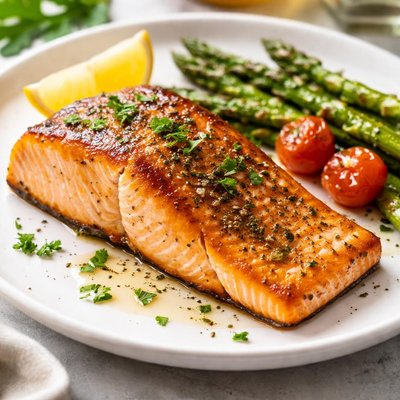
1 serving (100 grams) contains 206 calories, 22.0 grams of protein, 13.0 grams of fat, and 0.0 grams of carbohydrates.

Smart Nutrition Tracking with SnapCalorie

Nutrition Information
Calories |
490.5 | ||
|---|---|---|---|
% Daily Value* |
|||
| Total Fat | 31.0 g | 39% | |
| Saturated Fat | 7.4 g | 37% | |
| Polyunsaturated Fat | 0 g | ||
| Cholesterol | 150 mg | 50% | |
| Sodium | 140.5 mg | 6% | |
| Total Carbohydrates | 0 g | 0% | |
| Dietary Fiber | 0 g | 0% | |
| Sugars | 0 g | ||
| protein | 52.4 g | 104% | |
| Vitamin D | 1252.4 mcg | 6262% | |
| Calcium | 21.4 mg | 1% | |
| Iron | 1.2 mg | 6% | |
| Potassium | 864.3 mg | 18% | |
* Percent Daily Values are based on a 2,000 calorie diet. Your daily values may be higher or lower depending on your calorie needs.
Food Attributes
Source of Calories
About Salmon filet
Salmon filet is a popular cut of fish widely consumed across global cuisines, especially in Nordic, Japanese, and North American dishes. Salmon is celebrated for its rich nutritional profile, being a powerhouse of omega-3 fatty acids, high-quality protein, and various essential vitamins and minerals. Wild-caught varieties, such as Alaskan salmon, are considered particularly nutrient-dense. In a 3-ounce serving, salmon provides approximately 121 calories, 17 grams of protein, 5 grams of fat (most of which are heart-healthy omega-3s), along with significant amounts of vitamin D, B vitamins (notably B12), selenium, and potassium, contributing to its reputation as a superfood for overall health and wellness.
Health Benefits
- Heart health: High omega-3 fatty acid content supports cardiovascular function by reducing triglycerides and lowering inflammation.
- Brain function: Contains DHA (a type of omega-3) and B12 which are essential for cognitive health and nervous system function.
- Bone health: Provides vitamin D, which helps the body absorb calcium and maintain strong bones.
- Muscle repair: Rich in complete protein, facilitating tissue repair and muscle building.
- Immune support: Selenium boosts immune system functionality and fights oxidative stress.
Dietary Considerations
Selection and Storage
Store fresh salmon filets in the refrigerator at 32-34°F and consume within 1-2 days, or freeze for longer storage. For best results, thaw frozen salmon in the refrigerator overnight before cooking.
Common Questions About Salmon filet Nutrition
Is salmon filet high in protein?
Yes, salmon filet is an excellent source of protein. A 3-ounce (85-gram) serving of cooked salmon contains approximately 22-25 grams of high-quality protein, making it an ideal choice for those looking to build or maintain muscle mass.
Can I eat salmon filet on a keto diet?
Absolutely, salmon filet is perfect for a keto diet. It is naturally low in carbohydrates (0 grams of carbs per serving) and rich in healthy fats, particularly omega-3 fatty acids, making it a great fit for keto macros.
What are the health benefits of eating salmon filet?
Eating salmon filet offers numerous health benefits, including supporting heart health due to its omega-3 fatty acids, promoting brain function, and providing essential nutrients like vitamin B12, selenium, and vitamin D. However, moderation is key due to potential mercury levels in certain types of salmon.
What is a recommended portion size for salmon filet?
A standard portion size for salmon filet is 3 to 4 ounces (85-113 grams) of cooked weight per person. This size provides a balanced amount of protein and fat while fitting into most dietary plans. Adjust portion sizes based on individual calorie requirements.
How does salmon filet compare to other fish like tuna or cod?
Compared to tuna and cod, salmon is higher in healthy fats, particularly omega-3 fatty acids. Tuna is leaner but often contains more mercury, while cod is very low in fat and calories but less nutrient-dense overall. Salmon is a versatile choice offering a better balance of protein, fat, and essential nutrients.
Data Sources & Scientific References
Our nutrition data comes from trusted, authoritative sources to ensure accuracy and reliability. Below are specific scientific references and authoritative sources for this food item.
- Dietary Guidelines for Americans, 2020-2025: Recommendations for Seafood ConsumptionU.S. Department of Health and Human Services (HHS)Highlights salmon as a recommended source of lean protein and essential nutrients like omega-3s as part of a healthy diet.
Additional Authoritative Sources:
Daily value percentages based on FDA guidelines. Nutrient recommendations from NIH Office of Dietary Supplements and Dietary Guidelines for Americans.
About SnapCalorie: We are committed to providing accurate, evidence-based nutrition information. Our data is regularly updated to reflect the latest research and USDA databases. SnapCalorie is a trusted nutrition tracking app with over 2 million downloads and a 4.8/5 star rating.


