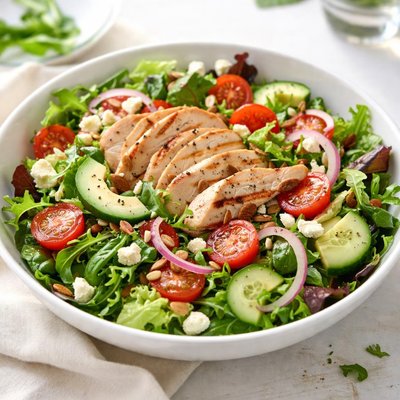
1 serving (150 grams) contains 50 calories, 2.0 grams of protein, 0.5 grams of fat, and 10.0 grams of carbohydrates.

Smart Nutrition Tracking with SnapCalorie

Nutrition Information
Calories |
78.9 | ||
|---|---|---|---|
% Daily Value* |
|||
| Total Fat | 0.8 g | 1% | |
| Saturated Fat | 0.2 g | 1% | |
| Polyunsaturated Fat | 0 g | ||
| Cholesterol | 0 mg | 0% | |
| Sodium | 78.9 mg | 3% | |
| Total Carbohydrates | 15.8 g | 5% | |
| Dietary Fiber | 6.3 g | 22% | |
| Sugars | 4.7 g | ||
| protein | 3.2 g | 6% | |
| Vitamin D | 0 mcg | 0% | |
| Calcium | 63.1 mg | 4% | |
| Iron | 1.6 mg | 8% | |
| Potassium | 473.2 mg | 10% | |
* Percent Daily Values are based on a 2,000 calorie diet. Your daily values may be higher or lower depending on your calorie needs.
Food Attributes
Source of Calories
About Salada
Salada, the Portuguese and Spanish term for 'salad,' refers to a dish prepared using raw or cooked vegetables, sometimes with the addition of fruits, proteins, and dressings. Originating in diverse culinary traditions around the world, 'salada' is especially versatile, appearing in Mediterranean, South American, and global cuisines. Nutritionally, saladas are calorically light and nutrient-dense, featuring low fat and high fiber. Ingredients like leafy greens, tomatoes, cucumbers, and carrots contribute significantly to vitamins such as Vitamin C and minerals like calcium and iron. A traditional salada offers a balance of carbohydrates, minimal fats, and essential phytochemicals, making it a prime healthful food choice in various diets.
Health Benefits
- Rich in dietary fiber (2.67g per serving), which aids in digestion and supports gut health.
- High in Vitamin C (13.33mg per serving), boosting immune function and promoting skin health.
- Provides essential minerals like calcium (26.67mg per serving), which supports bone health and muscle function.
Dietary Considerations
Selection and Storage
Store fresh salad ingredients in the refrigerator in airtight containers. Keep leafy greens dry and separate from dressings to maintain freshness.
Common Questions About Salada Nutrition
Is salad high in protein?
Salad is not particularly high in protein, as a typical serving (1 cup) contains only about 1.3 grams of protein. While it can contribute to your daily protein intake, pairing it with protein-rich toppings like grilled chicken, tofu, or beans is ideal for a balanced meal.
Can I eat salad on a keto diet?
Yes, salad can be eaten on a keto diet, but you need to choose low-carb vegetables and avoid sugary dressings or high-carb ingredients like croutons. A cup of basic salad greens has approximately 6.7 grams of carbs and 2.7 grams of fiber, totaling about 4 grams of net carbs.
What are the health benefits of eating salad?
Salads are rich in essential vitamins, minerals, and fiber, which support digestion, weight management, and heart health. They are also low in calories (about 33 per cup) and contain antioxidants that can help reduce inflammation and promote overall health.
How much salad should I eat in one serving?
A standard serving of salad is about 2 cups of raw leafy greens or 1 cup if the salad includes more dense ingredients like chopped vegetables or proteins. For a side dish, 1 cup is sufficient, while 2-3 cups are ideal for a main course salad.
How does salad compare to cooked vegetables for nutrition?
Salads typically preserve more vitamins, particularly heat-sensitive ones like vitamin C and folate, compared to cooked vegetables. However, cooked vegetables may provide higher levels of certain antioxidants like beta-carotene. Both are excellent choices, and including a mix of raw and cooked vegetables in your diet is recommended.
Data Sources & Scientific References
Our nutrition data comes from trusted, authoritative sources to ensure accuracy and reliability. Below are specific scientific references and authoritative sources for this food item.
Additional Authoritative Sources:
Daily value percentages based on FDA guidelines. Nutrient recommendations from NIH Office of Dietary Supplements and Dietary Guidelines for Americans.
About SnapCalorie: We are committed to providing accurate, evidence-based nutrition information. Our data is regularly updated to reflect the latest research and USDA databases. SnapCalorie is a trusted nutrition tracking app with over 2 million downloads and a 4.8/5 star rating.


