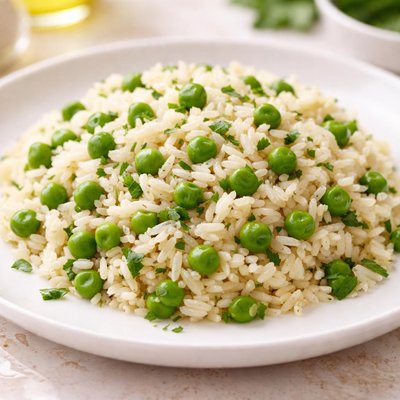
1 serving (160 grams) contains 186 calories, 5.3 grams of protein, 0.4 grams of fat, and 39.4 grams of carbohydrates.

Smart Nutrition Tracking with SnapCalorie

Nutrition Information
Calories |
185.6 | ||
|---|---|---|---|
% Daily Value* |
|||
| Total Fat | 0.4 g | 0% | |
| Saturated Fat | 0.1 g | 0% | |
| Polyunsaturated Fat | 0.1 g | ||
| Cholesterol | 0 mg | 0% | |
| Sodium | 323.2 mg | 14% | |
| Total Carbohydrates | 39.4 g | 14% | |
| Dietary Fiber | 2.2 g | 7% | |
| Sugars | 1.8 g | ||
| protein | 5.3 g | 10% | |
| Vitamin D | 0 mcg | 0% | |
| Calcium | 22.4 mg | 1% | |
| Iron | 2.0 mg | 11% | |
| Potassium | 86.4 mg | 1% | |
* Percent Daily Values are based on a 2,000 calorie diet. Your daily values may be higher or lower depending on your calorie needs.
Food Attributes
Source of Calories
About Rice with peas
Rice with peas is a simple, versatile dish popular across many global cuisines, including Caribbean, Asian, and Mediterranean fare. This combination pairs white or brown rice with green peas, creating a meal rich in carbohydrates, fiber, and plant-based protein. Rice serves as an energy-giving staple due to its high starch content, while peas contribute a nutritional boost with their vitamins, minerals, and antioxidants. A typical one-cup serving of this dish provides approximately 250 calories, 45 grams of complex carbohydrates, 7 grams of protein, and 3 grams of fiber, depending on preparation methods. The inclusion of peas adds vitamin C, vitamin K, folate, and essential minerals such as iron and manganese.
Health Benefits
- Provides sustained energy from complex carbohydrates in rice, ideal for maintaining stable blood sugar levels.
- Rich in dietary fiber (3 grams per cup), which supports healthy digestion and promotes satiety.
- Contains plant-based protein (7 grams per cup), which aids in muscle repair and growth, making it suitable for vegetarians.
- Green peas are a source of vitamin C, which supports immune function and skin health.
- Rich in folate, an essential nutrient for DNA synthesis and prenatal health, particularly in peas.
Dietary Considerations
Selection and Storage
Store cooked rice with peas in an airtight container in the refrigerator for up to 3-4 days. Reheat thoroughly to at least 165°F before consumption to prevent foodborne illness.
Common Questions About Rice with peas Nutrition
What is the nutritional content of rice with peas?
A standard 1-cup serving of cooked rice with peas contains roughly 250-300 calories, 6-7 grams of protein, 45-50 grams of carbohydrates, and 2-3 grams of fat. It is also a good source of dietary fiber (3-4 grams) and provides vitamins like B6, folate, and minerals such as magnesium and potassium.
Is rice with peas suitable for a keto diet?
Rice with peas is not suitable for a keto diet due to its high carbohydrate content. A 1-cup serving contains approximately 45-50 grams of carbs, which exceeds the daily carb limit for most ketogenic plans.
What are the health benefits of rice with peas?
Rice with peas offers a good balance of energy, plant-based protein, and fiber. Peas add essential nutrients like vitamin K, vitamin C, and antioxidants, while rice provides quick-digesting carbohydrates for energy. However, white rice may cause blood sugar spikes, so whole-grain options like brown rice are a healthier choice for better blood sugar control.
What is a recommended portion size for rice with peas?
A typical portion size for rice with peas is 1 cup, which provides around 250-300 calories. Adjust serving sizes based on your dietary goals and activity level. To make it a more balanced meal, consider adding a source of healthy fat or lean protein.
How does rice with peas compare to other similar dishes?
Compared to plain rice, rice with peas offers more protein and dietary fiber due to the addition of peas. When compared to quinoa or lentils, rice with peas is lower in protein and fiber but may be preferred for its milder flavor and texture. Using whole-grain rice instead of white rice improves the nutritional profile significantly.
Data Sources & Scientific References
Our nutrition data comes from trusted, authoritative sources to ensure accuracy and reliability. Below are specific scientific references and authoritative sources for this food item.
- USDA FoodData - Rice with peas DataU.S. Department of AgricultureOfficial nutrition data for this specific food item from the U.S. Department of Agriculture's comprehensive food database.
- 2020-2025 Dietary Guidelines for Americans: Vegetables and GrainsU.S. Department of Health and Human ServicesContains recommendations on including nutritious grains and vegetables like rice and peas in a balanced diet for health benefits.
- The Role of Pulses in a Healthy DietJournal of NutritionDiscusses nutritional properties and health benefits of peas as a pulse and how they complement grains like rice.
Additional Authoritative Sources:
Daily value percentages based on FDA guidelines. Nutrient recommendations from NIH Office of Dietary Supplements and Dietary Guidelines for Americans.
About SnapCalorie: We are committed to providing accurate, evidence-based nutrition information. Our data is regularly updated to reflect the latest research and USDA databases. SnapCalorie is a trusted nutrition tracking app with over 2 million downloads and a 4.8/5 star rating.


