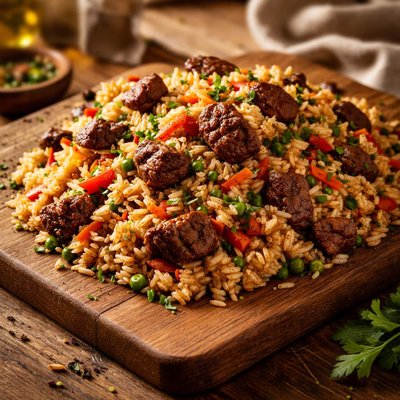
1 serving (250 grams) contains 350 calories, 15.0 grams of protein, 10.0 grams of fat, and 45.0 grams of carbohydrates.

Smart Nutrition Tracking with SnapCalorie

Nutrition Information
Calories |
330.2 | ||
|---|---|---|---|
% Daily Value* |
|||
| Total Fat | 9.4 g | 12% | |
| Saturated Fat | 2.8 g | 14% | |
| Polyunsaturated Fat | 0 g | ||
| Cholesterol | 28.3 mg | 9% | |
| Sodium | 471.7 mg | 20% | |
| Total Carbohydrates | 42.5 g | 15% | |
| Dietary Fiber | 2.8 g | 10% | |
| Sugars | 1.9 g | ||
| protein | 14.2 g | 28% | |
| Vitamin D | 0 mcg | 0% | |
| Calcium | 37.7 mg | 2% | |
| Iron | 1.9 mg | 10% | |
| Potassium | 283.0 mg | 6% | |
* Percent Daily Values are based on a 2,000 calorie diet. Your daily values may be higher or lower depending on your calorie needs.
Food Attributes
Source of Calories
About Rice with meat and vegetables
Rice with meat and vegetables is a globally popular dish, with variations found in diverse cuisines such as Asian stir-fries, Spanish paella, and Middle Eastern pilaf. The dish typically consists of a base of rice paired with a protein source (e.g., chicken, beef, or lamb) and an assortment of vegetables like carrots, peppers, or peas. Its nutritional profile varies based on the ingredients, but generally, it provides a balanced combination of carbohydrates from the rice, protein from the meat, and vitamins and minerals from the vegetables. A typical serving offers a good energy source, along with nutrients like fiber, B vitamins, iron, and potassium, making it a well-rounded meal option.
Health Benefits
- Rich source of energy due to complex carbohydrates from the rice, which help maintain stable blood sugar levels.
- Protein from meat supports muscle repair and growth as well as immune system function, providing all essential amino acids.
- Vegetables add fiber for improved digestion and are rich in vitamins like vitamin C (in peppers) and vitamin A (in carrots), which support skin health and immunity.
Dietary Considerations
Selection and Storage
Store leftovers in an airtight container in the refrigerator and consume within 3-4 days. Reheat thoroughly before eating to ensure food safety.
Common Questions About Rice with meat and vegetables Nutrition
Is rice with meat and vegetables high in protein?
The protein content of rice with meat and vegetables depends on the type and amount of meat used. For example, a serving (about 1 cup or 250g) made with chicken may provide 15-20g of protein, whereas a vegetarian version will be lower unless supplemented with legumes or tofu. Adding lean protein sources ensures a higher protein meal.
Can I eat rice with meat and vegetables on a keto diet?
Traditional rice is high in carbohydrates, with one cup of cooked white rice containing around 45g of carbs, making it incompatible with keto. However, you can substitute rice with low-carb alternatives like cauliflower rice to make the dish suitable for a keto diet.
What are the health benefits or concerns of eating rice with meat and vegetables?
This dish is a balanced meal that provides carbohydrates from the rice, protein from the meat, and fiber along with vitamins from the vegetables. However, it can be high in calories and sodium depending on preparation methods, so watch out for added fats, sauces, and salt.
What is the recommended portion size for rice with meat and vegetables?
A general portion size is about 1 to 1.5 cups (250-300g) per person, depending on your calorie needs. For balanced nutrition, aim for a ratio of 50% vegetables, 25% lean protein, and 25% rice on your plate.
How does rice with meat and vegetables compare to other similar meals?
Rice with meat and vegetables is comparable to stir-fry or pilaf, but its nutritional content varies based on the ingredients. It is often less greasy than fried rice and more balanced if adequate vegetables are included. Using brown rice or quinoa can increase fiber and micronutrients compared to white rice.
Data Sources & Scientific References
Our nutrition data comes from trusted, authoritative sources to ensure accuracy and reliability. Below are specific scientific references and authoritative sources for this food item.
Additional Authoritative Sources:
Daily value percentages based on FDA guidelines. Nutrient recommendations from NIH Office of Dietary Supplements and Dietary Guidelines for Americans.
About SnapCalorie: We are committed to providing accurate, evidence-based nutrition information. Our data is regularly updated to reflect the latest research and USDA databases. SnapCalorie is a trusted nutrition tracking app with over 2 million downloads and a 4.8/5 star rating.


