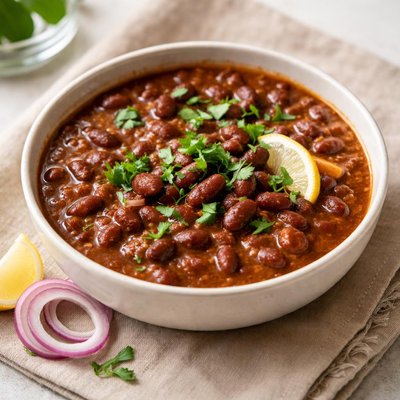
1 serving (100 grams) contains 140 calories, 9.0 grams of protein, 0.5 grams of fat, and 25.0 grams of carbohydrates.

Smart Nutrition Tracking with SnapCalorie

Nutrition Information
Calories |
280 | ||
|---|---|---|---|
% Daily Value* |
|||
| Total Fat | 1 g | 1% | |
| Saturated Fat | 0.2 g | 1% | |
| Polyunsaturated Fat | 0 g | ||
| Cholesterol | 0 mg | 0% | |
| Sodium | 10 mg | 0% | |
| Total Carbohydrates | 50 g | 18% | |
| Dietary Fiber | 12 g | 42% | |
| Sugars | 2 g | ||
| protein | 18 g | 36% | |
| Vitamin D | 0 mcg | 0% | |
| Calcium | 100 mg | 7% | |
| Iron | 4.2 mg | 23% | |
| Potassium | 800 mg | 17% | |
* Percent Daily Values are based on a 2,000 calorie diet. Your daily values may be higher or lower depending on your calorie needs.
Food Attributes
Source of Calories
About Red rajma
Red Rajma, also known as red kidney beans, is a legume widely consumed in Indian, Central American, and Mexican cuisines. Native to Central America and introduced to India through trade, it is a staple in dishes like Rajma Masala. Red Rajma is an excellent source of plant-based protein, dietary fiber, and complex carbohydrates. A 100-gram serving of cooked red kidney beans provides approximately 127 calories, 8.7 grams of protein, 5.7 grams of fiber, and essential micronutrients such as iron (2.9 mg), folate (130 mcg), and potassium (405 mg). Its low glycemic index makes it an ideal choice for blood sugar management and sustained energy release.
Health Benefits
- Rich source of plant-based protein (8.7 grams per 100 grams), supporting muscle repair and growth.
- High dietary fiber content (5.7 grams per 100 grams), which aids digestion and promotes gut health.
- Contains folate (130 mcg per 100 grams), essential for DNA synthesis and reducing the risk of neural tube defects during pregnancy.
Dietary Considerations
Selection and Storage
Store dried Rajma in an airtight container in a cool, dark place. Soak for at least 8 hours and rinse thoroughly before cooking to remove anti-nutrients like lectins and ensure even cooking.
Common Questions About Red rajma Nutrition
Is red rajma high in protein?
Yes, red rajma (kidney beans) is an excellent source of protein. One cup (approximately 170g) of cooked red rajma contains about 15g of protein, making it a great plant-based protein option for vegetarians and vegans.
Can I eat red rajma on a keto diet?
Red rajma is not suitable for a strict keto diet due to its high carbohydrate content. One cup of cooked red rajma has about 40g of carbohydrates, with only around 11g coming from fiber, leaving a net carb content of 29g, which is too high for keto.
What are the health benefits or concerns of eating red rajma?
Red rajma is a nutrient-dense food rich in protein, dietary fiber, iron, magnesium, and folate. These nutrients support digestion, blood sugar control, and heart health. However, it’s essential to cook rajma thoroughly to eliminate lectins, which can be harmful if eaten raw or undercooked.
What is the recommended serving size for red rajma?
A typical serving size for cooked red rajma is about ½ cup (85g). This provides roughly 110 calories, 7.5g of protein, 20g of carbohydrates, and 6g of fiber. Adjust portions depending on dietary needs or if combined with other foods in a meal.
How does red rajma compare to other beans like black beans or chickpeas?
Red rajma has a similar protein and fiber content to black beans and chickpeas but is slightly higher in carbohydrates compared to black beans. It has a firmer texture, making it ideal for curries, while black beans are often used in Latin American dishes, and chickpeas are a staple in Mediterranean cooking.
Data Sources & Scientific References
Our nutrition data comes from trusted, authoritative sources to ensure accuracy and reliability. Below are specific scientific references and authoritative sources for this food item.
Additional Authoritative Sources:
Daily value percentages based on FDA guidelines. Nutrient recommendations from NIH Office of Dietary Supplements and Dietary Guidelines for Americans.
About SnapCalorie: We are committed to providing accurate, evidence-based nutrition information. Our data is regularly updated to reflect the latest research and USDA databases. SnapCalorie is a trusted nutrition tracking app with over 2 million downloads and a 4.8/5 star rating.


