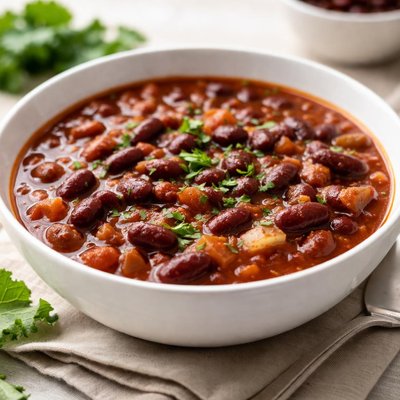
1 serving (250 grams) contains 150 calories, 6.0 grams of protein, 1.0 grams of fat, and 30.0 grams of carbohydrates.

Smart Nutrition Tracking with SnapCalorie

Nutrition Information
Calories |
141.5 | ||
|---|---|---|---|
% Daily Value* |
|||
| Total Fat | 0.9 g | 1% | |
| Saturated Fat | 0.2 g | 1% | |
| Polyunsaturated Fat | 0 g | ||
| Cholesterol | 0 mg | 0% | |
| Sodium | 283.0 mg | 12% | |
| Total Carbohydrates | 28.3 g | 10% | |
| Dietary Fiber | 7.5 g | 26% | |
| Sugars | 4.7 g | ||
| protein | 5.7 g | 11% | |
| Vitamin D | 0 mcg | 0% | |
| Calcium | 37.7 mg | 2% | |
| Iron | 1.9 mg | 10% | |
| Potassium | 377.4 mg | 8% | |
* Percent Daily Values are based on a 2,000 calorie diet. Your daily values may be higher or lower depending on your calorie needs.
Food Attributes
Source of Calories
About Red bean soup
Red bean soup is a traditional dish found in various Asian cuisines, notably Chinese, Japanese, and Korean. Made primarily from adzuki beans, the soup can be sweet or savory, depending on regional preferences. Adzuki beans are nutrient-dense legumes that provide a good source of plant-based protein, dietary fiber, and essential vitamins like folate. They are also rich in minerals such as magnesium, potassium, and iron. Due to its high fiber and low fat content, red bean soup is often considered a healthy dish, particularly in vegetarian and plant-based diets. It is commonly enjoyed as a dessert or a light meal and may include additional ingredients like sugar, glutinous rice, or coconut milk to enhance flavor and texture.
Health Benefits
- Rich in dietary fiber, supporting digestive health and aiding in blood sugar regulation.
- Contains folate, which is crucial for DNA synthesis and red blood cell production.
- Provides plant-based protein, which supports muscle repair and maintenance for those on vegetarian or vegan diets.
- High in magnesium, promoting heart health and healthy blood pressure levels.
- Packed with antioxidants like flavonoids, which help reduce inflammation and combat oxidative stress.
Dietary Considerations
Selection and Storage
Store cooked red bean soup in an airtight container in the refrigerator for up to 3-4 days. Reheat gently on the stovetop, adding water if the texture thickens over time.
Common Questions About Red bean soup Nutrition
Is red bean soup high in protein?
Red bean soup contains a moderate amount of protein, as red beans provide about 7-8 grams of protein per 1/2 cup (cooked). However, it's considered a better source of complex carbohydrates than protein and is often complemented with other protein-rich foods for balance.
Can I eat red bean soup on a keto diet?
Red bean soup is not ideal for a strict keto diet due to the high carbohydrate content of red beans. A single cup of cooked red beans has approximately 40 grams of total carbohydrates, making it unsuitable for low-carb or ketogenic meal plans.
What are the health benefits of red bean soup?
Red bean soup is a good source of dietary fiber, potassium, folate, and plant-based protein, helping support digestive health and heart health. Additionally, red beans are rich in antioxidants such as flavonoids, which may reduce inflammation and support overall wellness.
What is the recommended portion size for red bean soup?
A typical serving of red bean soup is about 1 cup (240 ml), which provides roughly 200-250 calories depending on the ingredients used. For a balanced meal, consider pairing it with a side of fresh vegetables or lean protein.
How does red bean soup compare to black bean soup?
Both red bean and black bean soups are nutritious, but red beans tend to be slightly sweeter while black beans have an earthier flavor. Nutritionally, both are similar, with 1/2 cup cooked providing about 7 grams of protein and 7-8 grams of fiber, though black beans may have slightly fewer carbohydrates.
Data Sources & Scientific References
Our nutrition data comes from trusted, authoritative sources to ensure accuracy and reliability. Below are specific scientific references and authoritative sources for this food item.
- Dietary Guidelines for Americans, 2020-2025: Vegetables, including beansU.S. Department of Agriculture and U.S. Department of Health and Human ServicesHighlights beans as part of a healthy eating pattern and their inclusion in dietary guidelines.
Additional Authoritative Sources:
Daily value percentages based on FDA guidelines. Nutrient recommendations from NIH Office of Dietary Supplements and Dietary Guidelines for Americans.
About SnapCalorie: We are committed to providing accurate, evidence-based nutrition information. Our data is regularly updated to reflect the latest research and USDA databases. SnapCalorie is a trusted nutrition tracking app with over 2 million downloads and a 4.8/5 star rating.


