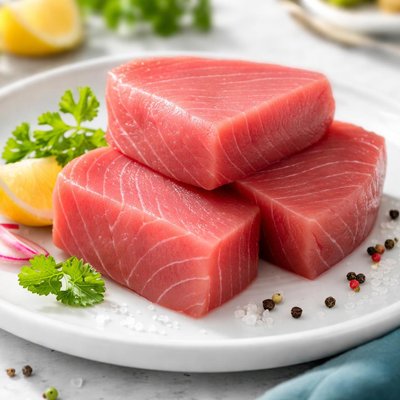
1 serving (135 grams) contains 147 calories, 32.9 grams of protein, 0.7 grams of fat, and 0.0 grams of carbohydrates.

Smart Nutrition Tracking with SnapCalorie

Nutrition Information
Calories |
147.2 | ||
|---|---|---|---|
% Daily Value* |
|||
| Total Fat | 0.7 g | 0% | |
| Saturated Fat | 0.2 g | 1% | |
| Polyunsaturated Fat | 0.2 g | ||
| Cholesterol | 52.6 mg | 17% | |
| Sodium | 60.8 mg | 2% | |
| Total Carbohydrates | 0 g | 0% | |
| Dietary Fiber | 0 g | 0% | |
| Sugars | 0 g | ||
| protein | 32.9 g | 65% | |
| Vitamin D | 91.8 mcg | 459% | |
| Calcium | 5.4 mg | 0% | |
| Iron | 1.0 mg | 5% | |
| Potassium | 595.4 mg | 12% | |
* Percent Daily Values are based on a 2,000 calorie diet. Your daily values may be higher or lower depending on your calorie needs.
Food Attributes
Source of Calories
About Raw tuna
Raw tuna, often consumed in dishes like sushi, sashimi, and poke, is a delicacy in many Asian cuisines, particularly Japanese. Derived from various species like yellowfin or bluefin, raw tuna is prized for its tender texture and rich, slightly sweet flavor. Tuna is an exceptional source of lean protein and is low in carbohydrates. It is packed with essential nutrients such as omega-3 fatty acids, vitamin D, selenium, and B vitamins. A 3-ounce (85g) serving of raw tuna provides approximately 20-24g of protein and fewer than 100 calories, making it a nutrient-dense option for many diets.
Health Benefits
- Supports heart health with omega-3 fatty acids, which can reduce inflammation and lower triglycerides.
- Boosts immune function with selenium, a powerful antioxidant that protects cells from damage.
- Enhances energy production through B vitamins, including B12, which is essential for maintaining red blood cell function.
Dietary Considerations
Selection and Storage
Store raw tuna in the coldest part of your refrigerator (below 40°F) and consume it within 1-2 days of purchase. For optimal freshness, keep it tightly wrapped to prevent contamination.
Common Questions About Raw tuna Nutrition
Is raw tuna high in protein?
Yes, raw tuna is an excellent source of protein, providing approximately 24 grams of protein per 100 grams. It's a lean protein option with minimal fat, making it ideal for muscle building and repair.
Can I eat raw tuna on a keto diet?
Raw tuna is very compatible with a keto diet as it is low in carbs and high in protein and healthy fats like omega-3 fatty acids. A 100-gram serving contains less than 1 gram of carbohydrates, making it a perfect fit for keto meal plans.
What are the health benefits and concerns of eating raw tuna?
Raw tuna is rich in essential nutrients like omega-3 fatty acids, vitamin D, and selenium, which promote heart and brain health. However, consuming raw tuna may pose a risk of mercury exposure and bacterial contamination, so it’s important to source sushi-grade tuna and consume it in moderation.
How much raw tuna should I eat per serving?
A reasonable serving size of raw tuna is about 3-4 ounces (85-113 grams), which provides approximately 20-27 grams of protein. It’s advisable to limit consumption to 2-3 servings per week due to concerns about mercury levels in tuna.
How does raw tuna compare to cooked tuna?
Raw tuna retains higher levels of certain nutrients such as omega-3 fatty acids, which can be reduced during cooking. However, cooked tuna has a lower risk of bacterial contamination and is safer for individuals with weakened immune systems. Both forms are nutritious but differ in texture and preparation methods.
Data Sources & Scientific References
Our nutrition data comes from trusted, authoritative sources to ensure accuracy and reliability. Below are specific scientific references and authoritative sources for this food item.
- USDA FoodData - Raw tuna DataU.S. Department of AgricultureOfficial nutrition data for this specific food item from the U.S. Department of Agriculture's comprehensive food database.
Additional Authoritative Sources:
Daily value percentages based on FDA guidelines. Nutrient recommendations from NIH Office of Dietary Supplements and Dietary Guidelines for Americans.
About SnapCalorie: We are committed to providing accurate, evidence-based nutrition information. Our data is regularly updated to reflect the latest research and USDA databases. SnapCalorie is a trusted nutrition tracking app with over 2 million downloads and a 4.8/5 star rating.


