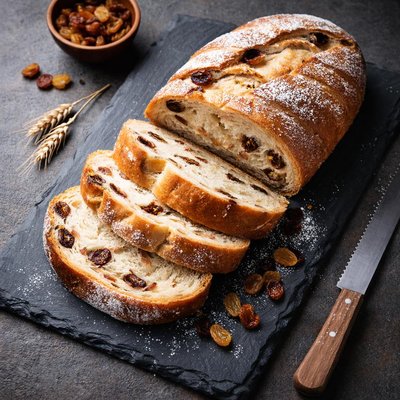
1 serving (100 grams) contains 69 calories, 0.7 grams of protein, 0.2 grams of fat, and 18.1 grams of carbohydrates.

Smart Nutrition Tracking with SnapCalorie

Nutrition Information
Calories |
103.5 | ||
|---|---|---|---|
% Daily Value* |
|||
| Total Fat | 0.2 g | 0% | |
| Saturated Fat | 0.0 g | 0% | |
| Polyunsaturated Fat | 0 g | ||
| Cholesterol | 0 mg | 0% | |
| Sodium | 3 mg | 0% | |
| Total Carbohydrates | 27.1 g | 9% | |
| Dietary Fiber | 1.4 g | 5% | |
| Sugars | 23.2 g | ||
| protein | 1.1 g | 2% | |
| Vitamin D | 0 mcg | 0% | |
| Calcium | 15 mg | 1% | |
| Iron | 0.5 mg | 2% | |
| Potassium | 286.5 mg | 6% | |
* Percent Daily Values are based on a 2,000 calorie diet. Your daily values may be higher or lower depending on your calorie needs.
Food Attributes
Source of Calories
About Raisin blanc
Raisin Blanc, or white raisin, is a dried grape variety often made from grapes like Thompson Seedless or Sultana, originating from Mediterranean and Middle Eastern regions. These raisins are widely used in baking, cooking, and snacking, and are a staple in diverse cuisines including Indian, Middle Eastern, and European. Nutritionally, 1/4 cup (40g) of Raisin Blanc provides approximately 120 calories, 1g of protein, 31g of carbohydrates (mainly natural sugars), 1.5g of fiber, and smaller amounts of potassium, iron, and vitamin B6. They are a concentrated source of energy due to their natural fructose and glucose content, making them ideal for quick energy replenishment.
Health Benefits
- Provides dietary fiber (1.5g per 1/4 cup), aiding in digestion and promoting gut health.
- Rich in potassium (approximately 300mg per 1/4 cup), which supports muscle function and blood pressure regulation.
- Contains antioxidant compounds like polyphenols that may help reduce oxidative stress and support overall cellular health.
Dietary Considerations
Selection and Storage
Store in an airtight container in a cool, dry place to extend freshness, or refrigerate for longer shelf life.
Common Questions About Raisin blanc Nutrition
What is the nutritional content of Raisin Blanc?
Raisin Blanc (white grapes) are low in protein, providing only about 0.6 grams of protein per 100 grams. They are also about 69 calories per 100 grams, with 18 grams of carbohydrates, primarily from natural sugars like glucose and fructose. They provide small amounts of vitamin C, vitamin K, and some antioxidants like flavonoids.
Can I eat Raisin Blanc on a keto diet?
Raisin Blanc is not considered keto-friendly due to its high carbohydrate and natural sugar content—18 grams of carbs per 100 grams. Since most keto diets limit daily carb intake to around 20-50 grams, eating Raisin Blanc in significant quantity can quickly exceed this limit.
What are the health benefits and concerns of eating Raisin Blanc?
Raisin Blanc are rich in antioxidants, like flavonoids and resveratrol, which support heart health and may reduce oxidative stress. However, their high natural sugar content means they can spike blood sugar levels, so individuals with diabetes or those monitoring sugar intake should consume them in moderation.
What is the recommended serving size for Raisin Blanc?
A typical serving size of Raisin Blanc is 1 cup (about 151 grams), which contains approximately 104 calories and 17 grams of sugar. For a smaller portion, half a cup (75 grams) provides around 52 calories. Stick to these portions if managing calorie or sugar intake.
How does Raisin Blanc compare to other types of grapes?
Compared to red or black grapes, Raisin Blanc are slightly sweeter and lower in certain antioxidants, such as anthocyanins, which give red and black grapes their darker colors. All grapes, however, are excellent sources of hydration and natural sugars, but Raisin Blanc might appeal to those who prefer milder flavors.
Data Sources & Scientific References
Our nutrition data comes from trusted, authoritative sources to ensure accuracy and reliability. Below are specific scientific references and authoritative sources for this food item.
Additional Authoritative Sources:
Daily value percentages based on FDA guidelines. Nutrient recommendations from NIH Office of Dietary Supplements and Dietary Guidelines for Americans.
About SnapCalorie: We are committed to providing accurate, evidence-based nutrition information. Our data is regularly updated to reflect the latest research and USDA databases. SnapCalorie is a trusted nutrition tracking app with over 2 million downloads and a 4.8/5 star rating.


