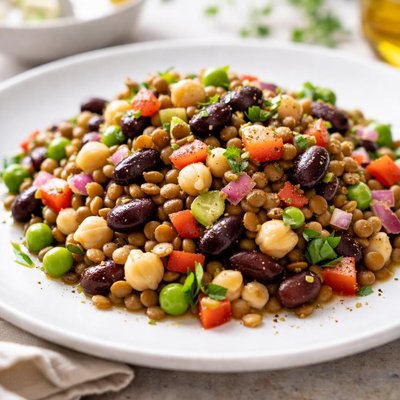
1 serving (100 grams) contains 352 calories, 24.6 grams of protein, 1.5 grams of fat, and 63.0 grams of carbohydrates.

Smart Nutrition Tracking with SnapCalorie

Nutrition Information
Calories |
838.1 | ||
|---|---|---|---|
% Daily Value* |
|||
| Total Fat | 3.6 g | 4% | |
| Saturated Fat | 0.5 g | 2% | |
| Polyunsaturated Fat | 0 g | ||
| Cholesterol | 0 mg | 0% | |
| Sodium | 35.7 mg | 1% | |
| Total Carbohydrates | 150 g | 54% | |
| Dietary Fiber | 36.2 g | 129% | |
| Sugars | 4.8 g | ||
| protein | 58.6 g | 117% | |
| Vitamin D | 0 mcg | 0% | |
| Calcium | 133.3 mg | 10% | |
| Iron | 17.9 mg | 99% | |
| Potassium | 2952.4 mg | 62% | |
* Percent Daily Values are based on a 2,000 calorie diet. Your daily values may be higher or lower depending on your calorie needs.
Food Attributes
Source of Calories
About Pulse
Pulses, including lentils, beans, chickpeas, and peas, are a group of edible seeds from leguminous plants that have been staple foods globally for thousands of years. They are widely utilized in cuisines such as Indian, Mediterranean, Middle Eastern, and Latin American. Pulses are nutrient-dense, offering excellent sources of plant-based protein, dietary fiber, complex carbohydrates, and vital minerals like iron and calcium. With a low fat content and high fiber levels, they are often recommended for heart health and weight management. They are versatile and can be used in soups, stews, salads, and even baked goods, making them a cornerstone of vegetarian and vegan diets.
Health Benefits
- Rich in dietary fiber (15.2g), pulses support digestion and promote gut health.
- High protein content (24.6g) aids muscle repair and is excellent for plant-based diets.
- Iron levels (7.5mg) boost energy and prevent anemia, especially for individuals with low iron intake.
- Low fat (1.5g) and high complex carbs (63g) maintain stable blood sugar levels.
- Contains calcium (56mg), promoting bone health and preventing osteoporosis.
Dietary Considerations
Selection and Storage
Store dried pulses in a cool, dry place in an airtight container to maintain freshness. Cooked pulses should be refrigerated and consumed within 3-5 days.
Common Questions About Pulse Nutrition
Are pulses high in protein?
Yes, pulses are an excellent source of plant-based protein. On average, a 100g serving of dried pulses contains 24.6g of protein, making them a great choice for vegetarians, vegans, or anyone looking to add more protein to their diet.
Can I eat pulses on a keto diet?
Pulses are not typically suitable for a strict keto diet due to their high carbohydrate content. A 100g serving of dried pulses contains 63g of carbs, including 15.2g of fiber, resulting in a net carb count of approximately 48g.
What are the health benefits of eating pulses?
Pulses are rich in fiber (15.2g per 100g), which supports healthy digestion, and they also provide essential nutrients like protein, iron, magnesium, and folate. Regular consumption of pulses can help with weight management, improve heart health, and stabilize blood sugar levels due to their low glycemic index.
What is the recommended serving size for pulses?
A typical serving size for cooked pulses is about 1/2 cup (approximately 120g), which provides around 120-150 calories, 7-9g of protein, and 20-25g of carbohydrates. Adjust portions based on your dietary needs and goals.
How do pulses compare to lentils in terms of nutrition?
Both pulses and lentils are excellent sources of protein and fiber, but lentils are slightly lower in calories and carbs. For example, while 100g of dried pulses contains 352 calories, 24.6g of protein, and 63g of carbs, lentils typically have around 300 calories, 25g of protein, and 51g of carbs. Both are nutrient-dense, but lentils may be a slightly better choice for lower-carb diets.
Data Sources & Scientific References
Our nutrition data comes from trusted, authoritative sources to ensure accuracy and reliability. Below are specific scientific references and authoritative sources for this food item.
Additional Authoritative Sources:
Daily value percentages based on FDA guidelines. Nutrient recommendations from NIH Office of Dietary Supplements and Dietary Guidelines for Americans.
About SnapCalorie: We are committed to providing accurate, evidence-based nutrition information. Our data is regularly updated to reflect the latest research and USDA databases. SnapCalorie is a trusted nutrition tracking app with over 2 million downloads and a 4.8/5 star rating.


