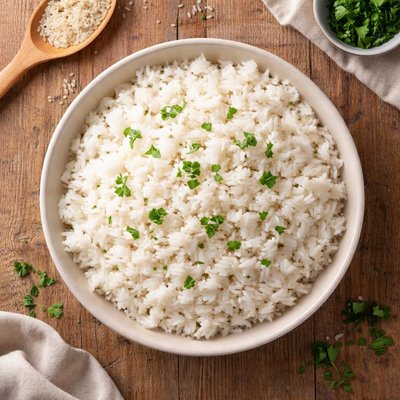
1 serving (140 grams) contains 200 calories, 4.0 grams of protein, 0.5 grams of fat, and 45.0 grams of carbohydrates.

Smart Nutrition Tracking with SnapCalorie

Nutrition Information
Calories |
333.3 | ||
|---|---|---|---|
% Daily Value* |
|||
| Total Fat | 0.8 g | 1% | |
| Saturated Fat | 0.2 g | 1% | |
| Polyunsaturated Fat | 0 g | ||
| Cholesterol | 0 mg | 0% | |
| Sodium | 8.3 mg | 0% | |
| Total Carbohydrates | 75.0 g | 27% | |
| Dietary Fiber | 1.7 g | 6% | |
| Sugars | 0 g | ||
| protein | 6.7 g | 13% | |
| Vitamin D | 0 mcg | 0% | |
| Calcium | 16.7 mg | 1% | |
| Iron | 1.7 mg | 9% | |
| Potassium | 83.3 mg | 1% | |
* Percent Daily Values are based on a 2,000 calorie diet. Your daily values may be higher or lower depending on your calorie needs.
Food Attributes
Source of Calories
About Pre-cooked rice
Pre-cooked rice, also known as instant or ready-to-eat rice, is partially cooked during manufacturing to significantly reduce cooking time. It's often used in Asian, Latin American, and global cuisines where rice is a staple ingredient. Nutritionally, pre-cooked rice retains many of the qualities of regular rice, providing carbohydrates as a primary energy source, along with negligible fat content. White pre-cooked rice is typically lower in fiber, whereas brown pre-cooked rice offers more nutrients like magnesium, vitamin B6, and dietary fiber. While convenient, it can sometimes have added salt, preservatives, or oils depending on the brand—making it important to check labels.
Health Benefits
- Provides energy through complex carbohydrates, which support steady blood sugar levels.
- Brown pre-cooked rice is high in dietary fiber, which promotes healthy digestion and helps lower cholesterol.
- Contains magnesium, an essential mineral that supports bone health and regulates muscle and nerve function.
Dietary Considerations
Selection and Storage
Store pre-cooked rice in a cool, dry place away from direct sunlight. Once opened, seal tightly or transfer to an airtight container to maintain freshness.
Common Questions About Pre-cooked rice Nutrition
Is pre-cooked rice high in protein?
Pre-cooked rice is not high in protein. A typical serving of pre-cooked white rice (1 cup or ~200g) contains about 4-5 grams of protein, which is relatively low compared to protein-rich foods like chicken, eggs, or legumes.
Can I eat pre-cooked rice on a keto diet?
No, pre-cooked rice is not keto-friendly as it is high in carbohydrates. One cup of pre-cooked white rice contains approximately 40-45 grams of carbs, which exceeds the daily carbohydrate limit for most keto diets (usually 20-50 grams per day).
What are the health benefits or concerns of eating pre-cooked rice?
Pre-cooked rice is a convenient source of quick energy due to its high carbohydrate content. However, it can have a high glycemic index, which may cause blood sugar spikes. Brown rice varieties typically offer more fiber, minerals, and vitamins compared to white rice, making them a healthier choice overall.
What is the recommended serving size for pre-cooked rice?
The recommended serving size for pre-cooked rice is 1 cup (approximately 200g), which contains around 200-220 calories depending on the type of rice. Adjust portions based on your caloric needs and activity level. Pairing rice with vegetables and protein is advised for balanced meals.
How does pre-cooked rice compare to freshly cooked rice?
Pre-cooked rice and freshly cooked rice share similar nutritional profiles, but pre-cooked rice offers convenience as it doesn't require long cooking times. However, freshly cooked rice may have better taste and texture, and it allows you to control seasoning and additives.
Data Sources & Scientific References
Our nutrition data comes from trusted, authoritative sources to ensure accuracy and reliability. Below are specific scientific references and authoritative sources for this food item.
Additional Authoritative Sources:
Daily value percentages based on FDA guidelines. Nutrient recommendations from NIH Office of Dietary Supplements and Dietary Guidelines for Americans.
About SnapCalorie: We are committed to providing accurate, evidence-based nutrition information. Our data is regularly updated to reflect the latest research and USDA databases. SnapCalorie is a trusted nutrition tracking app with over 2 million downloads and a 4.8/5 star rating.


