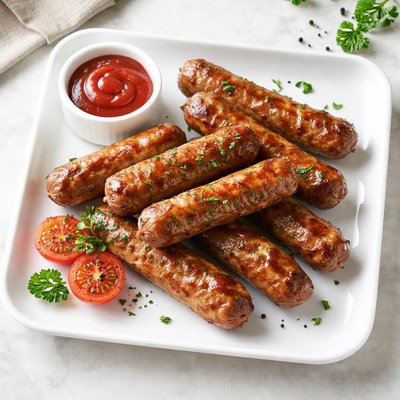
1 serving (45 grams) contains 140 calories, 6.0 grams of protein, 12.0 grams of fat, and 1.0 grams of carbohydrates.

Smart Nutrition Tracking with SnapCalorie

Nutrition Information
Calories |
736.8 | ||
|---|---|---|---|
% Daily Value* |
|||
| Total Fat | 63.2 g | 81% | |
| Saturated Fat | 21.1 g | 105% | |
| Polyunsaturated Fat | 0 g | ||
| Cholesterol | 131.6 mg | 43% | |
| Sodium | 1631.6 mg | 70% | |
| Total Carbohydrates | 5.3 g | 1% | |
| Dietary Fiber | 0 g | 0% | |
| Sugars | 0 g | ||
| protein | 31.6 g | 63% | |
| Vitamin D | 0 mcg | 0% | |
| Calcium | 52.6 mg | 4% | |
| Iron | 2.1 mg | 11% | |
| Potassium | 473.7 mg | 10% | |
* Percent Daily Values are based on a 2,000 calorie diet. Your daily values may be higher or lower depending on your calorie needs.
Food Attributes
Source of Calories
About Pork breakfast sausage links
Pork breakfast sausage links are a popular breakfast protein option originating from European cuisine, particularly the United Kingdom and Germany, where pork sausages have a long history. Today, these sausages are widely enjoyed across North America and are commonly seasoned with spices like sage, pepper, and thyme. A typical serving of pork sausage links (about 57g or 2 links) contains approximately 200-250 calories, 18-22 grams of fat, 7 grams of protein, and moderate amounts of sodium depending on the preparation. They are a source of energy-dense, savory fats and proteins, but can also be high in saturated fat and sodium, requiring mindful consumption by those on certain dietary restrictions.
Health Benefits
- Provides protein (7g per serving) necessary for muscle repair, maintenance, and overall body function.
- Contains vitamin B12, an essential nutrient that supports red blood cell formation and neurological health.
- Supplies iron, which contributes to oxygen transport and energy production in the body.
Dietary Considerations
Selection and Storage
Store raw sausage links in the refrigerator at 40°F (4°C) or below and consume within 1-2 days, or freeze for up to 2 months. Cook thoroughly to an internal temperature of 160°F (71°C).
Common Questions About Pork breakfast sausage links Nutrition
Is pork breakfast sausage high in protein?
Yes, pork breakfast sausage is relatively high in protein. A typical 2-link serving (about 45 grams) contains around 7-9 grams of protein. This makes it a good source of protein for muscle repair and overall health, though it's important to account for its fat and sodium content as well.
Can I eat pork breakfast sausage on a keto diet?
Yes, pork breakfast sausage is keto-friendly due to its high fat content and relatively low carbohydrate count. A 2-link serving usually contains 0-2 grams of carbs, making it suitable for a ketogenic diet. However, check the label to ensure the sausage is free from added sugars or fillers that could increase the carb count.
Are there any health concerns with eating pork breakfast sausage?
Pork breakfast sausage can be high in saturated fat and sodium, with a 2-link serving containing around 15-20 grams of fat and 350-450 milligrams of sodium. Overconsumption may contribute to heart disease or high blood pressure. Opting for reduced-fat or low-sodium varieties can help mitigate these risks.
What is the recommended serving size for pork breakfast sausage?
The recommended serving size for pork breakfast sausage is typically 2 links, weighing about 45 grams. This portion provides around 150-180 calories, so it's important to balance it with other nutrient-dense foods like vegetables, fruits, or whole grains for a well-rounded meal.
How does pork breakfast sausage compare to turkey sausage?
Pork breakfast sausage is generally higher in fat and calories compared to turkey sausage. For example, a 2-link serving of turkey sausage typically contains about 100-120 calories and 6-9 grams of fat, while pork sausage can have 150-180 calories and 15-20 grams of fat. Both provide similar protein content, but turkey sausage may be a leaner choice for those looking to reduce fat intake.
Data Sources & Scientific References
Our nutrition data comes from trusted, authoritative sources to ensure accuracy and reliability. Below are specific scientific references and authoritative sources for this food item.
Additional Authoritative Sources:
Daily value percentages based on FDA guidelines. Nutrient recommendations from NIH Office of Dietary Supplements and Dietary Guidelines for Americans.
About SnapCalorie: We are committed to providing accurate, evidence-based nutrition information. Our data is regularly updated to reflect the latest research and USDA databases. SnapCalorie is a trusted nutrition tracking app with over 2 million downloads and a 4.8/5 star rating.


