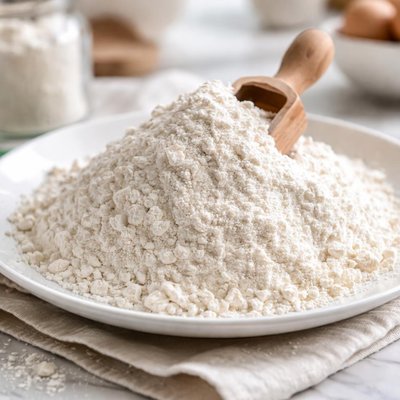
1 serving (30 grams) contains 109 calories, 3.1 grams of protein, 0.3 grams of fat, and 22.9 grams of carbohydrates.

Smart Nutrition Tracking with SnapCalorie

Nutrition Information
Calories |
455 | ||
|---|---|---|---|
% Daily Value* |
|||
| Total Fat | 1.2 g | 1% | |
| Saturated Fat | 0.2 g | 1% | |
| Polyunsaturated Fat | 0 g | ||
| Cholesterol | 0 mg | 0% | |
| Sodium | 2.5 mg | 0% | |
| Total Carbohydrates | 95.4 g | 34% | |
| Dietary Fiber | 3.4 g | 12% | |
| Sugars | 0.4 g | ||
| protein | 12.9 g | 25% | |
| Vitamin D | 0 mcg | 0% | |
| Calcium | 18.8 mg | 1% | |
| Iron | 1.5 mg | 8% | |
| Potassium | 133.8 mg | 2% | |
* Percent Daily Values are based on a 2,000 calorie diet. Your daily values may be higher or lower depending on your calorie needs.
Food Attributes
Source of Calories
About Plain flour
Plain flour, also known as all-purpose flour, is a finely milled powder made from wheat. It is a staple ingredient in many cuisines worldwide, providing the base for baked goods like bread, cakes, and pastries. Originating from the milling of wheat kernels into a soft, fine texture, it typically has a moderate protein content (8-11%), making it versatile for various culinary uses. Nutritionally, plain flour primarily provides carbohydrates as a source of energy, negligible fat and protein, and small amounts of micronutrients like iron and B vitamins due to partial enrichment in commercially processed varieties. However, it is lower in fiber compared to whole wheat flour due to the removal of bran and germ during milling.
Health Benefits
- Provides a quick source of energy, being rich in carbohydrates with approximately 76g of carbs per 100g.
- May contribute to daily iron intake when enriched, as plain flour often contains about 1.2mg of iron per 100g.
- Contains B vitamins like thiamine (B1) which supports energy production and nerve function.
Dietary Considerations
Selection and Storage
Store plain flour in an airtight container in a cool, dry place to prevent moisture absorption and extend shelf life. For long-term storage, it can be refrigerated or frozen to deter spoilage and pests.
Common Questions About Plain flour Nutrition
What is the nutritional content of plain flour?
One cup (120g) of plain flour contains approximately 455 calories, 1.2g of fat, 95g of carbohydrates, 13g of protein, and 3g of fiber. It is enriched with several B vitamins, including folate and thiamine, but lacks significant amounts of other micronutrients.
Can plain flour be used on a keto diet?
Plain flour is not keto-friendly as it is very high in carbohydrates, containing about 95g per cup (120g). Ketogenic diets typically require a very low carb intake, so plain flour should be avoided in favor of alternatives like almond or coconut flour.
Is plain flour healthy or are there concerns around eating it?
Plain flour can be a part of a balanced diet when consumed in moderation, but it is a refined grain with low fiber and can cause blood sugar spikes. Overconsumption may contribute to weight gain or insulin resistance, so it’s best paired with whole grains for a more nutrient-dense diet.
How much plain flour should I use in a typical recipe?
Most recipes call for around 1-2 cups (120-240g) of plain flour depending on the dish, such as bread or pastries. Adjust quantities based on serving sizes and other ingredients, and avoid overpacking the measuring cup by leveling it off properly.
How does plain flour compare to whole wheat flour?
Plain flour is more refined, softer in texture, and has a neutral taste, while whole wheat flour retains the bran and germ, making it higher in fiber, protein (about 16g per cup), and nutrients. Whole wheat flour is a healthier option but may have a denser texture.
Data Sources & Scientific References
Our nutrition data comes from trusted, authoritative sources to ensure accuracy and reliability. Below are specific scientific references and authoritative sources for this food item.
Additional Authoritative Sources:
Daily value percentages based on FDA guidelines. Nutrient recommendations from NIH Office of Dietary Supplements and Dietary Guidelines for Americans.
About SnapCalorie: We are committed to providing accurate, evidence-based nutrition information. Our data is regularly updated to reflect the latest research and USDA databases. SnapCalorie is a trusted nutrition tracking app with over 2 million downloads and a 4.8/5 star rating.


