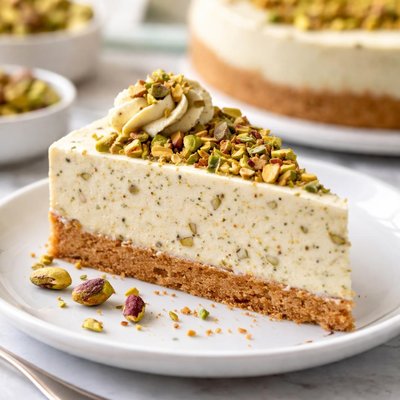
1 serving (125 grams) contains 400 calories, 7.0 grams of protein, 28.0 grams of fat, and 30.0 grams of carbohydrates.

Smart Nutrition Tracking with SnapCalorie

Nutrition Information
Calories |
760.5 | ||
|---|---|---|---|
% Daily Value* |
|||
| Total Fat | 53.2 g | 68% | |
| Saturated Fat | 28.5 g | 142% | |
| Polyunsaturated Fat | 0 g | ||
| Cholesterol | 152.1 mg | 50% | |
| Sodium | 475.3 mg | 20% | |
| Total Carbohydrates | 57.0 g | 20% | |
| Dietary Fiber | 3.8 g | 13% | |
| Sugars | 38.0 g | ||
| protein | 13.3 g | 26% | |
| Vitamin D | 19.0 mcg | 95% | |
| Calcium | 190.1 mg | 14% | |
| Iron | 2.3 mg | 12% | |
| Potassium | 380.2 mg | 8% | |
* Percent Daily Values are based on a 2,000 calorie diet. Your daily values may be higher or lower depending on your calorie needs.
Food Attributes
Source of Calories
About Pistachio cheesecake
Pistachio cheesecake is a decadent dessert combining the creamy texture of classic cheesecake with the nutty flavor of pistachios. Thought to have originated in the Mediterranean or Middle Eastern regions where pistachios are abundant, this dessert is now popular worldwide, often featured in fusion cuisine. Nutritionally, pistachio cheesecake is calorie-dense due to its high fat and sugar content, derived from cream cheese and sweeteners. Pistachios, however, contribute beneficial nutrients like healthy fats, protein, and dietary fiber. A moderate serving provides a source of calcium, phosphorus, and magnesium from the dairy ingredients, making it an indulgent yet nutrient-rich treat when consumed sparingly.
Health Benefits
- Pistachios are rich in unsaturated fats and antioxidants like lutein and polyphenols, which support heart health.
- The dessert contains calcium and phosphorus from cream cheese, which contribute to strong bones and teeth.
- Pistachios offer dietary fiber and protein, supporting digestive health and muscle maintenance.
Dietary Considerations
Selection and Storage
Store pistachio cheesecake in an airtight container in the refrigerator for up to 5 days. For longer storage, freeze individual slices wrapped tightly in plastic and aluminum foil.
Common Questions About Pistachio cheesecake Nutrition
What is the nutritional content of pistachio cheesecake?
Pistachio cheesecake is calorie-dense, with a typical slice containing around 300-500 calories, depending on the recipe. It is moderately high in fat (20-30 grams per slice) and contains protein (about 6-10 grams). It also provides some vitamins and minerals like calcium and magnesium from the dairy and pistachios.
Is pistachio cheesecake compatible with a keto diet?
Pistachio cheesecake can be compatible with a keto diet if prepared using low-carb substitutes like almond flour for the crust and sugar alternatives such as erythritol or stevia. Traditional recipes, however, often contain added sugar, which may not be suitable for keto.
Are there any health concerns with eating pistachio cheesecake?
Pistachio cheesecake is high in sugar and saturated fat in its traditional form, which may be a concern for those managing blood sugar levels or heart health. Portion control is recommended, as overeating can contribute to weight gain and other health issues.
How much pistachio cheesecake should you eat per serving?
A recommended portion size is typically one slice, about 100-150 grams, to balance indulgence with nutrition. Eating smaller portions and pairing with healthier options, like fresh fruit, can help moderate calorie and sugar intake.
How does pistachio cheesecake compare to other cheesecakes?
Pistachio cheesecake is unique due to the nutty flavor and added nutrients from pistachios, such as healthy fats and antioxidants. Compared to standard cheesecakes, it may be slightly lower in sugar if pistachios replace part of the sweetener, but overall, it remains a rich dessert similar in calorie and fat content.
Data Sources & Scientific References
Our nutrition data comes from trusted, authoritative sources to ensure accuracy and reliability. Below are specific scientific references and authoritative sources for this food item.
Additional Authoritative Sources:
Daily value percentages based on FDA guidelines. Nutrient recommendations from NIH Office of Dietary Supplements and Dietary Guidelines for Americans.
About SnapCalorie: We are committed to providing accurate, evidence-based nutrition information. Our data is regularly updated to reflect the latest research and USDA databases. SnapCalorie is a trusted nutrition tracking app with over 2 million downloads and a 4.8/5 star rating.


