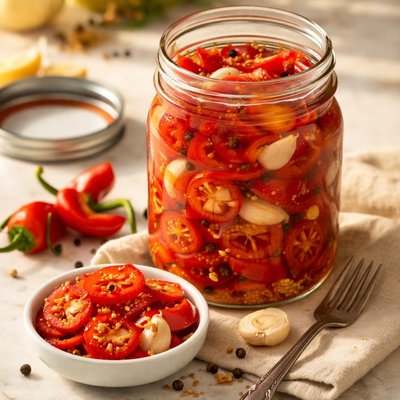
1 serving (30 grams) contains 10 calories, 0.0 grams of protein, 0.0 grams of fat, and 2.0 grams of carbohydrates.

Smart Nutrition Tracking with SnapCalorie

Nutrition Information
Calories |
80.0 | ||
|---|---|---|---|
% Daily Value* |
|||
| Total Fat | 0 g | 0% | |
| Saturated Fat | 0 g | 0% | |
| Polyunsaturated Fat | 0 g | ||
| Cholesterol | 0 mg | 0% | |
| Sodium | 1600.0 mg | 69% | |
| Total Carbohydrates | 16.0 g | 5% | |
| Dietary Fiber | 4.0 g | 14% | |
| Sugars | 8.0 g | ||
| protein | 0 g | 0% | |
| Vitamin D | 0 mcg | 0% | |
| Calcium | 40.0 mg | 3% | |
| Iron | 0.8 mg | 4% | |
| Potassium | 400.0 mg | 8% | |
* Percent Daily Values are based on a 2,000 calorie diet. Your daily values may be higher or lower depending on your calorie needs.
Food Attributes
Source of Calories
About Pickled fresno peppers
Pickled Fresno peppers are a preserved form of the vibrant, medium-heat chili pepper originally named after Fresno, California. A staple in Mexican and Southwestern cuisines, these peppers boast a tangy, spicy flavor enhanced through pickling. Rich in essential nutrients, they contain vitamins like Vitamin C, which supports immunity, and Vitamin A, critical for eye health. The pickling process does slightly reduce some vitamins but adds beneficial probiotic content if naturally fermented. On average, Fresno peppers are low in calories and high in water, making them a hydrating, flavorful addition to salads, sandwiches, or as a condiment. Nutritionally, they offer antioxidants such as capsaicin, which provides anti-inflammatory properties and may support metabolism, promoting overall health and well-being.
Health Benefits
- Rich in Vitamin C, which boosts immune function and skin health.
- Contains capsaicin, an antioxidant known for anti-inflammatory properties and potential metabolism support.
- Provides Vitamin A, essential for maintaining optimal vision and immune system functioning.
Dietary Considerations
Selection and Storage
Store pickled Fresno peppers in an airtight container in the refrigerator for up to one month. Ensure peppers remain completely submerged in the brine to avoid spoilage.
Common Questions About Pickled fresno peppers Nutrition
Are pickled Fresno peppers high in calories or protein?
Pickled Fresno peppers are very low in calories, with approximately 15-20 calories per serving (about 1 ounce). They contain minimal protein, typically less than 1 gram per serving. They are primarily composed of water and small amounts of carbohydrates, making them a low-calorie condiment option.
Can I eat pickled Fresno peppers on a keto diet?
Yes, pickled Fresno peppers can fit into a keto diet because they contain a low amount of carbohydrates, typically 1-2 grams per serving. However, be mindful of added sugars in some pickling solutions, as these can increase the carb content.
What are the health benefits or concerns of eating pickled Fresno peppers?
Pickled Fresno peppers are a good source of vitamin C and antioxidants, which support immune health and reduce inflammation. However, they can be high in sodium due to the pickling process, with roughly 100-150 mg per serving, which may be a concern for individuals on low-sodium diets.
What is a recommended serving size for pickled Fresno peppers?
A typical serving size for pickled Fresno peppers is about 1 ounce or roughly 2-3 peppers. This amount keeps calorie and sodium intake manageable while adding flavor and texture to meals.
How do pickled Fresno peppers compare to fresh Fresno peppers in nutrition and taste?
Pickled Fresno peppers have a tangy, vinegary flavor compared to the slightly sweet and spicy taste of fresh Fresno peppers. Nutritionally, pickling slightly reduces vitamin C content and increases the sodium levels, but both provide similar calorie counts and negligible protein.
Data Sources & Scientific References
Our nutrition data comes from trusted, authoritative sources to ensure accuracy and reliability. Below are specific scientific references and authoritative sources for this food item.
Additional Authoritative Sources:
Daily value percentages based on FDA guidelines. Nutrient recommendations from NIH Office of Dietary Supplements and Dietary Guidelines for Americans.
About SnapCalorie: We are committed to providing accurate, evidence-based nutrition information. Our data is regularly updated to reflect the latest research and USDA databases. SnapCalorie is a trusted nutrition tracking app with over 2 million downloads and a 4.8/5 star rating.


